Emotional Triggers: Shock, Awe, and Viral Content
Human beings love to believe we make rational, calculated decisions. We weigh the pros and cons, analyze the data, and choose the most logical path. Yet, decades of psychological and neurological research tell a different story. Beneath our veneer of logic lies a powerful emotional core that drives the vast majority of our choices, opinions, and shares.

Among the panoply of human feelings, high-arousal emotions hold a distinct power. When creators, marketers, and communicators want to capture immediate attention, they often rely on specific emotional triggers (shock, awe, and surprise being the most potent) to break through the endless noise of the modern digital landscape. Understanding how these triggers work is essential for anyone looking to understand human behavior.
The Neuroscience of High-Arousal Triggers
To understand why certain stimuli grab our attention instantly, we have to look inside the brain. The amygdala, our emotional processing center, acts as an alarm system. It scans our environment for potential threats, novel experiences, and significant changes much faster than the prefrontal cortex can process logical information.
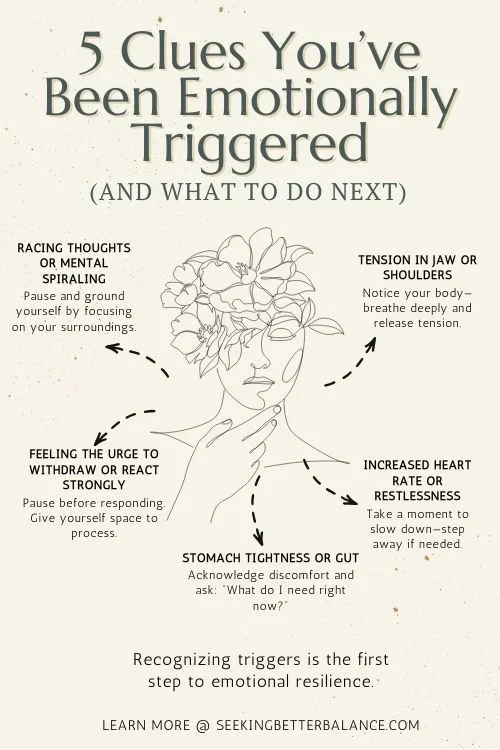
When an unexpected stimulus enters our awareness, the brain releases a cocktail of neurochemicals, including adrenaline and cortisol. This reaction prepares the body for immediate action—the classic fight-or-flight response. In a modern context, this physiological arousal translates into heightened focus, rapid heart rates, and an irresistible urge to engage with, comment on, or share the source of the stimulus.
High-Arousal vs. Low-Arousal Emotions
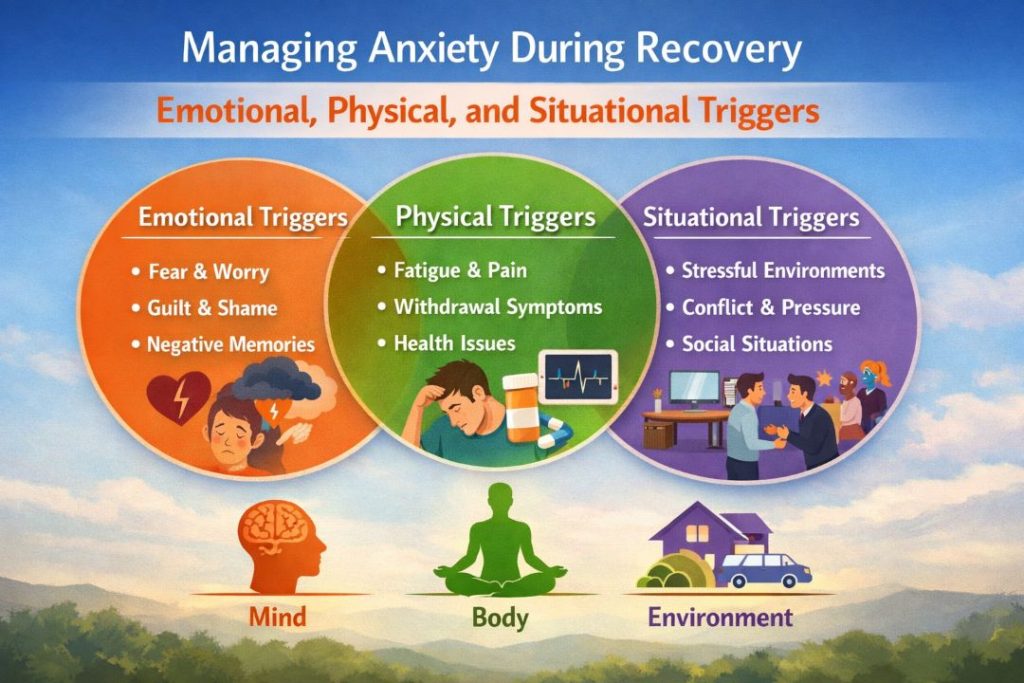
Not all feelings are created equal when it comes to capturing attention. Psychologists categorize emotional states along two axes: valence (positive vs. negative) and arousal (high vs. low).
- High-Arousal Positive: Awe, excitement, amusement. These feelings expand our worldview and compel us to share uplifting stories.
- High-Arousal Negative: Anger, anxiety, and shock. These feelings narrow our focus and compel us to seek safety, answers, or community validation.
- Low-Arousal: Contentment, sadness, or boredom. While deeply felt, these emotions generally decrease immediate action and sharing behavior.
Shock sits firmly in the high-arousal negative or neutral category. It temporarily freezes cognitive function, forcing the brain to reset its expectations and make sense of an anomaly.
How Shock Alters Perception and Memory
Shock is defined as a sudden, unexpected, and often jarring experience that disrupts our mental models of how the world works. When reality dramatically violates our expectations, several psychological phenomena occur.
The Von Restorff Effect
Also known as the isolation effect, this cognitive bias dictates that an item that stands out like a sore thumb is more likely to be remembered than other items. In a sea of predictable marketing messages or social media posts, a shocking statistic, an unexpected visual, or a radical viewpoint pierces the clutter. The brain flags this anomaly as critical data, committing it to memory much faster than routine information.
The Illusion of Truth
Video: How to practice emotional first aid | Guy Winch | TED

When people experience high emotional arousal, their critical thinking faculties can be temporarily sidelined. Shocked individuals are often less likely to fact-check information in the immediate aftermath of the event. This vulnerability makes shock a powerful—and sometimes dangerous—tool for persuasion. When the brain is startled, it scrambles to restore order, often grasping for the first coherent narrative available.
Ethical Applications in Communication and Marketing
Because shock is such a potent psychological lever, it has been used for decades across journalism, advertising, and advocacy. However, wielding this tool requires a delicate balance. Overuse leads to emotional fatigue, skepticism, and audience churn.
1. Pushing for Social Change
Non-profit organizations frequently use shocking imagery or statistics to jolt complacency. Campaigns highlighting the realities of climate change, drunk driving, or animal abuse rely on the shock trigger to force audiences to confront uncomfortable truths they might otherwise ignore.
2. Breaking Through Industry Noise
In branding and advertising, a surprising or slightly shocking premise can completely redefine how a product is perceived. By challenging conventional industry wisdom, challenger brands capture outsized market attention with a fraction of the advertising budget of legacy competitors.
3. Educational Content and Curiosity Gaps
In education and content creation, shocking facts serve as powerful hooks. Starting an essay or video with a counterintuitive reality immediately resets the audience's attention, priming them to learn the "why" behind the anomaly.
The Dark Side: Outrage Fatigue and Diminishing Returns
While leveraging emotional triggers yields short-term engagement spikes, relying too heavily on shock carries heavy long-term costs. Audiences possess a remarkable capacity to adapt.
- Sensory Adaptation: Just as your eyes adjust to a dark room, human emotional thresholds adapt to constant stimuli. Content that felt shocking five years ago might barely register today.
- The Boy Who Cried Wolf Effect: If a brand or creator constantly uses exaggerated, shocking claims that fail to deliver genuine value, the audience loses trust. Skepticism replaces surprise.
- Emotional Exhaustion: Continuous exposure to high-arousal negative triggers leaves audiences anxious, cynical, and fatigued. Many consumers actively mute or unsubscribe from sources that rely on constant outrage.
Conclusion
Emotional triggers are the invisible architecture of human interaction. Among them, shock remains one of the most powerful mechanisms for seizing attention, disrupting routines, and accelerating memory formation. Whether used to spark important social conversations, market a groundbreaking product, or educate an audience, understanding the science behind high-arousal states helps us navigate the modern information ecosystem with greater awareness, critical thinking, and empathy.