Entergy Pension Plan: Benefits & Payout Guide
For thousands of current and former utility workers across Arkansas, Louisiana, Mississippi, and Texas, the entergy pension plan serves as a foundational pillar of post-career financial security. While many private-sector corporations have entirely phased out defined benefit pensions in favor of 401(k) plans, Entergy has continued to maintain retirement pension structures for its eligible workforce.
However, navigating the rules, formulas, and distribution strategies associated with an Entergy retirement is not always straightforward. Depending on your hire date, collective bargaining status, and years of service, your benefit could take dramatically different shapes. This guide breaks down how the plan works, how benefits are determined, and the crucial decisions you must make before claiming your pension.
Understanding the Entergy Pension Plan Benefit Formulas
The Entergy Corporation Retirement Plan is structured to reward long-term service, but the mechanism used to calculate your benefit depends primarily on when you joined the company and whether your position is union-represented or non-bargaining.
1. The Traditional Final Average Pay (FAP) Formula
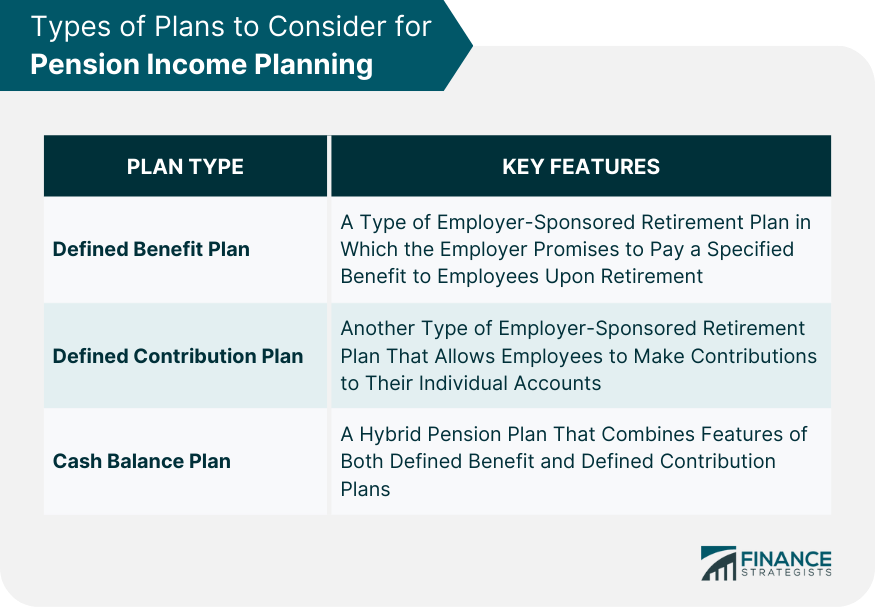
Longer-tenured employees—typically those hired before specific plan transition dates (often pre-July 2014 for non-bargaining personnel, though exact cutoffs vary by union agreements)—are generally covered under a traditional Final Average Pay formula. This formula focuses on three variables:
- Service Years: The total number of credited years and months you have worked at Entergy.
- Final Average Earnings (FAE): An average of your highest consecutive months of base salary and eligible incentive compensation (often calculated across a 36- or 60-month window).
- Benefit Multiplier: A percentage factor negotiated into the plan document (typically between 1.0% and 1.5% per year of service, sometimes integrated with Social Security covered compensation).
Under this structure, a worker with 30 years of service and high final earnings receives a guaranteed, predictable monthly payment for life.
2. The Cash Balance Formula
Employees hired after the legacy plan cutoffs generally participate in the Cash Balance formula. Rather than promising a lifetime monthly check based purely on final earnings, a cash balance plan defines your benefit in terms of a hypothetical account balance.
Each year, Entergy credits your account with:
- Pay Credits: A percentage of your annual compensation (usually graduated based on age and service points, ranging anywhere from 3% to 8% or more).
- Interest Credits: An annual interest rate applied to your accumulated balance, often benchmarked against external markers such as the 30-year U.S. Treasury rate or a statutory minimum floor.
When you reach retirement, your cash balance total can be taken as a single lump-sum payout or converted into an actuarially equivalent monthly annuity.
Vesting and Retirement Eligibility Rules
You cannot collect benefits until you earn a non-forfeitable right to them. Understanding the vesting calendar and age thresholds ensures you avoid leaving earned money behind.
Vesting Schedule
Most participants in the Entergy pension plan become 100% vested after completing three or five years of vesting service, depending on whether their benefit falls under cash balance or traditional provisions. If you leave the company before reaching full vesting, you forfeit company-provided pension credits.
Retirement Milestones
- Normal Retirement Age: Typically age 65. Reaching this milestone allows you to access unreduced pension benefits regardless of your total years of service (provided you are vested).
- Early Retirement: Under traditional formulas, participants can often retire as early as age 55 with at least 10 years of service. However, taking benefits prior to the plan’s unreduced threshold triggers an early retirement reduction factor, permanently lowering your monthly check to account for a longer payout window.
- Special Early Retirement Provisions: Certain operational or union groups may have access to "Rule of 85" or "Rule of 80" provisions, where an employee whose combined age and service equal the required number can retire early without facing benefit penalties.
Distribution Options: Monthly Annuity vs. Lump Sum
Video: Entergy CEO: We produce steady predictable returns, but they have been a lot higher than in the past
When you initiate your retirement process through the Entergy Benefits Center, you face one of the most critical financial decisions of your life: choosing how to receive your funds.

Single Life Annuity
A Single Life Annuity provides the highest possible monthly payment for the duration of your life. The critical trade-off is that payments cease entirely upon your death, leaving no continuing pension income for a surviving spouse or dependent.
Joint and Survivor Annuities
If you are married, federal law requires that the default distribution include survivor protection unless your spouse explicitly waives it in writing. Entergy offers several Joint and Survivor options:
- 50% Joint & Survivor: Your spouse receives 50% of your benefit amount after your death.
- 75% Joint & Survivor: Provides a moderate compromise, keeping three-quarters of the benefit alive for the survivor.
- 100% Joint & Survivor: The monthly payment remains unchanged after your death, paying your spouse the exact same amount for the remainder of their lifetime.
Because the plan expects to pay out across two lifespans, the initial monthly check is actuarially reduced compared to the Single Life Annuity.
Lump-Sum Distribution
Depending on your plan formula and employee classification, Entergy may offer the option to take the present actuarial value of your pension as a one-time lump-sum cash distribution. This payout can be rolled over directly into a Traditional Individual Retirement Account (IRA) without triggering immediate income tax.
Why take the lump sum? It gives you complete control over your investments, creates a potential inheritance for non-spousal heirs, and removes the risk of long-term corporate credit changes.
Why take the annuity? It provides longevity risk protection—guaranteeing that you cannot outlive your income regardless of how stock and bond markets perform.
How Interest Rates Impact Lump-Sum Calculations
If you are eligible for a lump sum under a traditional or transition formula, changes in national interest rates directly influence your payout size. Defined benefit plans use corporate bond segment rates established under the Internal Revenue Code (PPA segment rates) to calculate the present value of future annuity payments.
The math works inversely:
- When interest rates rise: The lump-sum value of your pension decreases, because fewer present-day dollars are theoretically required to generate the future income stream.
- When interest rates drop: Lump-sum payouts increase significantly.
Because Entergy updates its discount rate assumptions on scheduled dates (often once per calendar year), planning your exact retirement month around interest rate lookback periods can mean a difference of tens of thousands of dollars.
Integrating Your Pension with Other Entergy Benefits
Your pension does not operate in a vacuum. A successful retirement plan coordinates your defined benefit check with other parts of the Entergy compensation package:
- The Entergy Savings Plan (401k): Entergy matches employee contributions up to set plan limits. While your pension covers baseline living expenses, your 401(k) provides supplemental growth, discretionary spending, and emergency liquidity.
- Retiree Healthcare: Health insurance coverage prior to Medicare eligibility (age 65) is often the largest expense utility retirees encounter. Determine whether you qualify for company-subsidized retiree medical benefits, an Access-Only plan, or a Health Reimbursement Arrangement (HRA).
- Social Security: Because Entergy participates in the standard Social Security system, coordinating your pension claiming age with your Social Security claiming strategy can maximize tax efficiency and lifetime income.
Next Steps: Preparing to Exit Entergy
If you are within two years of retirement, take proactive control of your paperwork. Begin by logging into your Entergy benefits portal or contacting the Entergy Employee Service Center to request official pension estimates under various retirement date scenarios.
Review your credited service history carefully to ensure all active years, approved leaves, and military services are documented accurately. Finally, consult with an independent fee-only financial planner who understands utility company pension structures to evaluate the annuity versus lump-sum trade-off based on your family’s unique tax position, health history, and financial goals.