Ergo 360 Newborn Guide: Safe Carrying Without an Insert
Can You Use the Ergo 360 for a Newborn?

Preparing for a new baby involves gathering a mountain of gear, and finding a reliable baby carrier is high on the priority list for most parents. If you are eyeing the popular Ergobaby brand, you might be wondering about the rules for using an ergo 360 newborn setup. The short answer is yes, you can use the Ergo 360 with a newborn, but there are crucial weight, height, and structural requirements you need to know to ensure your baby's safety.
Unlike older versions of the Ergo carrier that required a bulky infant insert pillow, newer iterations and specific models of the Ergo 360 are designed to adjust to smaller babies. However, using it correctly from day one requires paying close attention to your baby's development, airway clearance, and hip positioning.
Understanding the Ergo 360 Weight Limits and Newborns
Safety is the number one concern when carrying a fragile infant. Before putting your baby into the carrier, you must verify that they meet the manufacturer's minimum specifications.
Minimum Weight and Height Requirements
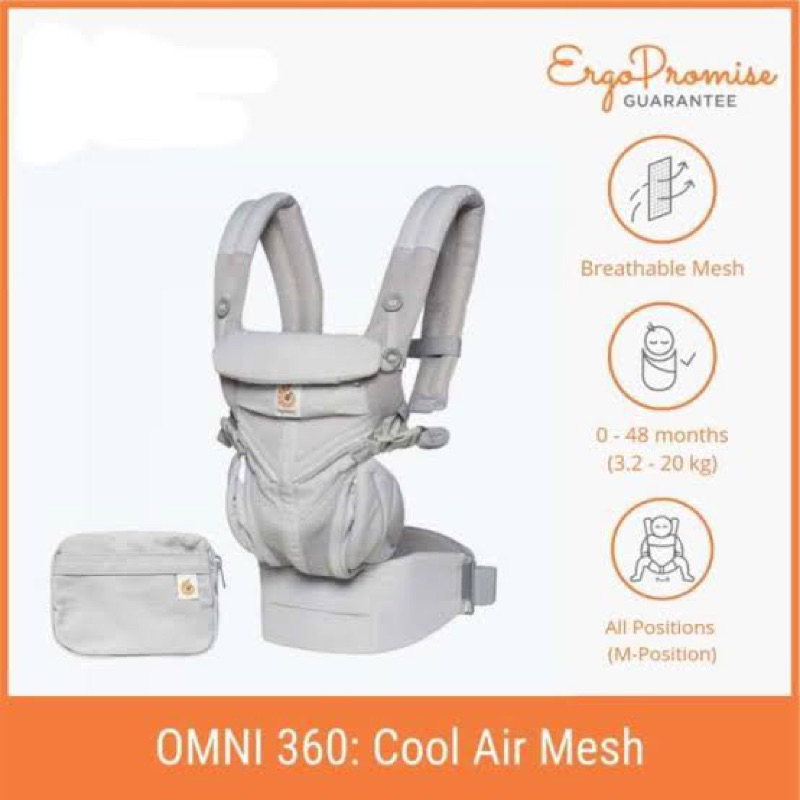
The standard Ergo 360 carrier is designed to hold babies starting at 7 pounds (3.2 kg) and up to 45 pounds. If your baby is born full-term and weighs at least 7 pounds, they technically meet the minimum weight requirement for the carrier.
However, weight is not the only metric that matters. Your baby must also be able to fit comfortably within the panel of the carrier without being swallowed by the fabric, and their airway must remain completely unobstructed at all times. If you have a premature baby or an infant weighing under 7 pounds, you will need to wait until they gain enough weight or use a specialized wrap or newborn-specific carrier.
The Role of the Infant Insert
Historically, Ergobaby required an infant insert pillow to boost smaller babies up to a safe kissing height and to narrow the base of the carrier. Newer generations of the Ergo 360 (such as the Omni 360 or updated 360 Cool Air Mesh models) feature adjustable Velcro tabs on the waistband that narrow the seat width, eliminating the need for a separate infant insert.
Check your specific model's manual. If you have an older classic Ergo 360 that lacks the adjustable seat tabs, you will still need the original Ergobaby infant insert to safely carry a newborn.
Step-by-Step: Setting Up the Ergo 360 for a Newborn
Achieving the correct ergonomic position is vital for your baby's developing spine and hips. Follow these steps to set up your carrier for a newborn:
- Adjust the Waistband Seat Width: If your model features adjustable seat settings, narrow the seat using the inner Velcro settings to match the width of your baby's thighs (knee-to-knee support).
- Position the Waistband: Fasten the safety buckle securely around your natural waist or slightly higher. For a newborn, wearing the waistband a bit higher ensures the baby sits close enough to kiss.
- Attach the Back Buckle: Connect the shoulder straps behind your back and tighten them so the straps do not slip off your shoulders.
- Place the Baby Inward-Facing: Newborns must always face inward toward your chest. Never face a newborn outward. Gently lower the baby into the seat, ensuring their legs are straddling the narrow base.
- Check the M-Position: Adjust the baby's legs so their knees are slightly higher than their bottom, forming an "M" shape. This supports healthy hip development.
- Secure the Head and Neck Support: Button or snap the head support panel up to support the back of the baby's head, making sure the top of the panel does not rise above their ears.
Crucial Newborn Safety Rules

When practicing newborn babywearing, always keep the T.I.C.K.S. rule in mind to prevent positional asphyxiation and other hazards:
- Tight: The carrier should be snug against your body to prevent the baby from slumping.
- In view at all times: You should be able to glance down and see your baby's face easily.
- Close enough to kiss: The top of your baby's head should be just under your chin, within easy kissing distance.
- Keep chin off the chest: Ensure there is at least a finger-width of space under your baby's chin to keep their airway open.
- Supported back: The carrier should support the natural C-curve of a newborn's spine.
Pros and Cons of Using the Ergo 360 for Tiny Infants
While the Ergo 360 is a versatile, long-lasting carrier, it has distinct advantages and disadvantages when used during the newborn stage.
The Advantages
Durability: You only need to buy one carrier that transitions from the newborn phase all the way through toddlerhood.
Ergonomics: It promotes healthy hip dysplasia prevention with proper seat positioning.
Comfort for Parents: The padded waistband and shoulder straps distribute weight evenly across your back and hips.
The Drawbacks
Bulkiness: Compared to a soft fabric stretchy wrap, the structured Ergo 360 can feel heavy and warm for a tiny newborn.
Strict Minimums: Underweight or preemie babies cannot use it right away.
Learning Curve: Adjusting the buckles and straps can feel intimidating for first-time parents.
Conclusion
Using an ergo 360 newborn setup is entirely possible as long as your baby weighs at least 7 pounds and you adjust the carrier for a secure, inward-facing position. Always prioritize your baby's airway, ensure their hips are supported in an "M" shape, and check your specific carrier model's manual to see if you need an infant insert. With the right adjustments, babywearing can become your favorite tool for bonding and soothing your new baby.