Escobar's Shadow: How El Chapo Inherited the Legacy
Introduction
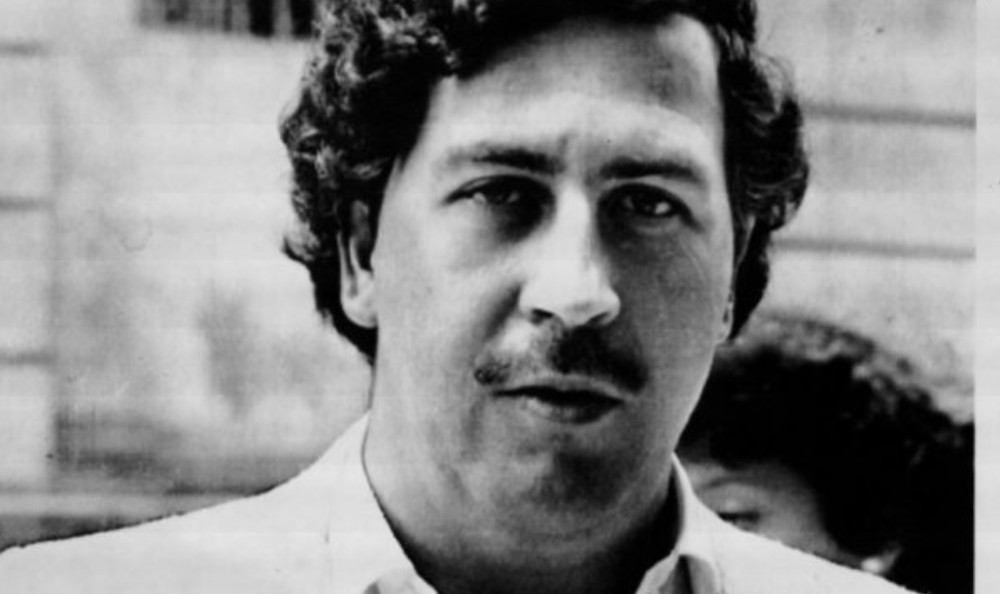
Decades after his death on a Medellin rooftop, the notorious Colombian drug lord continues to cast a long, dark shadow over international law enforcement and criminal syndicates alike. Indeed, Pablo Escobar’s shadow stretches farther than myth: El Chapo stepped into his legacy, inheriting not just smuggling routes, but a blueprint for global illicit enterprise. While Escobar popularized narco-terrorism and vertical integration in the 1980s, Joaquín "El Chapo" Guzmán and modern kingpins modernized these tactics, proving that criminal empires evolve rather than vanish.
The Blueprint of Narco-Empire Building
To understand how modern cartels operate, one must examine the foundational strategies pioneered by the Medellín Cartel. Escobar did not merely traffic cocaine; he industrialized it. By controlling the entire supply chain—from coca paste acquisition in Peru and Bolivia to laboratory processing in Colombia and distribution networks in the United States—he maximized profit margins and established absolute dominance.
Key elements of this original blueprint included:
- Vertical Integration: Owning production, transportation, and wholesale distribution channels.
- State Penetration: Using vast financial resources to bribe politicians, judges, and law enforcement ("plata o plomo" or silver or lead).
- Public Relations and Populism: Funding housing projects, soccer fields, and community infrastructure to build a base of loyal citizens who shielded traffickers from authorities.
When Escobar fell in 1993, many experts mistakenly believed the apex era of the drug trade had ended. Instead, the power vacuum created an opportunity for emerging syndicates, particularly in Mexico, to adopt and refine these very same principles.
How El Chapo Stepped Into His Legacy
Joaquín Guzmán Loera began his career working under Guadalajara Cartel leaders like Miguel Ángel Félix Gallardo, who maintained close ties with Colombian traffickers including Escobar. As the Colombian cartels fractured under pressure from US and local forces, Mexican organizations stepped in to handle the bulk of the cocaine moving north.
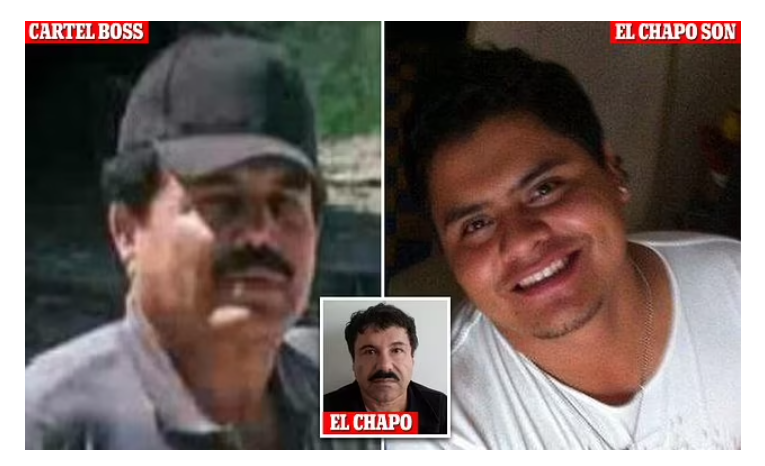
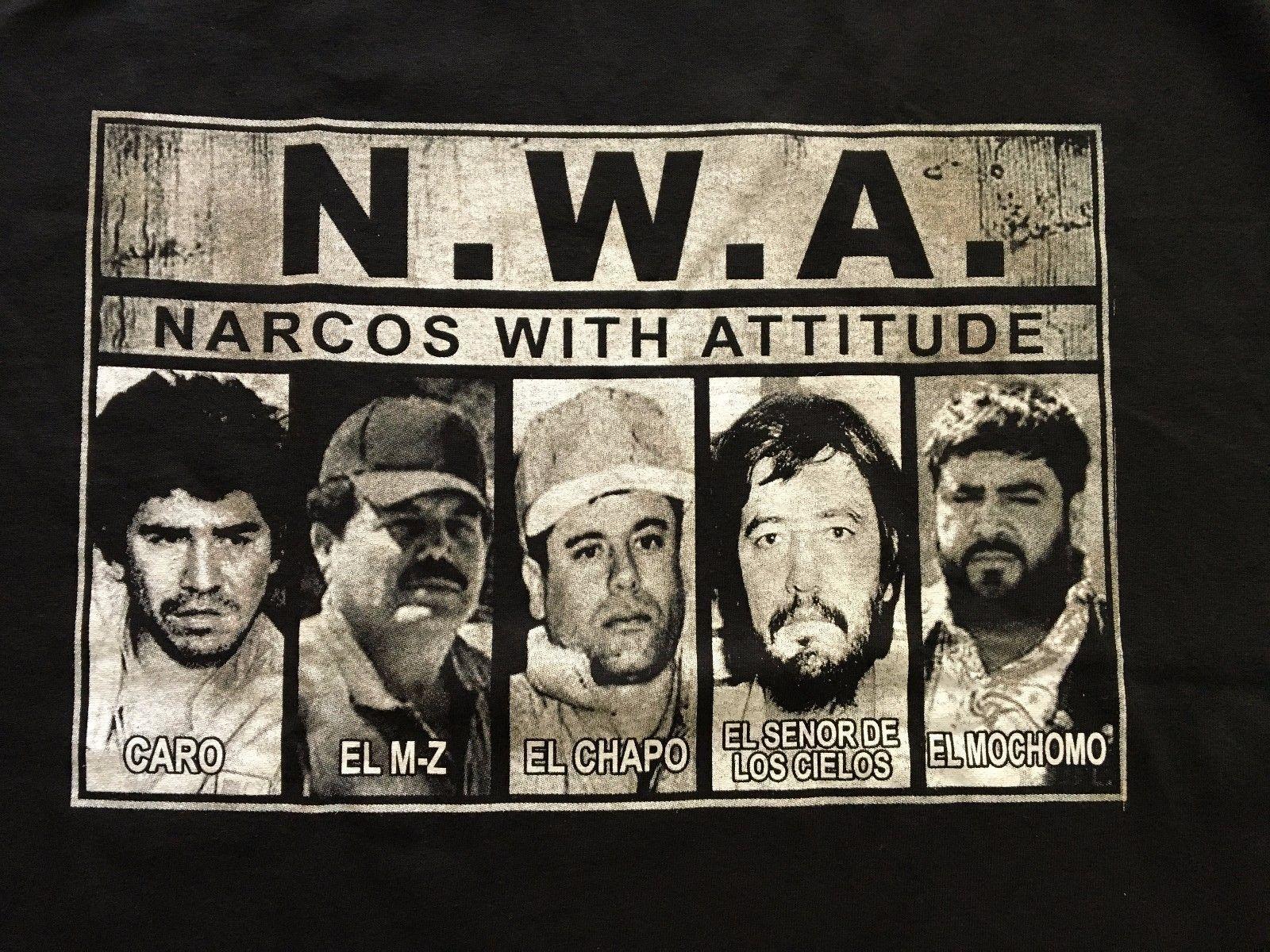
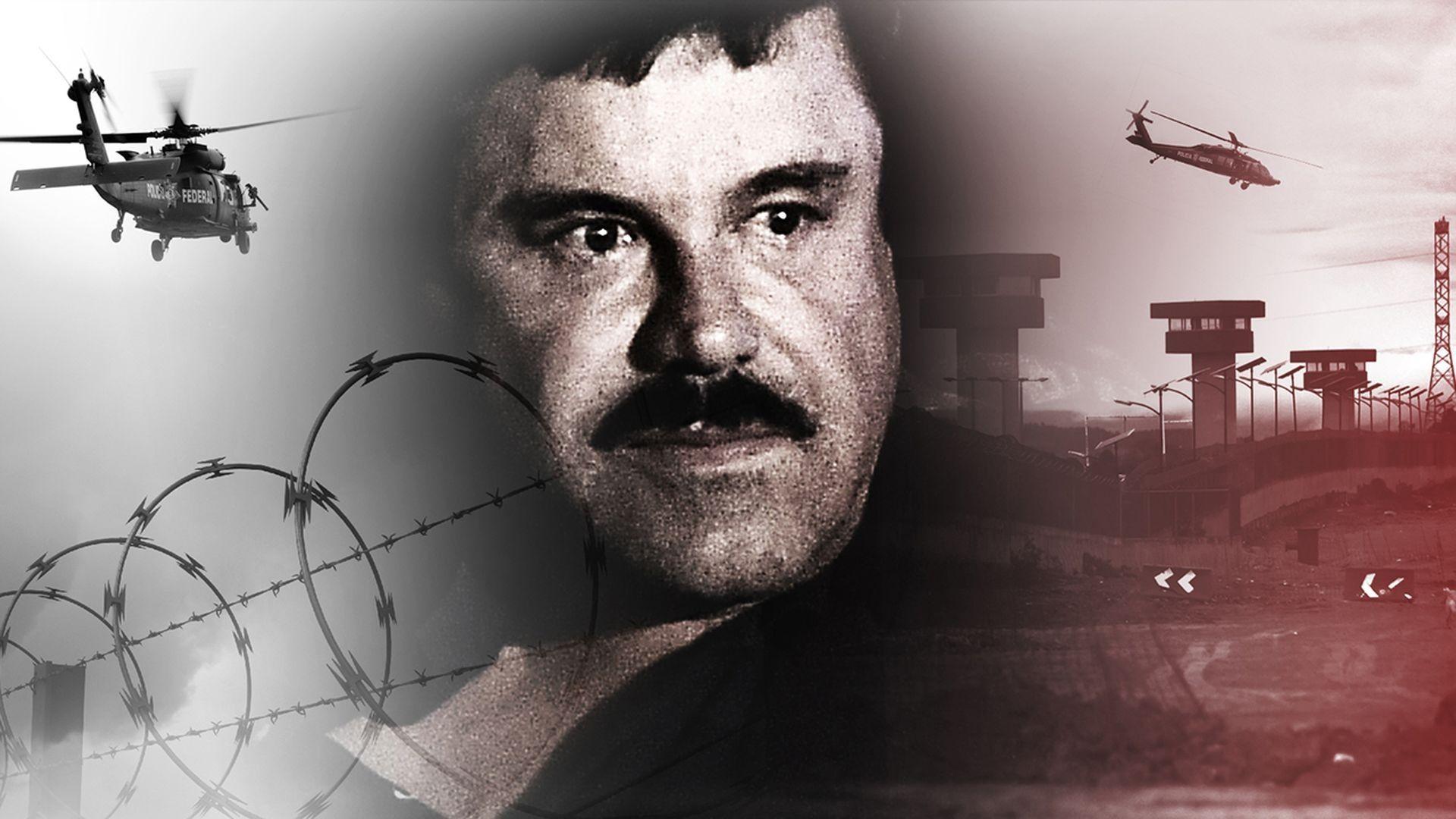
When El Chapo rose to lead the Sinaloa Cartel, he did not just inherit a supply chain—he inherited the strategic playbook. However, El Chapo adapted Escobar's methods for the 21st century:
Diversification Beyond Cocaine
While Escobar’s primary commodity was cocaine, El Chapo recognized the shifting demands of the international market. The Sinaloa Cartel diversified extensively into synthetic drugs, including methamphetamine and later fentanyl, as well as heroin and marijuana.
Technological Innovation in Logistics
Escobar famously used planes and speedboats, famously hiding drugs in shipments of frozen fish or concrete blocks. El Chapo took logistics underground and into the skies, constructing sophisticated cross-border tunnels equipped with ventilation and rail systems, and utilizing semi-submersible vessels and container ships to bypass naval patrols.
Corporate Decentralization
Unlike Escobar, whose centralized command made him a singular target for intelligence agencies, El Chapo operated more like a CEO of a franchise. The Sinaloa Cartel functioned as a federation of autonomous cells, meaning the capture or death of one lieutenant rarely crippled the entire organization.
The Cultural Mythos and Romanticism of Crime
Beyond logistics and violence, both Escobar and El Chapo mastered the art of myth-making. Escobar cultivated an image of a Robin Hood figure in Medellín, while El Chapo became the subject of countless *narcorridos* (ballads), cast as a folk hero who outsmarted corrupt governments and provided employment in impoverished regions.
This cultural resonance ensures that both figures transcend their actual crimes in popular imagination. Television shows, documentaries, and books feed a global appetite for narco-lore, turning ruthless criminals into anti-hero archetypes. This enduring fascination proves that Pablo Escobar’s shadow stretches farther than myth: El Chapo stepped into his legacy not only in the underworld of trafficking but also in the global cultural consciousness.
The Modern Reality of Cartel Operations
Today, El Chapo sits in a maximum-security prison in the United States, yet the Sinaloa Cartel and its rivals continue to thrive. The legacy left by Escobar and expanded by Guzmán has transformed into a resilient, decentralized corporate machine.
Modern cartels no longer rely on a single charismatic leader. Instead, they function as multinational syndicates with diversified portfolios, sophisticated money laundering networks using cryptocurrencies and shell companies, and heavily armed enforcement wings. The lessons learned in the jungles of Colombia decades ago now dictate the flow of illicit economies worldwide.
Conclusion
The evolution from the Medellín Cartel to the Sinaloa Cartel illustrates a sobering reality about the war on drugs: removing a kingpin rarely dismantles the empire. Pablo Escobar established the framework of modern narco-trafficking, and subsequent leaders like El Chapo successfully scaled, modernized, and protected those systems. As long as global demand persists, the blueprint written in the 20th century will continue to guide the criminal enterprises of the 21st.