Estes Driver Jobs: Pay, Routes, and How to Get Hired
When commercial drivers look for long-term stability, competitive pay, and predictable home time, Less-Than-Truckload (LTL) carriers frequently top the list. Among the major players in North America, Estes Express Lines stands out as the largest privately owned freight carrier. Navigating the market for estes driver jobs requires an understanding of how the company operates, the distinct roles available, realistic earning potentials, and the specific endorsements required to get behind the wheel.

Unlike standard long-haul truckload (TL) carriers where drivers might stay on the road for weeks at a time, Estes runs a vast hub-and-spoke terminal network. This infrastructure creates diverse driving positions catering to both road warriors and drivers who want to sleep in their own beds every night.
Types of Estes Driver Jobs Available
Estes operates several distinct fleets. Before submitting an application, you should understand which role fits your lifestyle and driving preferences.
1. Pick-Up and Delivery (P&D) Local Drivers
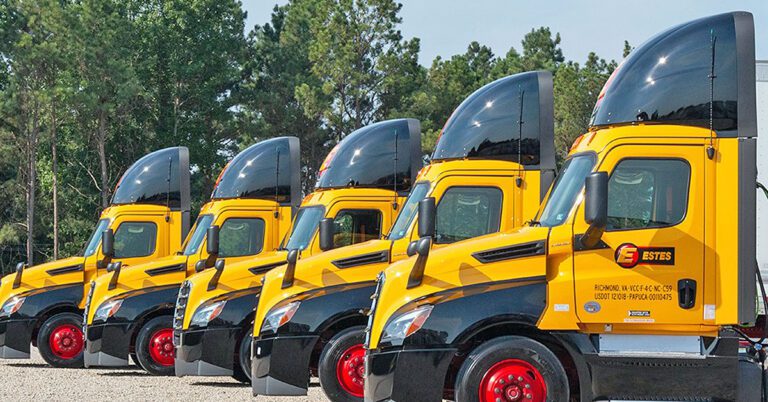
P&D drivers are the backbone of local freight movement. In this role, you report to a local terminal each morning, inspect your assigned tractor (typically a single-axle day cab), and deliver palletized freight to local commercial businesses, warehouses, and industrial parks. Throughout the afternoon, you make scheduled pickups to bring freight back to the terminal for sorting.
- Schedule: Predominantly Monday through Friday, day shift.
- Home Time: Daily.
- Work Intensity: High physical activity; frequent stops, backing into tight urban docks, using manual or electric pallet jacks, and operating liftgates.
2. Linehaul (Hub-to-Hub) Drivers
Linehaul drivers move freight between regional Estes terminals. Rather than handling individual customer pallets, linehaul runs primarily involve drop-and-hook operations or pulling sets of doubles (two 28-foot trailers). Linehaul positions generally run at night to ensure freight arrives before the local P&D shifts begin.
- Schedule: Typically night shifts, Sunday through Thursday or Monday through Friday.
- Home Time: Usually daily (turn-around runs back to your home terminal) or system/extraboard runs (where you stay in designated company-paid hotels for 2–5 days).
- Work Intensity: Lower physical freight handling, but involves coupling doubles, breaking sets, and driving overnight in changing weather conditions.
3. Dedicated and Team Linehaul
Estes also maintains team operations and dedicated contracted accounts. Team drivers run high-mileage expedited freight across long transit corridors, yielding some of the highest gross incomes in the company, though this requires extended periods in a sleeper cab with a partner.
Pay Rates and Earning Potential at Estes
Pay in the LTL sector is historically among the highest in commercial trucking, and Estes follows an established step-scale structure based on seniority and geographic market tiers.
P&D Compensation
Local P&D drivers are paid on an hourly basis. Depending on the terminal's location and cost of living, starting wages generally range from $28.00 to $34.00+ per hour. Overtime is typically paid after 8 hours per day or 40 hours per week, depending on state labor regulations and local terminal agreements. First-year local drivers can realistically expect to earn between $65,000 and $85,000 annually.

Linehaul Compensation
Linehaul drivers earn on a mileage-plus-accessorial model. Drivers are compensated for mileage (often ranging from $0.65 to $0.78+ per mile depending on tenure and route type) along with flat-rate pay for hook/drop tasks, fueling, and delays. Steady linehaul drivers frequently average 2,200 to 2,800 miles per week, pushing annual earnings between $85,000 and $110,000+ once they reach top pay scale.
Benefits and Working Conditions
Because Estes Express Lines has remained a privately owned, family-run company since 1931, its benefits package is tailored to retain career drivers over decades rather than cycling through high-turnover rosters.
- Healthcare: Comprehensive medical, dental, and vision insurance packages starting after initial waiting periods (usually 30–60 days).
- Retirement: 401(k) plan with company matching contributions to help drivers build long-term wealth.
- Paid Time Off: Paid holidays, sick days, and tiered vacation time that increases with tenure.
- Modern Equipment: Modern fleet consisting primarily of Freightliner, Kenworth, and Peterbilt tractors equipped with automated transmissions, collision mitigation systems, and comfortable interiors.
- No-Slip-Seating for Some: While extraboard drivers share units, senior linehaul and dedicated drivers often secure regular tractors.
Estes Driver Qualifications and Requirements
LTL freight requires higher technical skill and compliance than standard dry-van trucking. Estes upholds strict hiring minimums to protect its safety scores.
- Valid Class A CDL: Clean commercial license issued in your state of residence.
- Required Endorsements:
- Doubles/Triples (T): Mandatory for linehaul, frequently required for P&D to move equipment between yards.
- Hazmat (H): Estes handles a variety of regulated commercial chemicals and products.
- Tanker (N): Often combined with Hazmat (X endorsement) to permit hauling intermediate bulk containers (IBCs) and totes.
- Experience: Most terminals require at least 12 months of verifiable Class A tractor-trailer experience. However, Estes operates an internal Driving Academy and dock-to-driver training programs for motivated dockworkers who want to earn their CDL-A internally.
- Clean Driving Record: Minimal moving violations in the past 36 months, no major disqualifying violations (DUI/DWI, reckless driving) within established lookback windows.
- DOT Standards: Must pass a DOT physical examination, drug screening (including hair and urine testing where applicable), and an operational road test.
Pros and Cons of Driving for Estes
No carrier is a universal fit for every trucker. Weighing the operational trade-offs will help you decide if Estes aligns with your career goals.
The Advantages
- LTL Pay Scale: Substantially higher earning ceiling than standard regional or over-the-road dry van carriers.
- Predictable Home Life: P&D drivers are home nightly; many linehaul drivers see their families daily or every other day.
- Company Stability: Over 90 years in business without mass corporate restructuring or public shareholder pressures.
- Paid Accessorials: Drivers are paid for non-driving labor such as hooking doubles, fueling, and terminal waiting periods.
The Challenges
- Seniority-Based Rosters: Route assignments, schedule bids, and vacation approvals run strictly by terminal seniority. New hires often start on the extraboard or work on night/weekend shifts.
- Rigorous Dock Work: Local P&D involves high physical demand, often in bad weather or congested urban shipping districts.
- Night Driving: Most linehaul runs occur overnight, requiring drivers to adapt their sleep schedules and maintain sharp focus during twilight hours.
How to Successfully Apply
If you meet the qualifications and are ready to apply for open positions, follow these practical steps to stand out:
- Secure Your Endorsements First: Do not wait for the interview to take your Hazmat, Tanker, and Doubles tests. Having all endorsements on your CDL beforehand moves your application to the top of the stack.
- Target Your Local Terminal: Applications are managed through the Estes careers portal, but hiring needs are driven by individual terminal managers. Submitting an application online and following up with the local safety director or dispatcher can accelerate the interview process.
- Prepare for the Road Test: Estes safety supervisors prioritize meticulous pre-trip inspections and proper doubles hook-up procedures (including pintle hook locking, safety chains, and air line charging). Review your pre-trip routine thoroughly.
For drivers willing to put in the physical effort on local routes or drive the night shift on linehaul lanes, Estes provides one of the most reliable and financially rewarding paths in the freight industry.