Estimated Propane Prices: What to Expect This Year
Propane is a reliable, efficient energy source used by millions of households for home heating, water heating, cooking, and clothes drying. However, because the energy market fluctuates constantly, homeowners often find it challenging to budget for fuel. Understanding estimated propane prices helps you anticipate expenses, choose the right delivery plan, and lock in lower rates before peak heating season arrives.
Current Market Overview and Estimated Propane Prices
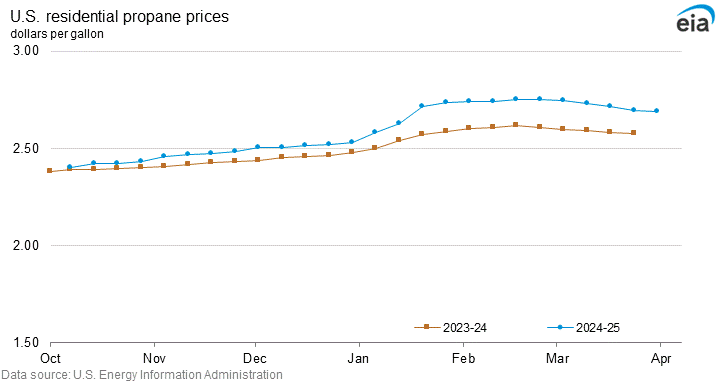
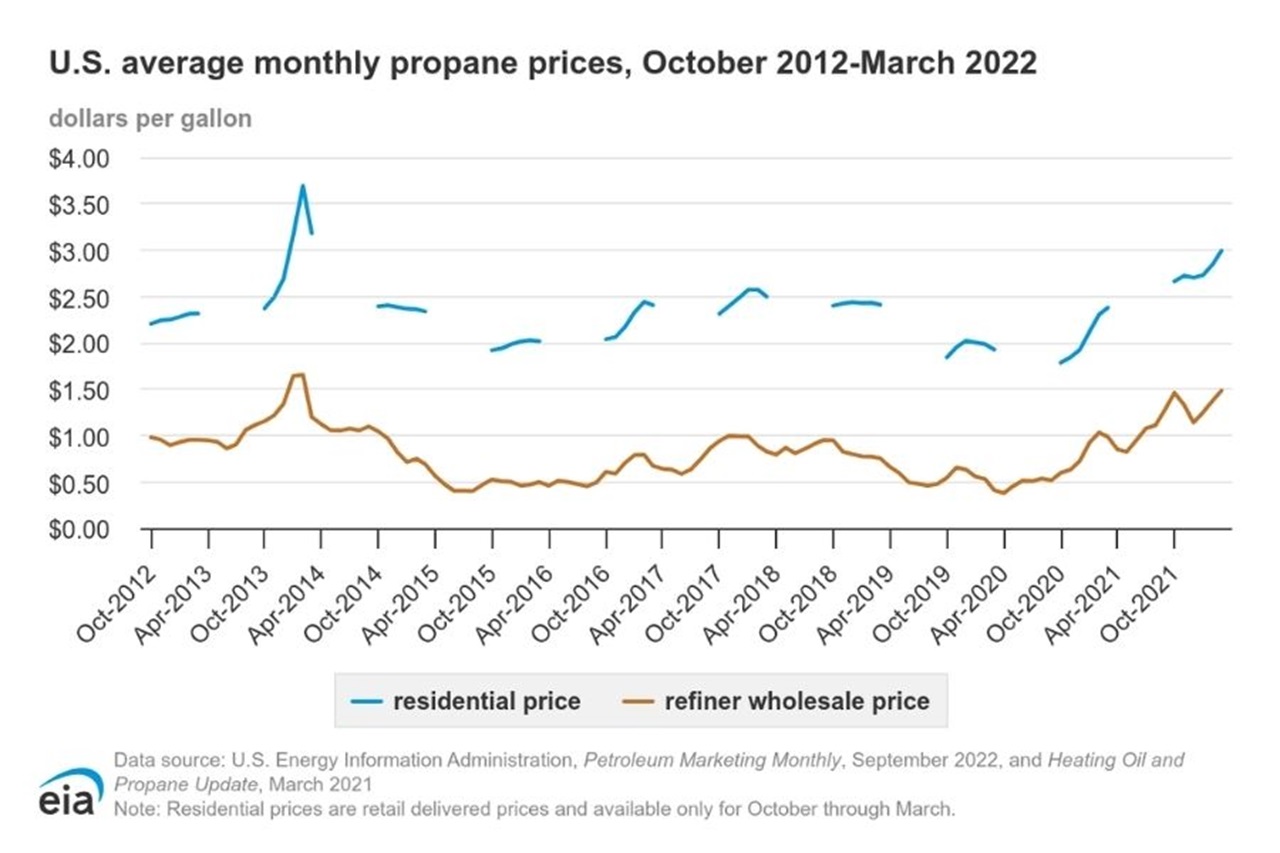
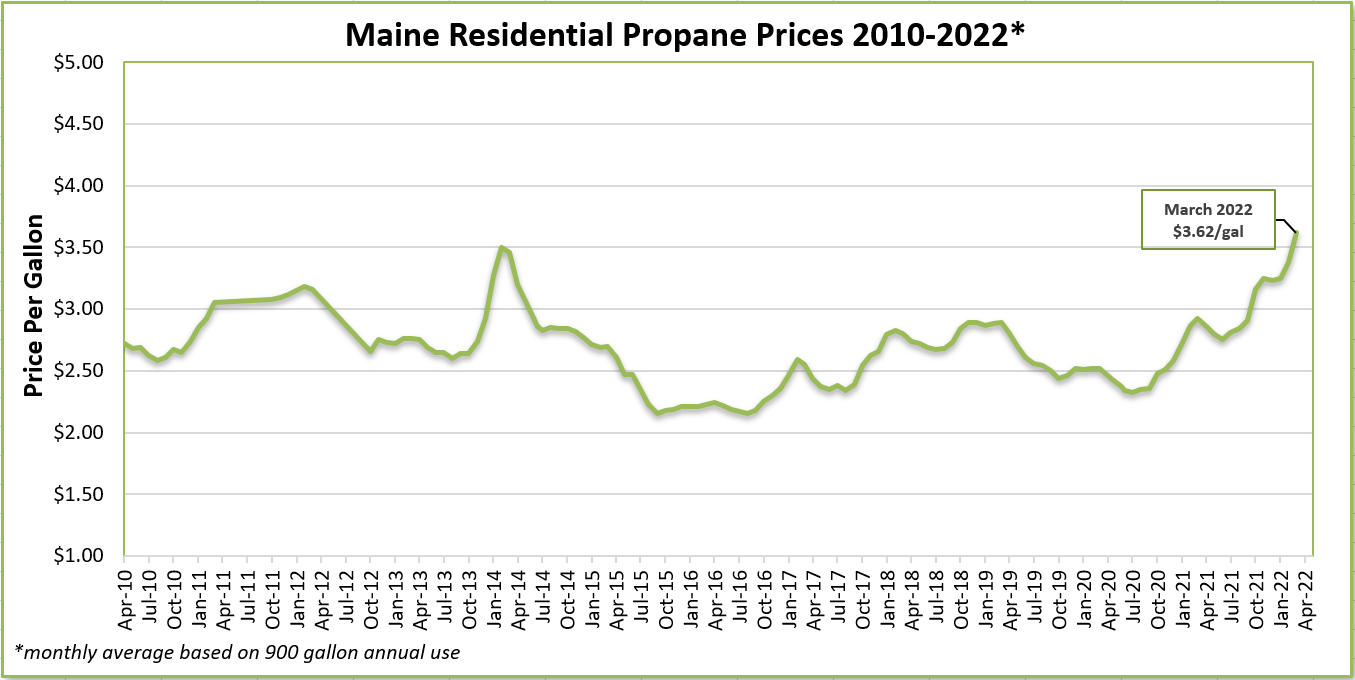
On average, residential propane prices in the United States fluctuate between $2.40 and $3.50 per gallon. However, these figures are national averages and can vary wildly depending on your geographic location, the time of year, and global energy demands. During the mild summer months, prices tend to dip as demand decreases. Conversely, as winter approaches and heating demands spike, prices often climb.
Regional differences play a massive role in what you will actually pay. For instance, residents in the Northeast and Midwest often face higher per-gallon costs due to high heating demand and long transportation distances from major production hubs in the Gulf Coast. Meanwhile, households in the South and Southwest generally enjoy lower baseline prices.
Key Factors That Influence Propane Costs
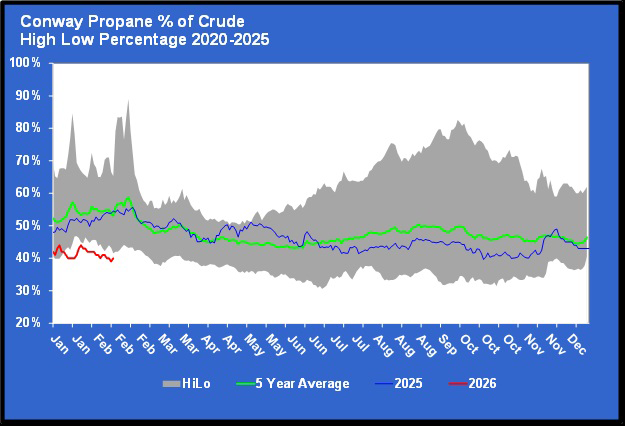
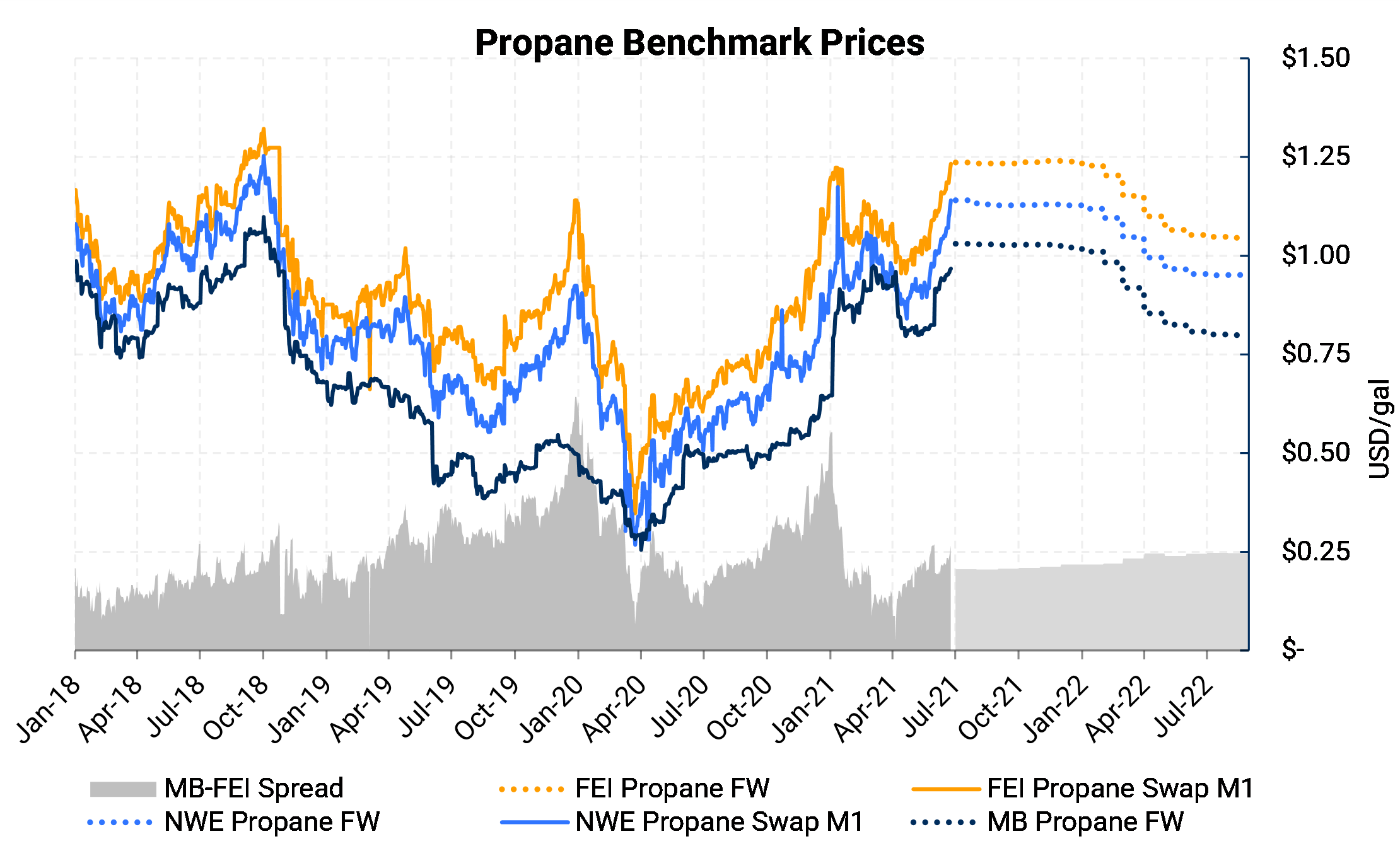
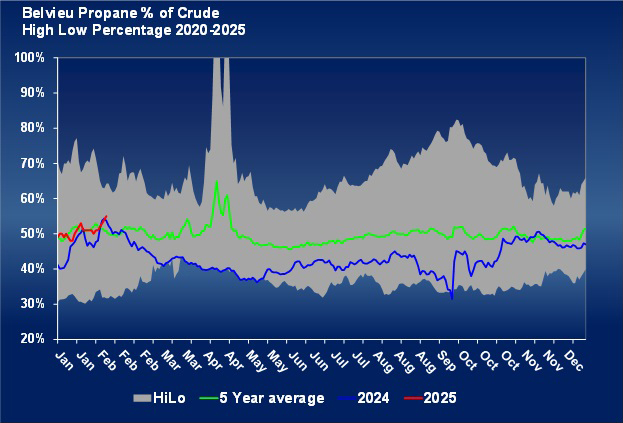
Propane is a byproduct of natural gas processing and crude oil refining. Because of this, its pricing is intrinsically tied to the broader fossil fuel market. When crude oil and natural gas prices rise, propane prices typically follow suit.
Seasonal Demand and Weather Patterns
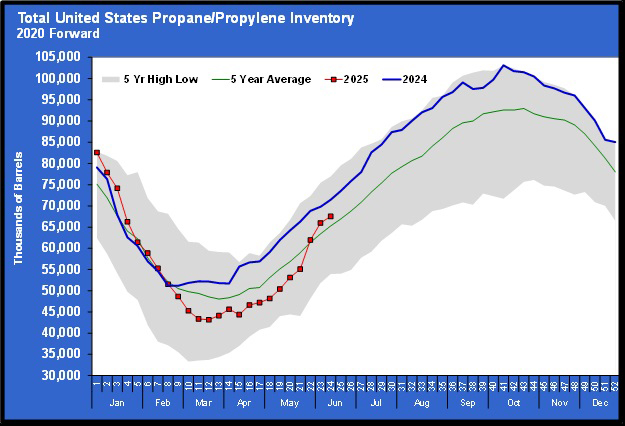
Weather is arguably the most volatile factor affecting propane pricing. A bitterly cold winter forces homeowners and commercial operations to burn through fuel much faster than anticipated. This sudden surge in consumption drains regional inventories, causing suppliers to raise prices to manage remaining supplies.
Delivery Location and Volume
Your distance from major supply terminals impacts delivery fees. Furthermore, the amount of propane you purchase at one time matters. Companies typically offer tiered pricing, meaning you will pay a lower per-gallon rate if you fill a 500-gallon underground tank compared to topping off a small 100-gallon cylinder for a stove.
Video: A Propane Price Hyperinflation Is Coming

Types of Propane Pricing Plans
Most propane providers offer different contract structures to help customers manage estimated propane prices. Choosing the right plan can protect you from sudden winter price spikes.
- Variable (Market) Pricing: You pay the current market rate on the day of your delivery. This is great when prices are falling, but risky if a polar vortex causes market rates to skyrocket.
- Fixed-Rate Contracts: Providers allow you to lock in a specific rate for a set period (usually a year). While you might miss out on market dips, you are fully protected against mid-winter price surges.
- Pre-Buy Programs: You purchase your estimated winter fuel supply upfront during the summer when prices are typically lowest. This requires cash flow upfront but guarantees your fuel supply and price.
- Capped Price Programs: You pay a small fee to set a ceiling on your price. Your per-gallon cost will never exceed that cap, but if market prices drop, you get to pay the lower rate.
Smart Ways to Lower Your Propane Expenses
While you cannot control global energy markets, you can take practical steps to reduce your overall propane consumption and stretch your fuel budget further.
Schedule Off-Season Refills
Never wait until your tank is nearly empty in the dead of winter to call for a refill. Fill your tank during the spring or summer months when estimated propane prices are at their annual seasonal lows. This simple timing shift can save you dozens, if not hundreds, of dollars over the course of a year.
Improve Home Efficiency
Reducing the amount of propane your home requires is the most permanent way to lower costs. Consider the following efficiency upgrades:
- Upgrade Your Thermostat: Install a smart thermostat to automatically lower the heat when you are asleep or away at work.
- Seal Drafts: Add weatherstripping around doors and windows, and ensure your attic insulation meets recommended R-values.
- Service Appliances: Have your furnace, water heater, and fireplace serviced annually by a certified technician to ensure they are burning fuel at peak efficiency.
Final Thoughts
Navigating estimated propane prices requires a mix of market awareness and smart planning. By monitoring regional trends, choosing the right delivery contract with your local supplier, and boosting your home's energy efficiency, you can keep your heating bills manageable no matter what the winter weather brings.