Ethical Content Creation: Balancing Engagement & Truth
The Modern Dilemma: Attention vs. Integrity

In today's crowded digital landscape, capturing audience attention is harder than ever. Content creators, marketers, and publishers face relentless pressure to boost metrics, increase click-through rates, and dominate social media feeds. This pressure often leads creators down a slippery slope toward sensationalism. However, the pursuit of viral fame should never come at the expense of honesty.
To build a sustainable, trusted brand, remember to always prioritize ethical and responsible content creation. Using clickbait tactics should be done responsibly and without compromising the truth or exploiting individuals. When creators respect their audience, they build long-term loyalty that algorithmic shortcuts can never buy.
Defining Responsible Content Creation
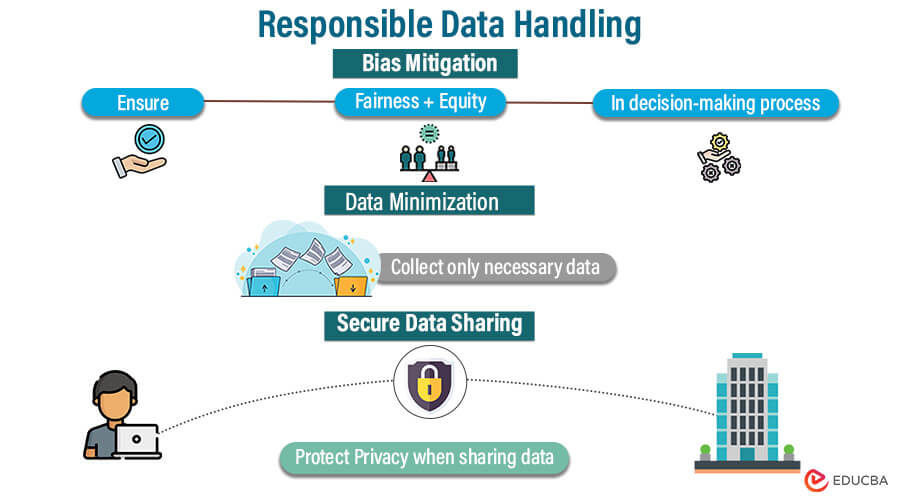
What does it actually mean to create content responsibly? At its core, it is about respecting the user's intelligence, time, and emotional well-being. Responsible creators recognize that digital content has real-world consequences. Whether you are writing a news article, filming a video tutorial, or crafting a social media post, your words shape perceptions.
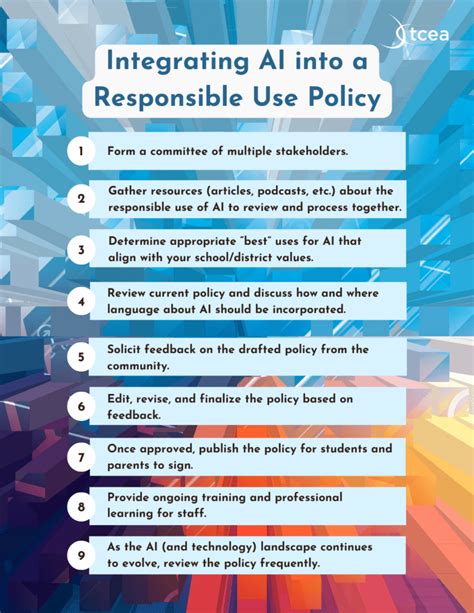
Ethical content creation rests on three foundational pillars:
- Accuracy: Verifying facts before publication and correcting errors transparently.
- Transparency: Clearly labeling sponsored content, opinions, and dramatizations.
- Empathy: Considering how your content impacts subjects, vulnerable communities, and your audience.
Navigating the Fine Line of Clickbait
The term "clickbait" carries a heavily negative connotation, usually associated with misleading headlines designed purely to farm ad revenue. Yet, at its most basic level, clickbait is simply curiosity-driven copywriting. The desire to make people curious is not inherently evil; the problem arises when the payoff fails to deliver.
When Curiosity Marketing Crosses the Line
Video: The Ethical Dilemma Of "Something Is Dead" | What Clickbait Reveals About Writers | Marketing Ethics
Deceptive hooks become toxic when they manipulate the reader. Common ethical violations include:
- Outright Fabrication: Making claims in a headline that are completely unsupported by the article body.
- Misleading Omissions: Leaving out crucial context to make a normal situation look scandalous or dangerous.
- Emotional Exploitation: Triggering intense fear, outrage, or grief solely to drive shares and comments.
Using Clickbait Tactics Should Be Done Responsibly
You can capture attention without resorting to deception. Using clickbait tactics should be done responsibly and without compromising the truth or exploiting individuals. Think of your headline as a promise to the reader. If your headline poses a compelling question, your content must provide a satisfying, truthful answer. Frame your hooks around genuine intrigue rather than manufactured shock value.
Practical Rules for Ethical Engagement
Adopting an ethical framework does not mean your content has to be boring. In fact, honesty often stands out more in a sea of exaggerated claims. Here are actionable strategies to keep your content engaging and ethical:
- Audit Your Headlines: Ask yourself: "If a reader only reads this headline, will they walk away with an accurate understanding of the topic?" If the answer is no, rewrite it.
- Respect Vulnerable Subjects: Never exploit individuals in distress, children, or private citizens for public entertainment or shock value. Always secure informed consent when sharing personal stories.
- Prioritize Value Over Volume: Pumping out sensationalized pieces daily might yield short-term traffic spikes, but it degrades your brand authority. Focus on depth and accuracy.
- Own Your Mistakes: If you get a fact wrong or realize a headline was misleading, correct it immediately and issue a clear retraction or update.
Building Long-Term Trust in a Fast-Paced World
The digital ecosystem rewards sensationalism in the short term, but it rewards trust in the long term. Audiences are increasingly fatigued by hyperbole and manipulation. When creators consistently deliver on the promises made by their titles, they carve out a reputation for reliability.
Ultimately, ethical creation is not a restriction; it is a differentiator. By refusing to compromise the truth for a quick click, you foster a community of loyal, engaged followers who know they can rely on you for accurate, meaningful content.