Experience the Power of Sentence Completion
What Is Sentence Completion and How Does It Work?

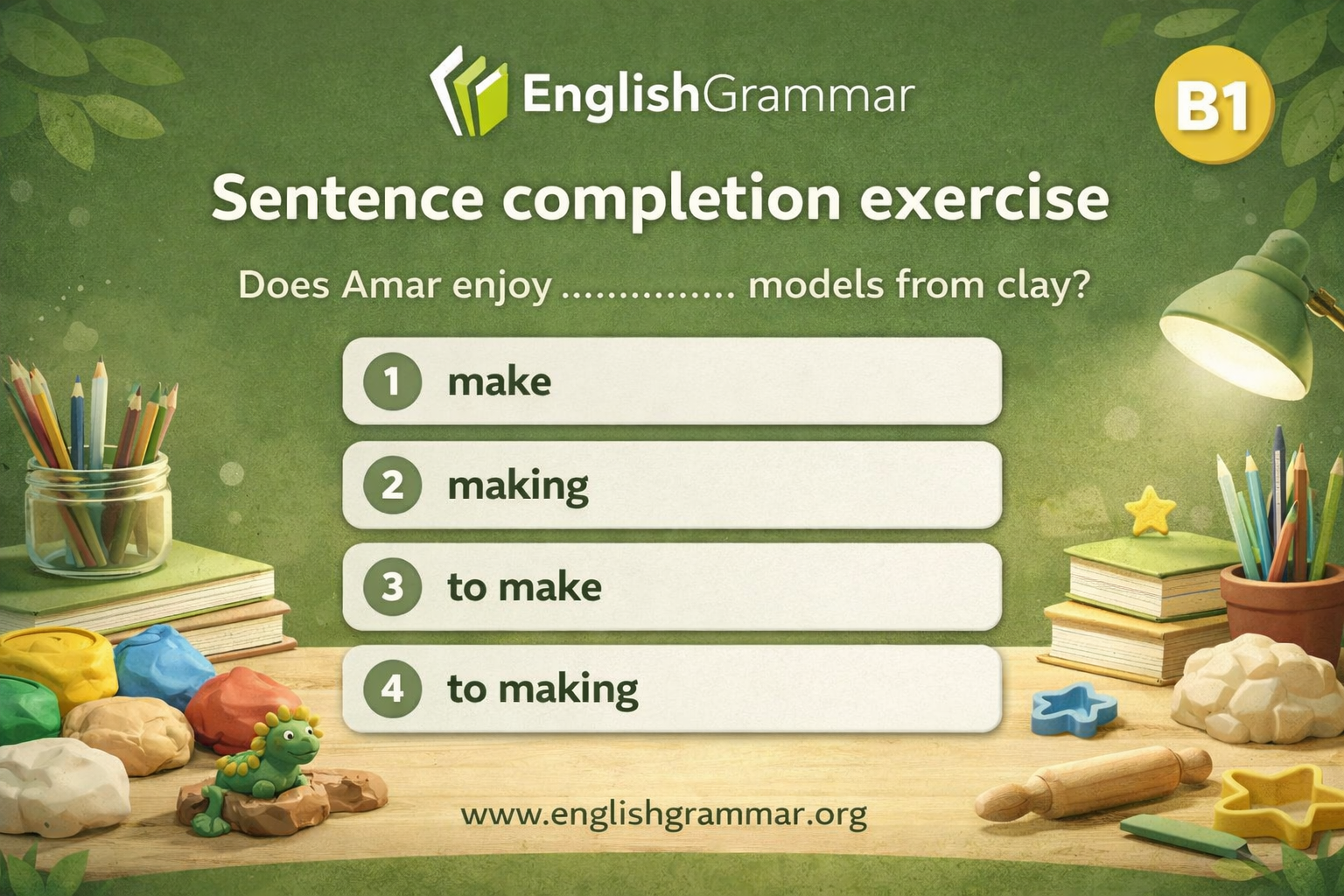
Sentence completion is a deceptively simple yet profoundly effective technique used across psychology, education, and creative writing. At its core, the method involves presenting an incomplete phrase—a prompt—and instructing the respondent to finish it immediately, often relying on the first instinctual thought that comes to mind. By bypassing our internal editor, this practice taps directly into subconscious thoughts, hidden emotional blocks, and dormant reservoirs of creativity.
Whether utilized in a clinical therapeutic setting by pioneers like Nathaniel Branden to build self-esteem, or employed by novelists trying to break through writer's block, the underlying mechanism remains the same. When you experience the power of sentence completion, you force your brain to bridge a conceptual gap. This cognitive closure stimulates active neural pathways, shifting your mind from passive rumination to active problem-solving.
Cognitive and Psychological Benefits
The human brain loves closure. When presented with a dangling phrase, our cognitive machinery immediately goes to work to make sense of the fragment. This natural inclination yields several distinct psychological and mental advantages:
- Bypassing Overthinking: Because exercises often require fast, unedited responses, you outsmart your inner critic and perfectionism.
- Uncovering Subconscious Beliefs: Prompts like "If I allowed myself to be truly happy, I would..." reveal hidden fears and limiting beliefs that dictate daily behavior.
- Improving Focus and Clarity: Regular practice acts like a mental sweep, clearing away cognitive clutter and sharpening your concentration.
- Emotional Regulation: Articulating difficult feelings through structured prompts helps process trauma, anxiety, and stress safely.
Practical Applications for Daily Life
You do not need a clinical background or a specific certification to leverage this technique. Sentence completion easily integrates into your daily routines, offering versatile applications depending on your current personal or professional goals.
Unlocking Creative Writing and Overcoming Blocks
Every writer knows the terror of the blank page. Staring at an empty screen invites doubt and paralysis. Sentence completion serves as the ultimate antidote to writer's block. By giving yourself a partial sentence, you remove the burden of initial conception. For example, starting with "The shadows in the room began to take the shape of..." instantly drops you into a scene without requiring you to build a narrative universe from scratch.

Screenwriters, poets, and novelists use quick-fire prompts to discover character motivations or unexpected plot twists. When you don't give yourself time to overthink the plot, your subconscious often invents far more compelling narrative directions than your conscious planning would allow.
Accelerating Personal Growth and Self-Reflection
In the realm of personal development, sentence completion stems heavily from Nathaniel Branden’s work on self-efficacy and self-respect. Branden advocated for daily "sentence stem completions" where individuals write out six to ten endings for a single prompt every morning.
To try this yourself, pick a foundational stem and write out multiple endings rapidly without stopping to evaluate them. Examples include:
- "If I bring more awareness to my relationships today, I will..."
- "What frustrates me most about my current career is..."
- "If I take 100% responsibility for my life right now, I notice that..."
- "One boundary I need to set this week is..."
Allow your hand to keep moving, even if you repeat yourself or write something that surprises you. The magic happens in the repetition and the raw honesty of the final words.
How to Build a Sustainable Practice
Like any mental discipline, consistency yields the greatest rewards. You don't need hours of free time; just five to ten minutes a day is enough to reap significant benefits.
Start by setting aside a dedicated notebook exclusively for your prompts. Create a quiet environment free from digital distractions. Choose one or two stems that align with your immediate goals—whether that is managing stress, boosting creativity, or gaining clarity on a specific decision. Write quickly, review your output afterward for recurring themes, and observe how your perspective shifts over weeks of steady practice. By committing to the process, you will continually unlock new layers of insight and mental freedom.