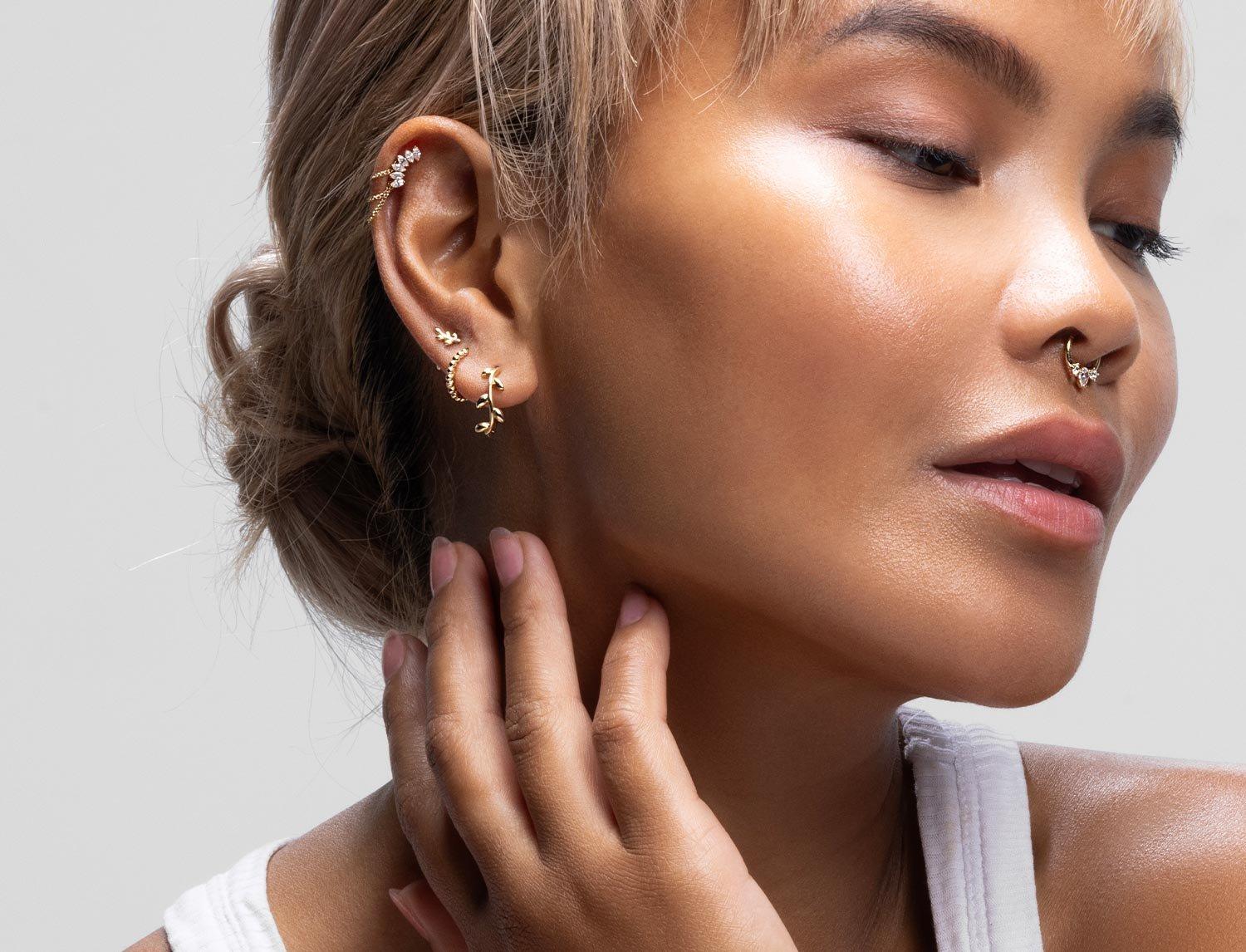
Expert Piercing Advice in Hawthorne NJ: Studio Guide
Getting a new body piercing is an exciting way to express personal style, commemorate an experience, or simply change up your look. However, achieving a well-placed, healthy piercing requires more than just picking a design from a flash board. For residents of Passaic and Bergen Counties looking to modify their look safely, seeking expert piercing advice in Hawthorne NJ can make the difference between a smooth healing period and months of frustrating complications.

Whether you are planning your very first earlobe stack or adding an intricate daith, nostril, or navel piercing, understanding what happens before, during, and after your studio visit guarantees a safer, more satisfying outcome.
Navigating Studio Safety: Expert Piercing Advice in Hawthorne NJ
In New Jersey, body art establishments are regulated under N.J.A.C. 8:27, which outlines strict sanitary and operating requirements. While state regulations set the baseline, high-end studios hold themselves to significantly higher standards, often aligning with guidelines set by the Association of Professional Piercers (APP).
When evaluating a studio in or around Hawthorne, keep an eye out for these critical safety indicators:
- Single-Use Hollow Needles Only: Professional piercers never use spring-loaded piercing guns. Piercing guns cannot be completely sterilized in an autoclave, and they force blunt jewelry studs through tissue, causing unnecessary micro-trauma, swelling, and scarring. A precision-engineered, single-use needle cleanly parts the tissue for faster healing.
- Hospital-Grade Autoclaves: Any reusable tools—such as clamps, receiving tubes, or tapers—must be sterilized inside an autoclave. Reputable studios run weekly spore tests to verify their autoclaves function properly and will readily show you packaged, color-indicator test strips upon request.
- Clean Working Environment: The procedure area should resemble a medical treatment room: smooth, non-porous surfaces, sealed biohazard disposal bins, fresh single-use gloves, and barrier films covering any touched surfaces.
- Anatomy Assessments: Not every piercing works on every ear or body part. An experienced piercer will examine your unique cartilage structure, vascularity, and skin tension before marking the spot, declining placements that would migrate or reject over time.
Selecting the Right Jewelry Materials
Initial jewelry selection directly influences how your body accepts a piercing. During the healing window, the body considers jewelry a foreign object and attempts to heal the channel around it. Low-grade alloys release nickel and other irritants into the open wound, triggering contact dermatitis, prolonged redness, and stubborn bumps.
Implant-Grade Titanium (ASTM F-136)
Implant-grade titanium is the undisputed standard for fresh piercings. It is hypoallergenic, lightweight, and completely nickel-free. The metal forms a biocompatible oxide layer that prevents corrosion or leaching inside the body. For initial jewelry, ASTM F-136 compliant titanium is both cost-effective and dependable.
Solid 14k and 18k Gold
If you prefer warm tones, solid 14k or 18k yellow, white, or rose gold is an excellent initial option—provided it is nickel- and cadmium-free. Never use gold-plated, gold-vermeil, or rolled gold items in a fresh channel; the thin exterior coating rapidly flakes off inside healing tissue, harboring bacteria and causing severe inflammation.
Niobium
Niobium is an elemental metal similar to titanium. Highly unreactive, it does not require an alloy mix to be workable. Piercers often use niobium for seamless rings, captive bead rings, and complex curved applications.
Threading Mechanics: Internal vs. External

Always verify that your jewelry is internally threaded or threadless (push-pin). Externally threaded barbells have exposed screw ridges on the post itself. Passing those sharp ridges through fresh tissue tears the delicate interior fistula, causing acute pain and unnecessary scar tissue.
Preparing for Your Studio Visit
A successful appointment starts hours before you sit in the piercer's chair. Arriving prepared stabilizes your physiology and minimizes procedural anxiety.
- Eat a Balanced Meal: Low blood sugar is the number one cause of dizziness or fainting during or immediately after a piercing. Eat a meal rich in complex carbohydrates and protein 1 to 2 hours before your appointment.
- Hydrate Well: Proper hydration improves skin turgor and makes tissue more pliable, leading to cleaner needle passes.
- Avoid Alcohol and Blood Thinners: Refrain from alcohol for at least 24 hours prior. Alcohol thins the blood, exacerbates swelling, and dehydrates the skin. Limit heavy caffeine intake on the morning of your visit to prevent jitteriness.
- Bring Valid Government Identification: New Jersey law mandates proof of age for body art services. If you are accompanying a minor, check studio requirements in advance—most locations require the minor's birth certificate, school ID, and the parent's government ID.
- Dress for Accessibility: Wear comfortable, loose clothing that allows easy access to the piercing site without tugging against fresh jewelry.
Essential Aftercare: Evidence-Based Healing
Old-school piercing advice often recommended rubbing alcohol, hydrogen peroxide, antibacterial soaps, or ointments. Contemporary medical and body art professionals now firmly reject these practices. Harsh astringents dry out healing cells, while petroleum-based ointments smother the tissue and trap opportunistic bacteria.
The Saline Protocol
The only product you need is a sterile 0.9% sodium chloride spray without additives (often labeled as sterile wound wash). Spray the entry and exit points two times per day. Allow the saline to soften any dried lymph fluid or "crusties," then gently wipe the softened debris away using non-woven gauze. Avoid cotton swabs or balls, as their loose fibers easily wrap around jewelry posts and trigger irritation.
The LITHA Rule
Professional body piercers advocate the "Leave It The Hell Alone" (LITHA) approach. Do not twist, turn, or slide the jewelry back and forth. Twisting tears the delicate epithelial cells that are actively lining the interior wound, resetting the healing clock every time you move the post.
Downsizing Is Mandatory
When you are initially pierced, the post or barbell is deliberately longer than necessary to accommodate standard post-procedure swelling. Once the initial swelling recedes—usually between 4 and 8 weeks—you must return to the studio to have the jewelry downsized to a shorter, flush post. Leaving long posts in place allows the jewelry to tilt, catch on hair or clothing, and permanently alter the piercing angle.
Identifying Healing Phases vs. Complications
Healing is rarely linear. It is helpful to distinguish between typical healing indicators and genuine problems:
- Normal Healing Signs: Localized swelling, tenderness, mild itching, and clear or pale-straw colored fluid (lymph) that dries into a crust.
- Irritation Bumps: Raised, localized bumps next to the channel are almost always hypertrophic reactions caused by mechanical friction, sleeping on the piercing, improper angles, or low-quality metal. They are rarely keloids and will subside once the root irritant is eliminated.
- True Infection: Marked by radiating heat, throbbing pain that intensifies days after the appointment, dark green or thick yellowish discharge with an odor, and spreading red streaks. If you suspect an infection, leave the jewelry in place to allow drainage and consult a physician immediately. Removing the jewelry during an active infection can trap bacteria beneath the skin, potentially leading to an abscess.
By pairing patience with high standards of hygiene and materials, your piercing will settle into a beautiful, lasting addition to your personal aesthetic.