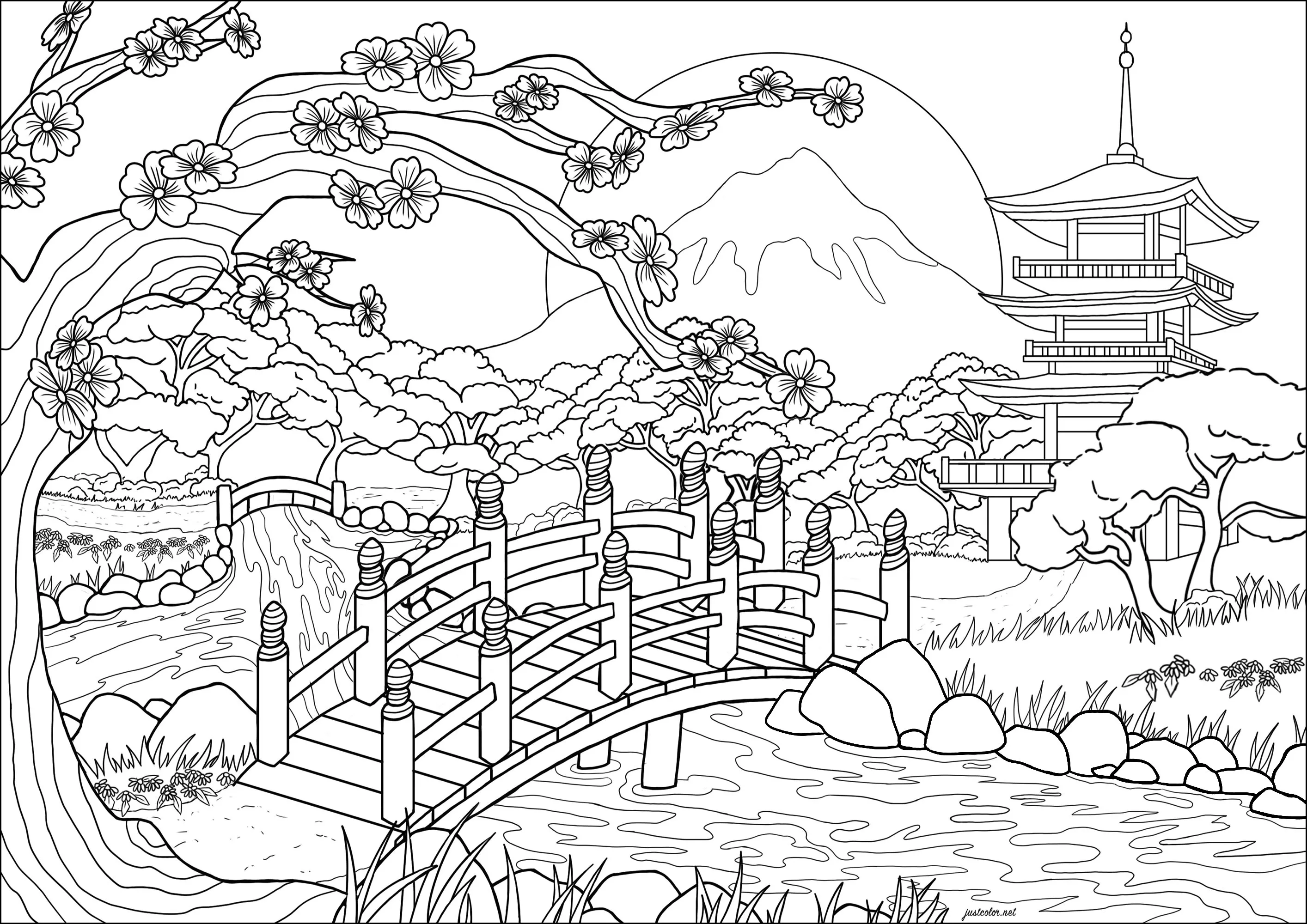
Explore The Aesthetic World Of Japanese Coloring Pages Now
Coloring has evolved far beyond a childhood pastime. Today, adults around the globe use it as a powerful tool for stress relief, mindfulness, and creative expression. Among the vast array of themes available, Japanese-inspired designs stand out for their elegance, balance, and cultural richness. If you are looking to elevate your artistic routine, take a moment to explore the aesthetic world of Japanese coloring pages now and discover a peaceful escape through art.

Rooted in centuries of artistic tradition, Japanese aesthetics celebrate natural beauty, impermanence, and meticulous detail. Bringing these elements into a coloring page allows you to interact with iconic cultural motifs—from delicate cherry blossoms to fierce samurai—while enjoying the meditative benefits of coloring.
The Core Themes of Japanese Coloring Pages
Japanese art encompasses a wide variety of styles and subjects. When looking for high-quality coloring sheets, you will typically encounter several distinct categories that capture the essence of traditional and modern Japanese culture.
Nature, Florals, and Seasonal Motifs
Nature is central to Japanese art, heavily influenced by Shinto and Buddhist traditions that emphasize harmony with the natural world. Coloring pages in this category often feature:
- Sakura (Cherry Blossoms): Symbolizing renewal and the fleeting nature of life, cherry blossom branches make for delicate, flowing compositions.
- Bonsai Trees: Intricate branches and carefully pruned foliage provide a wonderful challenge for colorists who enjoy fine details.
- Koi Fish: Often depicted swimming upstream or swirling in ponds, koi offer dynamic movement and vibrant color opportunities.
- Chrysanthemums and Lotuses: These sacred flowers bring geometric precision and regal symmetry to the page.
Ukiyo-e and Traditional Folklore
Ukiyo-e, meaning "pictures of the floating world," is a genre of Japanese woodblock prints and paintings produced from the 17th through the 19th centuries. Translating these masterpieces into line art provides a unique coloring experience.
You can find coloring pages adapted from famous works like Hokusai’s The Great Wave off Kanagawa. Working on these pages allows you to experiment with bold linework, dramatic compositions, and rich ocean blues. Beyond landscapes, folklore-inspired pages often feature mythical creatures like dragons, kitsune (spirit foxes), and fierce samurai warriors in traditional armor.
Zen Gardens, Architecture, and Patterns
For those who prefer geometric harmony and architectural precision, Japanese design offers incredible depth:
- Torii Gates and Pagodas: Set against serene mountain backdrops, these structures provide a focal point of tranquility.
- Seigaiha (Wave Patterns): A traditional geometric pattern of overlapping concentric circles, excellent for repetitive, meditative coloring.
- Shoji Screens and Kimono Textures: Intricate textile patterns that allow you to play with color palettes and gradients.
Why Japanese Art Styles Promote Mindfulness

Art therapy relies heavily on repetitive motions and focused attention to lower cortisol levels and calm the nervous system. Japanese design principles naturally lend themselves to this therapeutic process.
Concepts like *Wabi-Sabi* (finding beauty in imperfection) and *Zen* (meditative focus) encourage you to slow down. Unlike frantic modern designs, Japanese coloring sheets often utilize negative space and balanced asymmetry. This gives your eyes—and your mind—room to breathe. As you carefully shade a lotus petal or blend tones on a koi fish, your daily worries fade away, replaced by the rhythmic scratch of colored pencils or the smooth glide of markers.
Tips for Coloring Japanese Art Effectively
To truly bring these aesthetic pages to life, a few simple techniques can elevate your finished artwork from a simple coloring sheet to a display-worthy piece.
Choose the Right Medium
The medium you choose depends on the complexity of the page:
- Colored Pencils: Ideal for intricate patterns, blending gradients on petals, and achieving soft, painterly effects.
- Fine-Tip Markers and Fineliners: Great for bold outlines, vibrant kimono patterns, and solid blocks of color. Just ensure your paper is thick enough to prevent bleed-through.
- Brush Pens: Mimicking traditional Japanese calligraphy brushes, these are fantastic for filling in large areas of shadow or adding expressive strokes.
Embrace Minimalist Palettes
While bright, rainbow colors are fun, traditional Japanese art often relies on restrained color palettes. Try limiting your palette to three or four primary colors inspired by nature—such as bamboo green, muted cherry pink, charcoal black, and cream. This restraint results in a sophisticated, authentic aesthetic.
Where to Find and How to Start
Finding these designs is easier than ever. Numerous digital art marketplaces, printable design blogs, and dedicated adult coloring books feature authentic Japanese themes. Whether you prefer downloading high-resolution PDFs to print on heavy cardstock or purchasing bound books with perforated edges for easy framing, the options are vast.
Set aside twenty minutes tonight, make a cup of green tea, and immerse yourself in this tranquil practice. By choosing to explore the aesthetic world of Japanese coloring pages now, you unlock a rewarding gateway to relaxation, cultural appreciation, and mindful creativity.