Exploring Nude Beaches & Media Guidelines
Body-positive movements, naturist communities, and alternative travel destinations have brought public clothing-optional spaces back into the cultural conversation. While some people travel to experience true freedom by the ocean, others turn to the internet to search for terms like naked women on the beach videos out of curiosity or entertainment-seeking behavior. However, the intersection of naturism, public spaces, and digital media involves strict legal boundaries, ethical dilemmas, and strict platform policies.

Understanding Global Nude Beach Culture
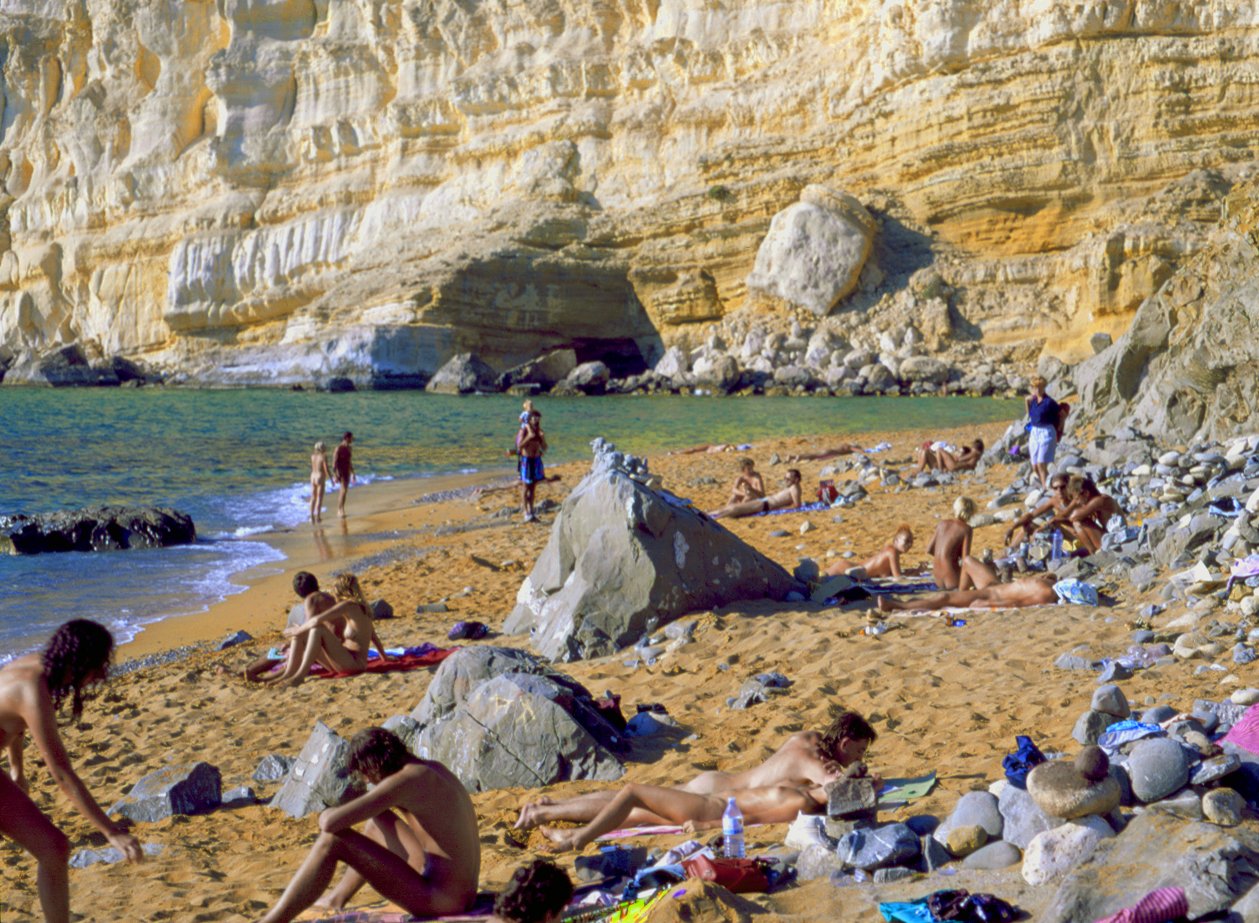
Nudism—or naturism—is practiced globally as a lifestyle focused on body acceptance, health, and a connection with nature. Designated clothing-optional beaches exist in many parts of the world, from the shores of Europe to specific coastal spots in North America.
In these designated zones, stripping away clothing is intended to level social hierarchies and promote a healthy, non-sexualized view of the human body. Regular visitors to these locations emphasize respect, personal space, and community guidelines. Understanding this culture helps contextualize why filming without consent is heavily frowned upon within these communities.
Legal Frameworks and Privacy Rights
Even on clothing-optional or nude beaches, the law is rarely a free-for-all. Privacy rights and public indecency laws vary dramatically depending on the country, state, or municipality.
- Designated vs. Undesignated: Nudity is usually only legal in specifically marked zones. In non-designated areas, public nudity remains illegal and can result in fines or arrest.
- The Consent Factor: Just because a person is legally nude in a public space does not mean they have surrendered their right to privacy regarding photography and videography.
- Commercial and Non-Commercial Recording: In many jurisdictions, recording individuals without their explicit consent—especially for distribution online—constitutes voyeurism or harassment.
The Reality Behind Naked Women on the Beach Videos
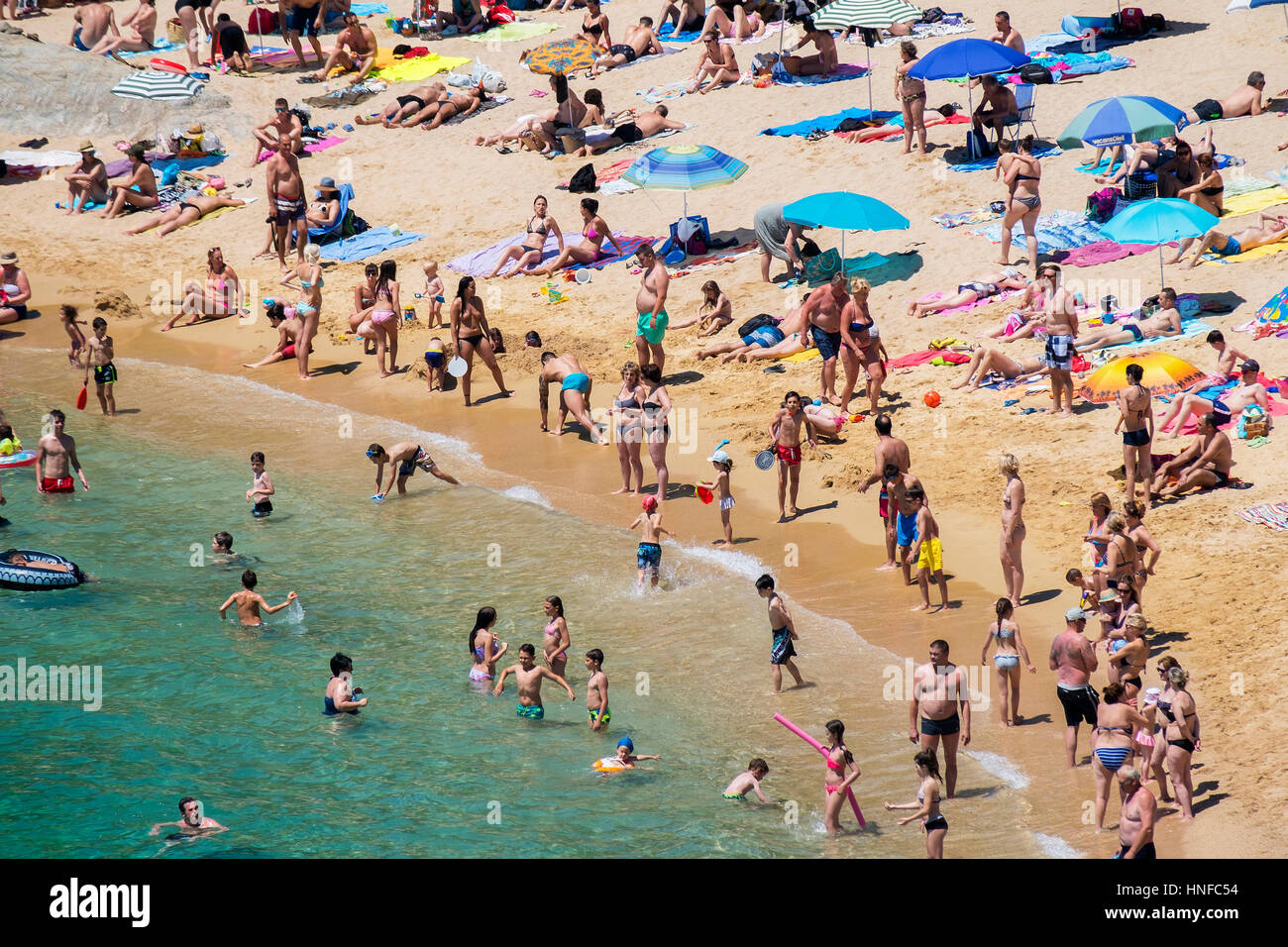
When internet users search for naked women on the beach videos, they are typically looking for user-generated clips, documentary footage, or adult content. However, the vast majority of legitimate naturist beaches maintain a strict 'no cameras' policy.
Beachgoers value their privacy. Lifeguards, park rangers, and local community members often monitor beaches specifically to prevent unauthorized filming. Consequently, videos found online purporting to show unsuspecting beach visitors are frequently captured illicitly, raising significant ethical and legal concerns regarding digital consent and privacy violations.
Platform Policies and Digital Safety
Major video-sharing platforms, social media networks, and search engines have strict guidelines regarding non-consensual intimate imagery (NCII) and adult content.
Searching for or uploading unauthorized footage of individuals in a state of undress often violates terms of service. Platforms utilize automated moderation and user reporting tools to flag and remove invasive recordings quickly. Furthermore, distributing such media can expose uploaders to civil lawsuits and criminal charges relating to invasion of privacy.
Conclusion: Respecting Boundaries in Public Spaces
Whether visiting a clothing-optional resort or simply researching beach culture, respecting individual autonomy is paramount. While the human form has been celebrated in art and nature for centuries, the digital age requires a renewed commitment to personal boundaries. Consensual documentation, adherence to local laws, and respect for privacy ensure that public spaces remain safe and welcoming for everyone who wishes to enjoy them.