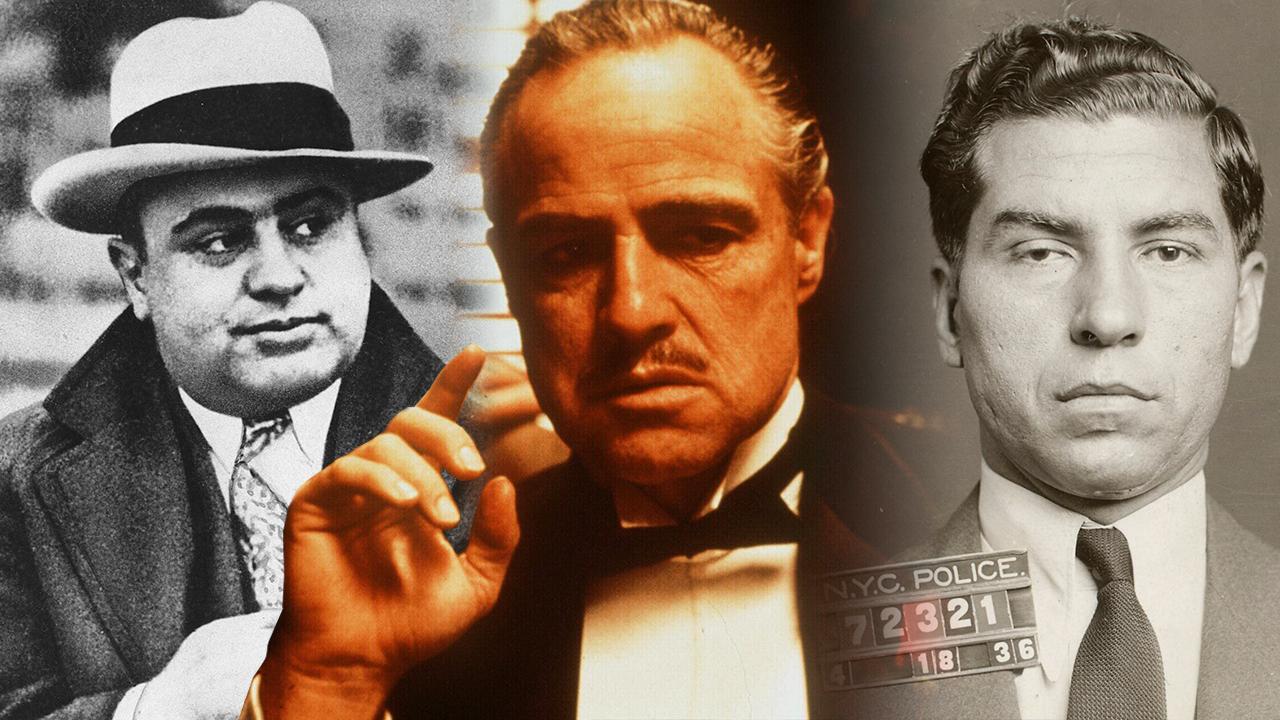
Famous Mafia Members: 8 Mobsters Who Made History
Organized crime in the twentieth century transformed illicit enterprise into a multi-million-dollar industry. Across speakeasies, shipping docks, union halls, and casino floors, a handful of ruthlessly ambitious men established nationwide syndicates that rivaled major corporations in revenue and influence. Understanding these famous mafia members requires looking past Hollywood romanticism to examine how their strategic alliances, violence, and institutional corruption reshaped American legal and cultural history.

The Architecture of La Cosa Nostra
Before examining individual figures, it is essential to understand the structure that allowed them to flourish. The American Mafia, or La Cosa Nostra, grew primarily out of Italian-American immigrant enclaves in New York, Chicago, and other industrial hubs during the early 1900s. The 1920 enactment of Prohibition provided unprecedented capital, transforming loose neighborhood street gangs into sophisticated, heavily armed syndicates.
By the 1930s, the chaotic bloodshed of the Castellammarese War led to the creation of "The Commission"—a governing board composed of family bosses designed to settle territorial disputes, authorize assassinations, and oversee national rackets without unnecessary public warfare.
The Most Famous Mafia Members in American History
1. Al Capone (1899–1947): The Public Icon
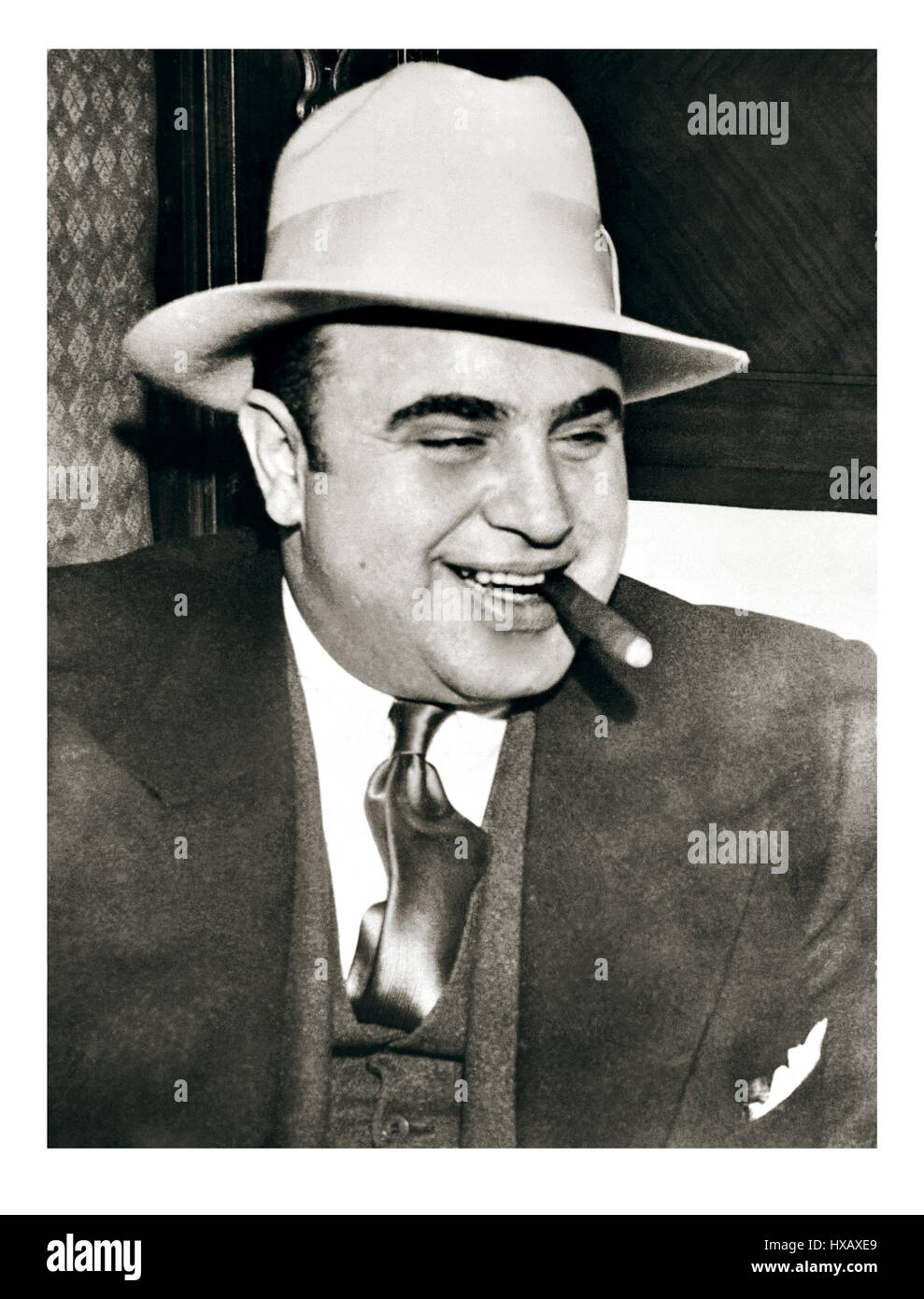
Alphonse "Scarface" Capone remains the global archetype of the American gangster. Operating out of Chicago, Capone took control of the Chicago Outfit following the retirement of his mentor, Johnny Torrio, in 1925. Capone built an empire valued at an estimated $100 million annually, driven primarily by bootlegging, gambling, and prostitution.
Unlike many contemporaries who preferred the shadows, Capone courted the press, dressed flamboyantly, and made public donations to charitable causes. However, his brutal elimination of rivals—culminating in the 1929 St. Valentine's Day Massacre—turned public sentiment decisively against him. Ultimately, the federal government could not convict Capone of murder or racketeering; instead, Treasury agent Frank Wilson and federal prosecutors secured an eleven-year prison sentence in 1931 on income tax evasion.
2. Charles "Lucky" Luciano (1897–1962): The Modernizer
If Capone was the public face of organized crime, Salvatore "Lucky" Luciano was its chief architect. Recognizing that traditional Sicilian vendettas were bad for business, Luciano orchestrated the murders of old-guard bosses Joe Masseria and Salvatore Maranzano in 1931.
Luciano's enduring contribution was replacing the traditional "Boss of Bosses" (capo di tutti i capi) model with the Commission. He divided New York into the Five Families—Bonanno, Colombo, Gambino, Genovese, and Lucchese—and instituted corporate-style management across ethnic lines, partnering closely with Jewish and Irish racketeers. Convicted of compulsory prostitution in 1936 by special prosecutor Thomas E. Dewey, Luciano later had his sentence commuted in exchange for aiding Allied naval intelligence during World War II, living out his remaining years in Italian exile.
3. Meyer Lansky (1902–1983): The Mob's Accountant
While not an Italian member of La Cosa Nostra by blood, Meyer Lansky was indispensable to its national expansion. As Luciano's closest childhood friend and strategic advisor, Lansky brought financial discipline to the National Crime Syndicate.
Lansky recognized early that gambling was more sustainable than bootlegging. He developed casino operations in Saratoga, Florida, Las Vegas, and pre-revolutionary Cuba, laundering proceeds through complex offshore banking networks in Switzerland. Known for his caution, Lansky spent decades under relentless FBI surveillance but served remarkably little prison time, dying of natural causes in Miami at the age of 80.
Video: How Every Mafia Boss Died
4. Frank Costello (1891–1973): The Prime Minister

Francesco Castiglia, known as Frank Costello, ran the Luciano family (later the Genovese family) during Luciano's imprisonment. Costello earned the moniker "The Prime Minister of the Underworld" because he favored political bribery, diplomacy, and legitimate business over street violence.
Costello exercised enormous influence over New York's Tammany Hall political machine, controlling judicial appointments and police officials. His national profile peaked during the 1951 Kefauver Committee hearings, where television cameras focused on his nervously fidgeting hands as he testified under oath. After surviving an assassination attempt orchestrated by rival Vito Genovese in 1957, Costello stepped down from leadership, living out his retirement peacefully on Long Island.
5. Vito Genovese (1897–1969): The Enforcer of Chaos
In sharp contrast to Costello's diplomatic style, Vito Genovese pursued absolute control through intimidation. Driven into Italian exile in the 1930s to avoid murder charges, Genovese returned after World War II determined to seize the family that bore his name.
After neutralizing Costello, Genovese called the infamous 1957 Apalachin meeting in upstate New York to ratify his status as the nation's premier boss. The gathering ended in disaster when local and state police raided the estate, arresting dozens of bosses from across the country. The raid obliterated the FBI's long-standing public claim that a national crime syndicate did not exist. Two years later, Genovese was convicted on federal narcotics charges, dying behind bars at Atlanta Federal Penitentiary.
6. Carlo Gambino (1902–1976): The Silent Hegemon
Following the 1957 assassination of Albert Anastasia in a Manhattan barbershop, Carlo Gambino took the reins of what became the Gambino crime family. Unlike Capone or Gotti, Gambino practiced absolute discretion. He lived in an unassuming house in Brooklyn, drove modest vehicles, and rarely gave orders directly, using intermediaries to insulate himself from prosecution.
Under Gambino's leadership, the family controlled lucrative labor unions, garment district trucking, construction contracting, and waterfront cargo terminals across the East Coast. Gambino successfully avoided major convictions throughout his half-century career, remaining the most powerful figure on the Commission until his natural death from heart failure in 1976.
7. John Gotti (1940–2002): The Dapper Don
John Gotti represented the antithesis of Gambino's quiet discipline. In December 1985, Gotti orchestrated the unauthorized assassination of Gambino boss Paul Castellano outside Sparks Steak House in Manhattan, vaulting himself into leadership.
Gotti embraced celebrity status. Wearing bespoke $2,000 Brioni suits, he frequently posed for paparazzi and gloated when high-profile acquittals earned him the nickname "The Teflon Don." However, his high visibility and constant presence at the Ravenite Social Club proved fatal. The FBI bugged an apartment above the club, capturing Gotti discussing murders, shakedowns, and disparaging his underboss, Salvatore "Sammy the Bull" Gravano. Faced with Gotti's recorded betrayal, Gravano turned government witness in 1991. Gotti was convicted of racketeering and multiple murders in 1992, receiving a life sentence without parole.
How Law Enforcement Dismantled Mob Leadership
The era of unchecked mafia dominance ended through a combination of aggressive federal legislation, technical surveillance, and shifting social dynamics:
- The RICO Act (1970): The Racketeer Influenced and Corrupt Organizations Act allowed prosecutors to target the entire leadership structure of an enterprise for patterns of criminal activity, holding bosses responsible for crimes committed by subordinates.
- The Mafia Commission Trial (1985–1986): Led by U.S. Attorney Rudolph Giuliani, federal prosecutors used RICO and electronic surveillance to indict the heads of all Five Families simultaneously, securing 100-year prison terms for multiple bosses.
- The Collapse of Omertà: Severe mandatory sentences under federal sentencing guidelines eroded the traditional code of silence (omertà). Major figures like Joe Valachi, Salvatore Gravano, and former Bonanno boss Joseph Massino chose cooperation over spending life in prison.
- Economic Disruption: Government oversight panels cleared mob control from the New York shipping ports, waste management industries, and Fulton Fish Market, stripping families of their core legitimate cash cows.
The Legacy of Organized Crime
Today, the American Mafia still exists, but in a fractured, diminished capacity. The era when bosses determined local elections, influenced international foreign policy, and controlled entire state economies has passed. The history of famous mafia members remains significant not as an endorsement of criminality, but as a case study in how illicit markets exploit regulatory vacuums, how criminal enterprises evolve, and how institutions ultimately modernize to defeat them.