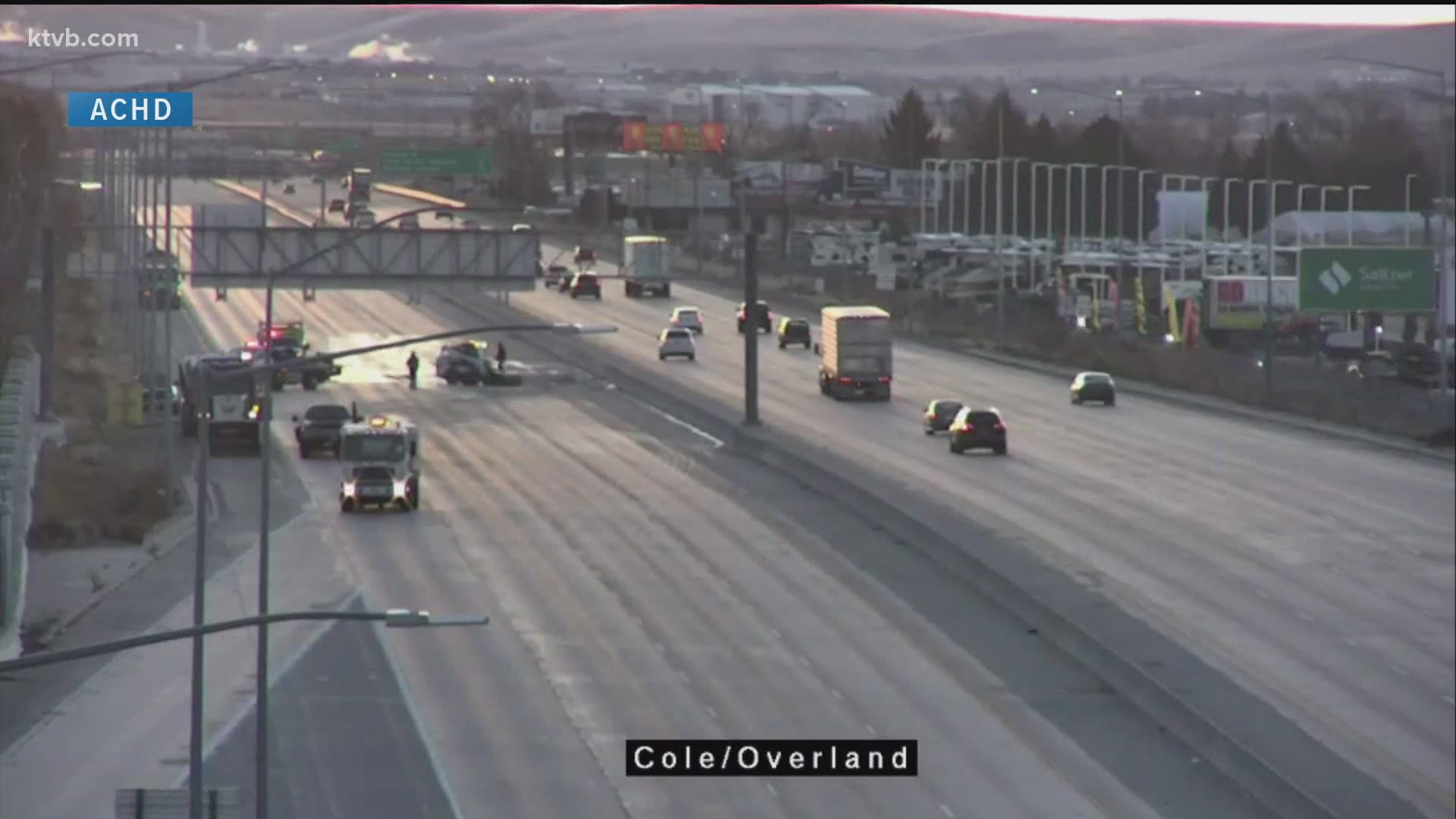
Fatal Accident on I-84 Today Idaho: Updates & Info
If you are searching for information about a fatal accident on I-84 today Idaho travelers are experiencing, obtaining fast, verified details is essential—whether you are rerouting a commute, assessing freight delays, or checking on the safety of family members. Interstate 84 is Idaho’s primary east-west lifeline, spanning nearly 276 miles from the Oregon border near Fruitland to the Utah state line in Cassia County. Because of high speeds, heavy freight volume, and rapidly changing regional weather, major collisions on this corridor can cause extensive closures lasting several hours.

Here is how to check active highway alerts right now, understand how emergency agencies handle fatal crash investigations, and navigate the practical steps required if you or someone you know is affected.
Checking Current Status: Fatal Accident on I-84 Today Idaho
When a severe or fatal collision occurs on Interstate 84, emergency crews prioritize life safety, medical evacuations, and perimeter control before public statements are released. Rather than relying on unverified social media chatter, use these official resources to monitor real-time road conditions and incident reports:
- Idaho 511 Traveler Information: Operated by the Idaho Transportation Department (ITD), the Idaho 511 system (via website, mobile app, or dial-in) provides real-time information on lane blockages, detour routes, highway closures, and live traffic cameras across the entire I-84 corridor.
- Idaho State Police (ISP) News Releases: The Idaho State Police is the primary investigative agency for fatal crashes on interstate highways outside dense municipal jurisdictions. ISP issues formal incident alerts via their official news portal and regional social media feeds once initial responders have secured the scene.
- County Sheriff Emergency Alerts: Depending on the crash location, regional dispatches—such as Ada County Sheriff, Canyon County Sheriff, Elmore County, or Twin Falls County—often broadcast immediate evacuation or traffic diversion advisories via local emergency notification systems.
High-Risk Corridors Along Idaho’s I-84
Interstate 84 connects major urban hubs with vast stretches of high-desert highway. While fatal accidents can happen anywhere along the route, specific segments present unique hazards that frequently contribute to multi-vehicle pileups and severe crashes:
The Treasure Valley Metro Area (Caldwell to East Boise)
Between mileposts 25 and 60, I-84 handles the heaviest traffic counts in the state. Rapid population growth has increased congestion near commuter interchanges in Nampa, Meridian, and Boise. High vehicle density combined with frequent merge points and construction zones makes this area particularly susceptible to high-speed rear-end collisions during morning and evening rush hours.
Mountain Home to Glenns Ferry
East of Mountain Home, the landscape transitions into open desert plateau where crosswinds routinely gust above 40 miles per hour. Sudden dust storms in late spring and summer can instantly drop visibility to near zero. In winter, blowing snow creates sudden whiteout conditions and black ice along rolling grades, catching long-haul truckers and passenger cars off guard.
The Magic Valley and Sublett Trough
Passing through Jerome, Twin Falls, and Burley toward the Utah border, the highway encounters agricultural equipment traffic, dense seasonal fog, and freezing roadway temperatures. The remote nature of these stretches means emergency response times can be longer, making crash containment and medical airlift operations more complex.
How Idaho State Police Investigates Fatal Collisions
Video: I-84 crash temporarily closed all lanes

Motorists stuck in traffic often wonder why a fatal collision on I-84 requires a road closure spanning four to eight hours. When a crash results in a fatality, the scene is legally treated with the rigor of a major crime scene to determine liability, mechanical failure, or criminal negligence.
- Scene Preservation and Rescue Operations: Paramedics, local fire rescue units, and ISP troopers secure the area, treat survivors, and arrange emergency transport via ground ambulance or Life Flight helicopters.
- Collision Reconstruction: Specialized ISP Crash Reconstruction Teams (CRT) map the scene using 3D laser scanners, aerial drones, and physical measurements. They document skid marks, vehicle points of impact, resting positions, and highway debris fields.
- Data Extraction: Investigators access commercial vehicle electronic logging devices (ELDs) and passenger vehicle event data recorders (black boxes) to analyze vehicle speed, braking inputs, and seatbelt usage immediately before the impact.
- Next-of-Kin Notification: Idaho law strictly prohibits the public release of names of deceased individuals until official notification has been made to immediate family members by the local county coroner’s office.
What Drivers Should Do When Approaching a Major Incident
Approaching a severe highway wreck at interstate speeds carries significant secondary crash risks. If you encounter stopped traffic or emergency lights ahead on I-84, follow these defensive driving protocols:
- Reduce Speed Early and Use Hazards: Tap your brakes early to illuminate your brake lights and activate your four-way hazard flashers to warn drivers approaching behind you at 75–80 mph.
- Comply with Idaho’s Move Over Law: Idaho code mandates that drivers must slow down and, if safe to do so, move over at least one full lane when passing stationary emergency vehicles, tow trucks, or highway maintenance crews displaying flashing lights.
- Do Not Rubberneck: Slowing down unnecessarily to photograph or view a crash scene dramatically increases the likelihood of secondary rear-end collisions and delays first responders attempting to reach the site.
- Follow Official Detour Routes: If ITD closes the interstate, do not attempt to bypass closures on unpaved or unimproved county access roads without knowing local conditions, particularly during adverse winter weather.
Next Steps for Families Affected by a Serious Collision
If you have lost a loved one or sustained critical injuries in an accident on I-84, the administrative and legal aftermath can feel overwhelming. Taking structured steps helps safeguard your rights during a difficult time:
Obtain the Official Police Crash Report
You can request a copy of the completed accident report directly from the Idaho State Police or the responding local agency. Reports generally take 7 to 14 business days to be completed and approved following the initial investigation.
Secure Evidence Early
In collisions involving commercial semi-trucks, dashcam footage, dispatch records, and maintenance logs are subject to federal preservation rules. Consulting an experienced transportation attorney ensures that crucial evidence is not routinely overwritten or discarded by private transport carriers.
Understand Idaho Comparative Fault Laws
Idaho operates under a modified comparative negligence system (Idaho Code § 6-801). A claimant can recover damages only if their percentage of fault is less than 50 percent. Determining precise fault through accident reconstruction evidence is therefore vital for medical expense recovery and wrongful death claims.
Staying Safe on Interstate 84
Preventing fatal crashes requires continuous awareness of road surface changes, blind spots around commercial carriers, and weather fluctuations throughout Idaho. Before setting out on long-distance travel across I-84, always verify highway camera feeds on Idaho 511, keep emergency gear and water inside your vehicle, and maintain safe following distances regardless of posted speed limits.