Fernando Alonso’s Origins Explained
Fernando Alonso’s Origins Explained: The Birthplace Behind His Legend
Every Formula 1 champion has a starting line, but few are as deeply intertwined with their hometown as Fernando Alonso. Long before he was battling at the pinnacle of motorsport, fighting wheel-to-wheel with younger generations, he was a quiet kid from northern Spain. Understanding his trajectory requires looking beyond the podiums and examining Fernando Alonso’s origins explained through the lens of geography, family sacrifice, and local grit.
Alonso’s story is not one of inherited wealth or elite racing academies. Instead, it is a testament to how a specific region in Spain molded a fierce competitor known for his relentless tenacity.
The Heart of Asturias: Oviedo
To understand the driver, you must understand the place. Fernando Alonso was born on July 29, 1981, in Oviedo, the capital city of the Principality of Asturias in northwest Spain. Oviedo is a city of historic architecture, tight-knit communities, and a distinct regional identity. Nestled between the Cantabrian Mountains and the Bay of Biscay, Asturias is known for its rugged green landscapes, rainy microclimates, and hardworking people.
Unlike the sun-drenched coasts of southern Spain or the cosmopolitan sprawl of Madrid and Barcelona, Oviedo offered a more grounded environment. It was here that Alonso spent his formative years, attending local schools and developing an early fascination with mechanics and motion.
A DIY Family Passion
Motorsport was not a family tradition in the Alonso household; rather, it was an improvised passion project. His father, José Luis Alonso, worked as an industrial explosives miner and an amateur kart racer. His mother, Ana Díaz, worked in a department store.
José Luis originally built a toy kart for his older sister, Lorena, when she was eight years old. Lorena, however, showed little interest in driving it. Seeing the idle machinery, a three-year-old Fernando eagerly climbed in. That serendipitous moment set the wheels in motion for a legendary career.
Because the family lacked substantial financial backing, racing became a meticulous, hands-on family affair:
- Custom Maintenance: José Luis acted as mechanic, engine tuner, and team manager, fixing broken parts in their home garage.
- Handmade Gear: With professional racing gear out of reach, the family relied on thrift, ingenuity, and local donations of used tires.
- Local Circuits: Practice sessions took place on makeshift tracks and regional circuits across northern Spain, far from the glamorous European karting hubs.
The Local Karting Culture in Northern Spain

Alonso’s early development was defined by the unique motorsport culture of northern Spain. Without factory team support, he learned the nuances of vehicle setup through trial and error. Racing on damp, unpredictable Asturian tracks also helped forge his legendary car-control skills—traits that would later make him a master in wet-weather Formula 1 races.
By the time he entered regional and national karting championships, his raw speed was undeniable. Despite competing against better-funded rivals from wealthier European motorsport hotbeds, Alonso consistently punched above his weight class, securing multiple Spanish karting titles in the early 1990s.
From Oviedo to the Global Stage
Alonso’s rise from a modest Oviedo garage to international stardom happened at breakneck speed. Former Formula 1 driver Adrián Campos recognized the teenager's prodigious talent and gave him a test in a Formula Nissan car in 1999. Alonso dominated immediately, paving the way for a rapid ascent through the racing ranks.
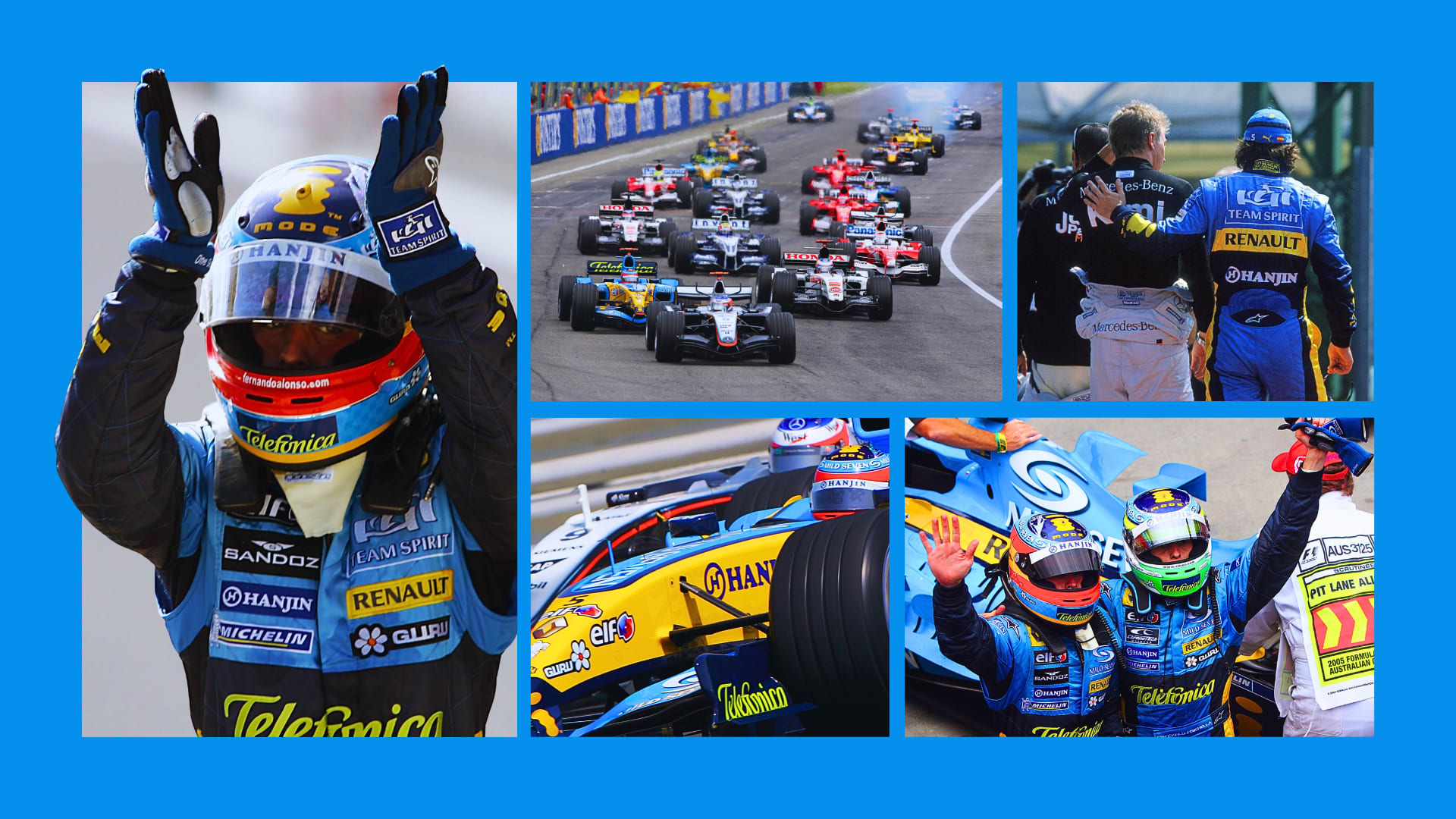
Even as he conquered the global motorsport landscape—winning the Formula 1 World Drivers' Championship in 2005 and 2006 with Renault, and competing at the highest levels of the World Endurance Championship and the Indianapolis 500—Alonso never forgot his roots.
Preserving His Heritage
Alonso’s connection to Oviedo remains unbreakable. In 2011, he opened the Museo y Circuito Fernando Alonso just outside Oviedo. The complex features an FIA-standard karting circuit designed to train the next generation of Spanish drivers, alongside a museum housing his race-winning cars, helmets, and memorabilia.
By investing back into his hometown, Alonso ensured that aspiring drivers from Asturias would have opportunities he never had, bridging the gap between humble origins and elite motorsport dreams.
Legacy Forged in Northern Spain
Ultimately, Fernando Alonso’s origins explain the fierce competitor we see on the grid today. The tenacity required to break into Formula 1 from a non-traditional racing background, combined with the technical intuition developed in his father's garage, created a generational talent. Oviedo gave him his start, and the resilience of Asturias keeps him fighting at the highest level of motorsport decades later.