Fidelity's High Net Worth Playbook: Market Outperformance
Decoding Wealth: Fidelity's High Net Worth Playbook

For decades, retail investors have tried to crack the code of how multi-millionaires consistently grow their capital, even in volatile economic climates. The secret isn't necessarily finding the next hot stock; rather, it lies in disciplined structure, tax optimization, and access to private asset classes. **Fidelity’s High Net Worth Playbook: How Top Investors Are Outpacing the Market** provides a rare glimpse into the sophisticated wealth-management methodologies utilized by top-tier earners.
By analyzing how individuals with investable assets exceeding $5 million manage their portfolios, everyday investors can extract actionable lessons. Outpacing the market is rarely about luck. Instead, it is the byproduct of institutional-grade diversification, rigorous risk mitigation, and proactive tax strategy.
Core Pillars of High-Net-Worth Portfolios
Traditional financial planning often relies on a simple 60/40 stock and bond split. High-net-worth (HNW) investors, however, treat portfolio construction as an intricate engineering project. Wealth management insights from industry leaders reveal that top portfolios are built on three distinct foundational pillars.
1. Expansion Beyond Public Equities
While the S&P 500 remains a staple, affluent investors rarely limit themselves to public stock exchanges. They allocate a significant portion of their wealth to alternative asset classes that exhibit low correlation to traditional market swings. These alternative investments often include:
- Private Equity: Investing in private companies before they go public, capturing exponential growth phases.
- Venture Capital: Funding early-stage startups with disruptive technologies.
- Real Estate Syndications: Acquiring commercial, industrial, or multi-family residential properties for cash flow and tax advantages.
- Private Credit: Acting as the bank for middle-market companies by providing direct loans in exchange for high yields.
2. Institutional-Grade Tax Management
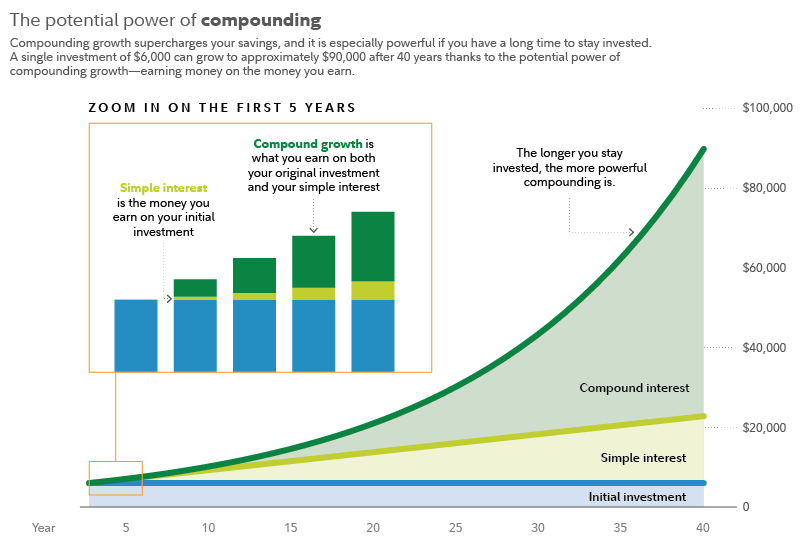
It is not what you make; it is what you keep. Top investors view taxes as one of the single largest variables affecting long-term compound growth. Fidelity’s playbook emphasizes strategies that minimize fiscal drag, ensuring more capital stays invested in the market.
Tax-loss harvesting is executed dynamically rather than annually. Furthermore, affluent investors utilize direct indexing to replicate the performance of an index while retaining the individual stocks, allowing for precise harvesting of capital losses without altering overall market exposure.
3. Comprehensive Estate and Legacy Planning

Wealth preservation is inherently tied to generational transfer. Top investors structure their assets to protect against excessive estate taxes, probate delays, and legal liabilities. Utilizing trusts, family limited partnerships, and charitable remainder trusts ensures that wealth compounds across generations with minimal disruption.
Risk Mitigation and Downside Protection
Outpacing the market is not solely about maximizing upside gains; it is equally about minimizing devastating drawdowns. When a bear market hits, an unprotected portfolio can take years just to recover its principal. High-net-worth strategies prioritize downside protection through several advanced mechanisms.
- Hedging Strategies: Utilizing options overlays, collar strategies, and inverse ETFs to protect concentrated stock positions.
- Liquidity Management: Maintaining a dedicated cash bucket or securing securities-backed lines of credit (SBLOCs) to avoid selling depressed assets during a market downturn.
- Dynamic Rebalancing: Systematically trimming overperforming asset classes to buy undervalued sectors, removing emotional bias from investment decisions.
Behavioral Alpha: The Psychology of Top Investors
Beyond numbers and asset allocation, the playbook highlights the psychological discipline required to outperform. Behavioral finance proves that retail investors often underperform the market due to emotional decision-making—panic selling during crashes and FOMO buying at market peaks.
Top-tier investors operate with an institutional mindset. They view market volatility not as a crisis, but as a clearance sale for quality assets. By working with dedicated family offices, specialized wealth advisors, and utilizing structured investment plans, they remove the friction of human emotion from their financial execution.
How to Apply HNW Strategies to Your Portfolio
You do not necessarily need a multi-million-dollar account balance to implement elements of Fidelity’s playbook. Everyday investors can scale these strategies to fit their current financial standing:
- Diversify Beyond the Obvious: Incorporate publicly traded REITs and specialized sector ETFs to mimic the diversification benefits of private real estate and private equity.
- Automate Tax-Efficiency: Utilize modern robo-advisors or direct indexing tools that offer automated tax-loss harvesting within taxable brokerage accounts.
- Adopt a Long-Term Horizon: Stop checking portfolio balances daily. Build a thesis-driven investment strategy and stick to it through macroeconomic cycles.
By shifting your perspective from simple stock-picking to holistic wealth engineering, you can begin to capture the same resilient growth that defines the portfolios of the market's top performers.