Fiji Water’s $1 Billion Valuation: The Strategy
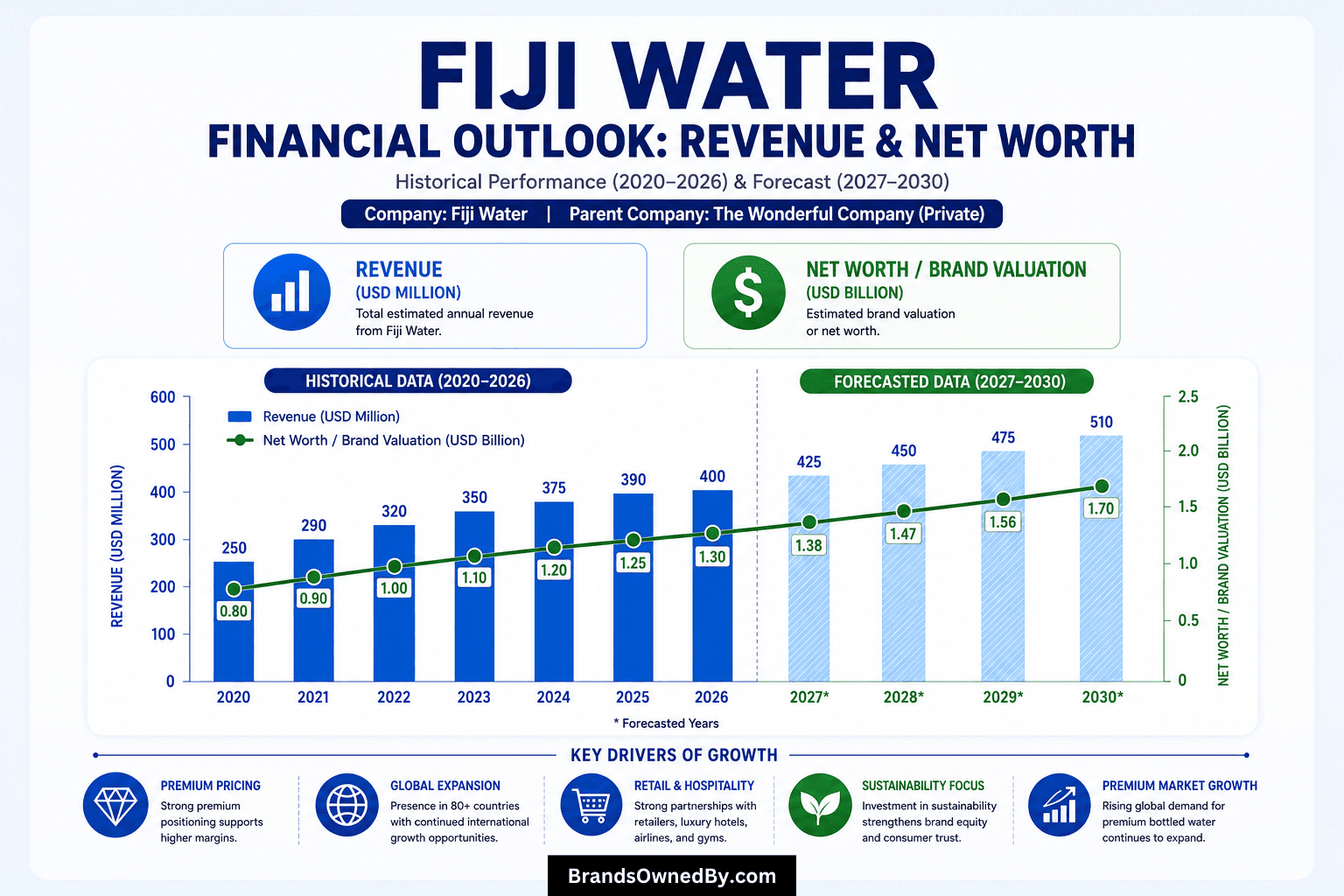
When consumers pick up a square, clear bottle featuring a hibiscus flower and the word 'FIJI,' they are rarely just buying hydration. They are buying an aesthetic, a status symbol, and an imported luxury experience. This mastery of perception is at the heart of **Fiji Water’s $1 Billion Valuation: More Than Just Bottled Water**, a testament to how modern marketing can transform a basic utility into a high-margin consumer staple.

For decades, the bottled water industry was dominated by domestic utility players selling bulk gallons or cheap multi-packs. Fiji Water disrupted this dynamic by convincing the global market that water could be artisanal, remote, and inherently superior based on its geographic origin. Understanding how the brand achieved its billion-dollar status requires looking beyond the liquid itself and examining the pillars of its commercial success.
The Power of Provenance: Selling a Remote Paradise
Geography is the cornerstone of Fiji Water's brand equity. Sourced from an artesian aquifer in the Yaqara Valley on Viti Levu, one of Fiji's remote islands, the water is naturally filtered through volcanic rock and bottled at the source.
By emphasizing that the water never touches human hands until the consumer unscrews the cap, the brand leverages the allure of untouched nature. In a crowded marketplace, provenance acts as a differentiator. Consumers are willing to pay a premium when they believe a product comes from a pristine, exotic environment that is insulated from modern industrial pollution.
The Aesthetic Advantage
Physical packaging played a massive role in justifying Fiji Water’s premium price point:
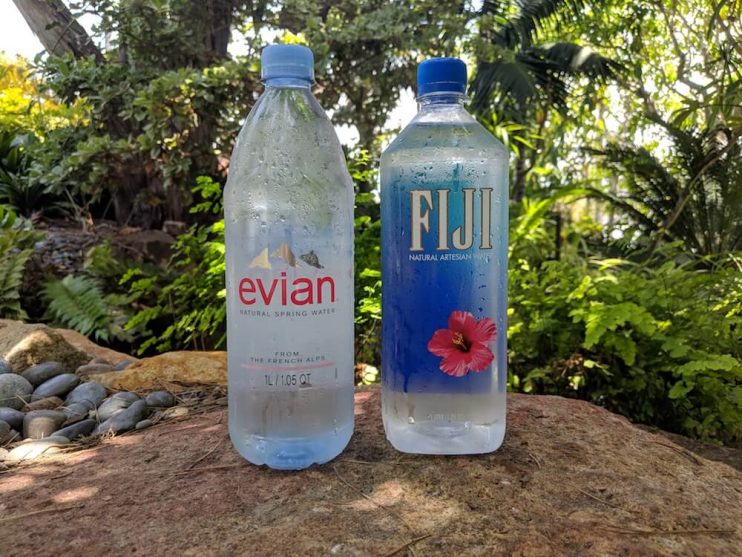
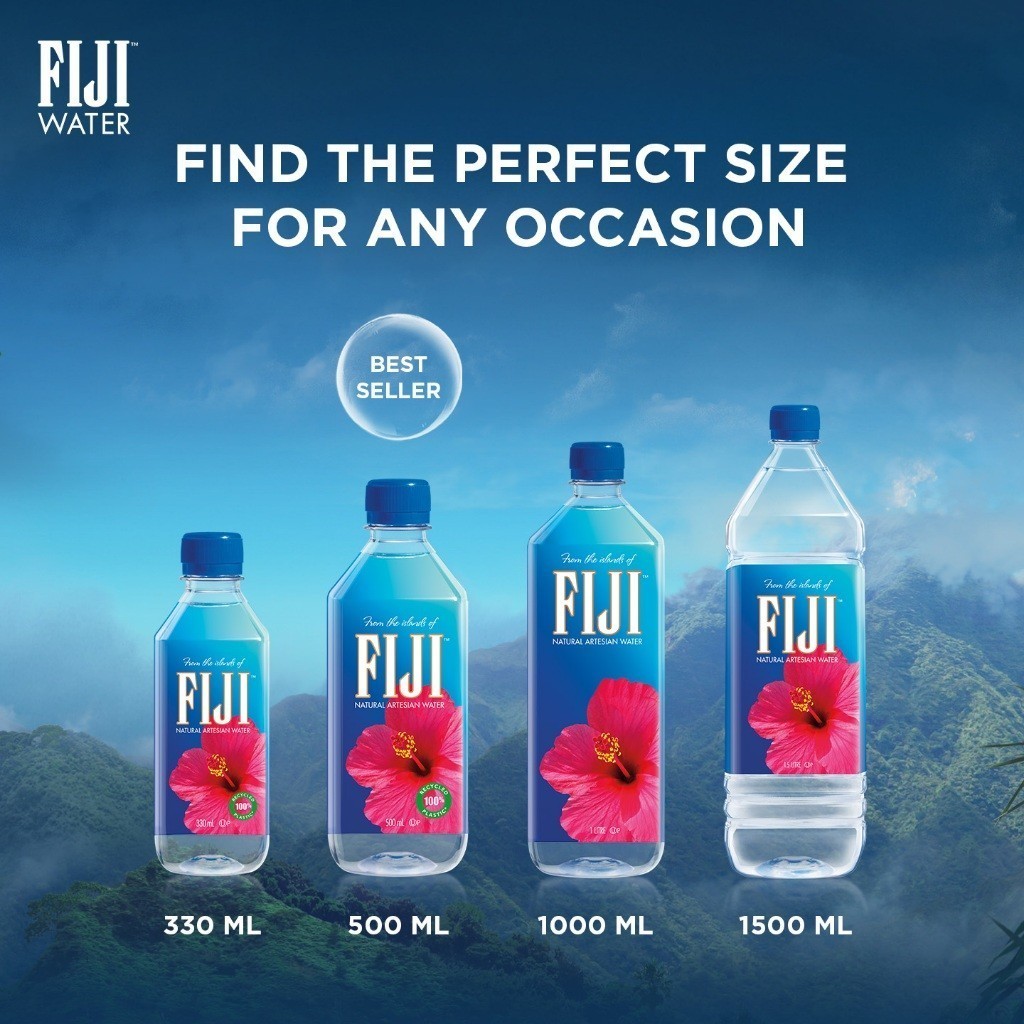
- The Square Bottle: Unlike traditional cylindrical bottles, the distinct square shape stands out visually on retail shelves and restaurant tables.
- Soft-Touch Labeling: The hibiscus flower graphic and muted color palette evoke tropical elegance rather than industrial manufacturing.
- Rigid Plastic Feel: The structural integrity of the bottle communicates durability and higher material quality.
Hollywood Placement and Luxury Positioning
Fiji Water did not become a billion-dollar brand by accident; it was engineered through aggressive, high-end cultural placement. Long before social media influencers became the primary vehicle for luxury marketing, Fiji Water infiltrated Hollywood.
The brand became a staple on movie sets, backstage at award shows, and in the hands of A-list celebrities. This strategy of association shifted the product from a grocery store item to a lifestyle accessory. When consumers saw their favorite actors sipping from the square blue bottle at the Golden Globes or in paparazzi shots, the psychological barrier to paying $3 to $5 for a single serving of water dissolved.
Restaurant and Hospitality Dominance
Beyond Hollywood, Fiji Water secured exclusive contracts with high-end hotels, fine dining establishments, and airlines. By positioning itself alongside fine wines and gourmet dining, the brand successfully separated itself from municipal tap water and cheap competitors.
Navigating Modern Challenges and Criticism
Achieving a $1 billion valuation has not come without controversy. As consumer awareness shifts toward environmental sustainability, luxury bottled water brands face intense scrutiny regarding their carbon footprint.
Shipping water thousands of miles from a Pacific island to shelves in North America, Europe, and Asia inherently requires significant fossil fuels. Furthermore, the use of single-use plastic bottles has drawn ire from environmental groups advocating for circular economies.
Corporate Adaptation
To protect its brand value, Fiji Water’s parent company, Wonderful Company, has invested heavily in sustainability initiatives. These efforts include:
- Transitioning toward recycled PET (rPET) plastics to reduce virgin plastic usage.
- Investing in energy-efficient plant operations in Fiji.
- Funding rainforest conservation projects locally to offset environmental impact.
These pivots are crucial for maintaining the loyalty of eco-conscious consumers who might otherwise abandon the brand over environmental concerns.
The Economic Blueprint of Modern Beverage Brands
Fiji Water’s success offers a clear blueprint for modern consumer packaged goods (CPG) companies. The path to a massive valuation relies on several repeatable principles:
- Create Emotional Resonance: Sell a story, a feeling, or a location, not just functional benefits.
- Design for Visibility: Ensure your product packaging is iconic enough to serve as a visual prop in everyday life.
- Target Cultural Hubs: Align your brand with tastemakers, high-end venues, and luxury cultural events early in its lifecycle.
Ultimately, Fiji Water proved that the intrinsic value of a commodity can be multiplied exponentially through exceptional branding. By turning hydration into a luxury experience, the brand secured its place as a modern business icon.