Filing IRS Form 843 Correctly: The Ultimate Guide
Making a mistake on your taxes or dealing with an unexpected IRS penalty can be frustrating. Fortunately, the IRS provides a mechanism to request refunds for certain overpaid taxes, interest, or penalties. Whether you are an individual taxpayer, a business, or an estate administrator, mastering the ultimate guide to filing IRS Form 843 correctly can help you recover funds that rightfully belong to you.

What Is IRS Form 843?
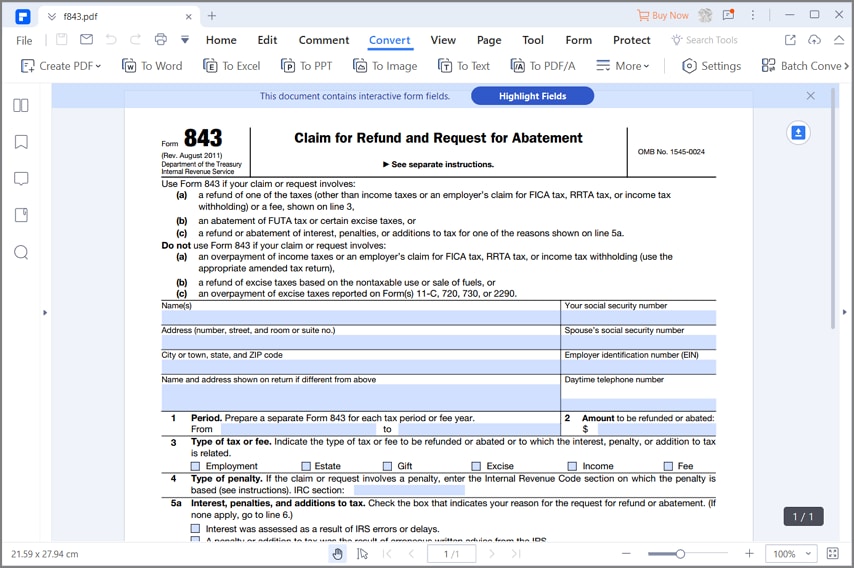
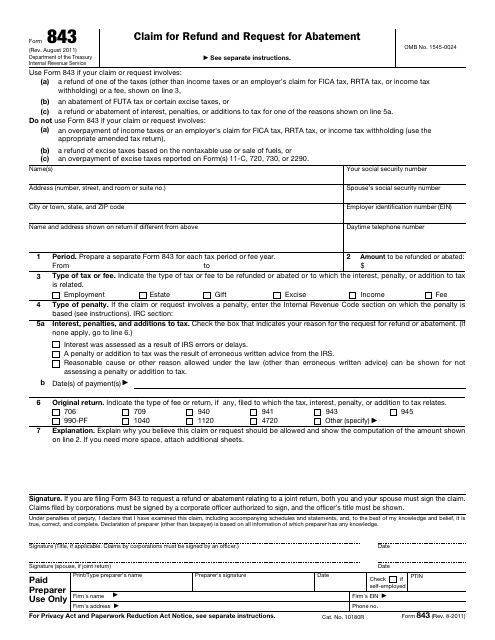
IRS Form 843, officially titled the Claim for Refund and Request for Abatement, is a multi-purpose document used to ask the IRS to refund taxes (other than income taxes), interest, or penalties. It is also used by employers to claim refunds of certain employment taxes.
It is important to note what this form cannot do. You generally cannot use Form 843 to amend an individual or corporate income tax return—for that, you would typically use Form 1040-X or Form 1120-X.
Common Reasons to File Form 843
Taxpayers use Form 843 for a variety of specific scenarios. Before filling out the paperwork, ensure your situation aligns with one of the IRS-approved uses for this document:
- Penalty Abatement: Requesting the removal of penalties due to reasonable cause, such as a natural disaster, serious illness, or reliance on erroneous written advice from the IRS.
- Interest Abatement: Asking to waive interest that accrued due to unreasonable IRS errors or delays in performing a managerial or ministerial act.
- Overpaid FICA or FUTA: Claiming a refund of overpaid Social Security, Medicare, or Federal Unemployment Tax Act taxes.
- Alternative Fuel or Excise Taxes: Claiming refunds on specific excise taxes where no other dedicated form exists.
Eligibility and Time Limits
Timing is critical when submitting a claim to the IRS. If you miss the statutory deadline, your request will be denied regardless of how valid your claim is.
Statute of Limitations for Refunds
Generally, a claim for refund of tax must be filed within 3 years from the date the original return was filed, or 2 years from the date the tax was paid, whichever is later. If no return was filed, the claim must be made within 2 years from the date the tax was paid.
Statute of Limitations for Penalties
For requests to abate or refund a penalty, you must file Form 843 within the period of limitations for assessment of the penalty, or within 2 years from the date the penalty was paid.
Step-by-Step Instructions to Fill Out Form 843
Filling out the form accurately prevents processing delays. Grab a copy of the latest version of Form 843 from the IRS website and follow these steps:
Part 1: General Information

Provide your basic contact information and taxpayer identification details.
- Name and Address: Enter your legal name. If filing jointly, include both names. Provide your current mailing address.
- Identifying Number: Enter your Social Security Number (SSN) for individuals, or your Employer Identification Number (EIN) for businesses and estates.
- Daytime Phone Number: Include a number where the IRS can reach you if they have questions.
- Tax Period: Specify the exact calendar year, quarter, or specific date range for which you are requesting a refund or abatement.
Part 2: Type of Tax, Penalty, or Interest
In this section, you must check the appropriate box indicating what kind of tax or penalty you are disputing.
- Check box 5a if you are requesting a refund of employment tax, estate tax, gift tax, excise tax, or penalty.
- Specify the exact dollar amount of the refund or abatement you are requesting. If you do not know the exact amount, you can write "Specific amount to be determined" or list an estimated figure, though providing an exact calculation speeds up processing.
Part 3: Explanation and Supporting Details
This is the most crucial part of Form 843. Line 7 asks you to explain why you are filing the claim. A vague or incomplete explanation is the number one reason these claims get rejected.
Your explanation should be clear, factual, and legally grounded. If you are claiming reasonable cause for a penalty abatement, explain:
- What happened and when it happened.
- How the event prevented you from complying with your tax obligations.
- How you acted with ordinary business care and prudence once the obstacle was removed.
If the space on the form is insufficient, attach additional typed pages. Make sure to put your name and SSN/EIN on every extra sheet.
Required Supporting Documentation
Never submit Form 843 in isolation. Always back up your claims with documentary evidence. Depending on your situation, this may include:
- Medical records or doctor’s notes (in cases of severe illness).
- Police reports or insurance claims (for natural disasters or theft).
- Copies of written correspondence from the IRS (if relying on erroneous advice).
- Proof of payment showing the date taxes or penalties were paid.
Where to File Your Form
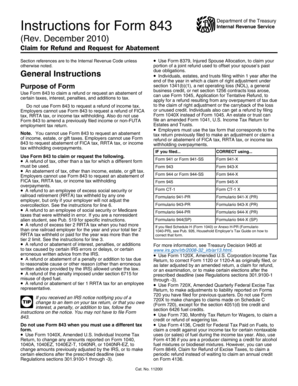
Where you send your completed Form 843 depends entirely on where you live and the type of tax or penalty involved. The IRS provides specific mailing addresses in the instructions for Form 843, organized by state and form type. Always check the most current IRS instructions, as processing centers and mailing addresses occasionally change.
What Happens After You File?
Once submitted, the IRS will review your claim. This process can take anywhere from a few months to over a year, depending on the complexity of the issue. If your claim is approved, you will receive a check or a notice of credit. If your claim is denied, the IRS will issue a formal rejection letter, which will outline your rights to appeal the decision through IRS Appeals or take your case to court.
By carefully following these steps, providing a robust explanation, and including all necessary documentation, you maximize your chances of a successful outcome when filing Form 843.