Find a Live Pet Shop Near Me: Ethical Buying Guide
When you type "live pet shop near me" into a search bar, you are likely looking for more than just a bag of kibble or a chew toy. You are seeking a living, breathing companion to welcome into your home. While finding nearby pet shops takes seconds on a map app, finding a retailer that treats its animals with respect, adheres to animal welfare laws, and prioritizes long-term health requires a closer look.
Purchasing a pet is a long-term commitment that begins with choosing the right provider. Whether you are looking for tropical fish, a reptile, a bird, or a small mammal, here is everything you need to know to locate and evaluate local live pet stores ethically and responsibly.
What to Look for in a Live Pet Shop Near Me
Not all pet retailers maintain the same standards. Visiting a store in person gives you an immediate look at how animals are treated behind the marketing displays. When evaluating a local live pet shop, pay close attention to three critical areas:
1. Habitat Cleanliness and Space
Cages, aquariums, and enclosures should be clean, secure, and appropriately sized. While retail enclosures are temporary, they must still satisfy basic biological needs. Look for:
- Fresh, clean water readily available to every animal.
- Dry, clean bedding without heavy accumulation of waste.
- Adequate room for the animal to turn around, stretch, and hide.
- Species-appropriate temperature and lighting (especially crucial for reptiles requiring UVB and basking spots).
2. Staff Knowledge and Handling
Knowledgeable staff members are one of the most reliable indicators of a reputable store. Approach employees with specific questions about species care, dietary requirements, and adult sizes. A trustworthy shop employs team members who handle animals gently and are willing to talk you out of an impulse purchase if a pet does not fit your lifestyle.
3. Sourcing Transparency
Ask where the animals come from. Responsible independent shops work with reputable, licensed domestic breeders or captive-breeding programs. Be wary of retailers that cannot—or will not—name their suppliers, as this often points to commercial mills or unregulated wild collection.
Pets Commonly Found in Local Pet Stores
Depending on local regulations, the types of live animals available in neighborhood pet stores vary considerably.
Fish and Aquatics
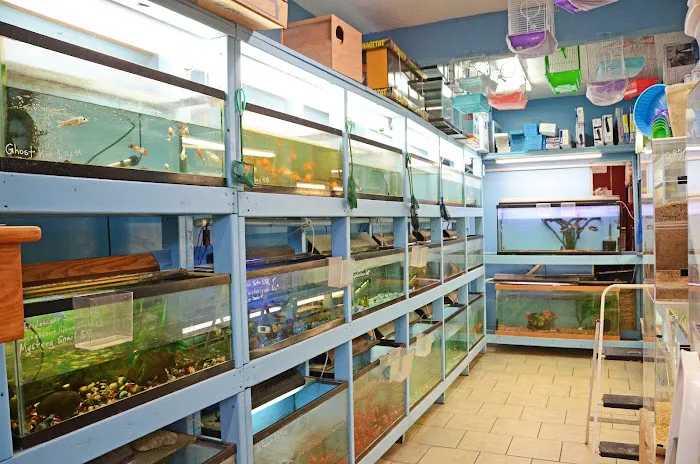
Freshwater and marine fish are the most common animals sold in brick-and-mortar pet shops. Look for clear aquarium water, healthy plant life, and tanks free from dead or floating fish. High-end local fish stores (LFS) often provide healthier stock and far deeper water-chemistry expertise than generalized big-box chains.
Small Mammals
Hamsters, gerbils, guinea pigs, mice, and rats are standard fixtures in many family-focused pet stores. Observe their social conditions: solitary species like Syrian hamsters should generally be housed alone, while social species like guinea pigs and rats thrive best in pairs or groups.

Reptiles and Amphibians
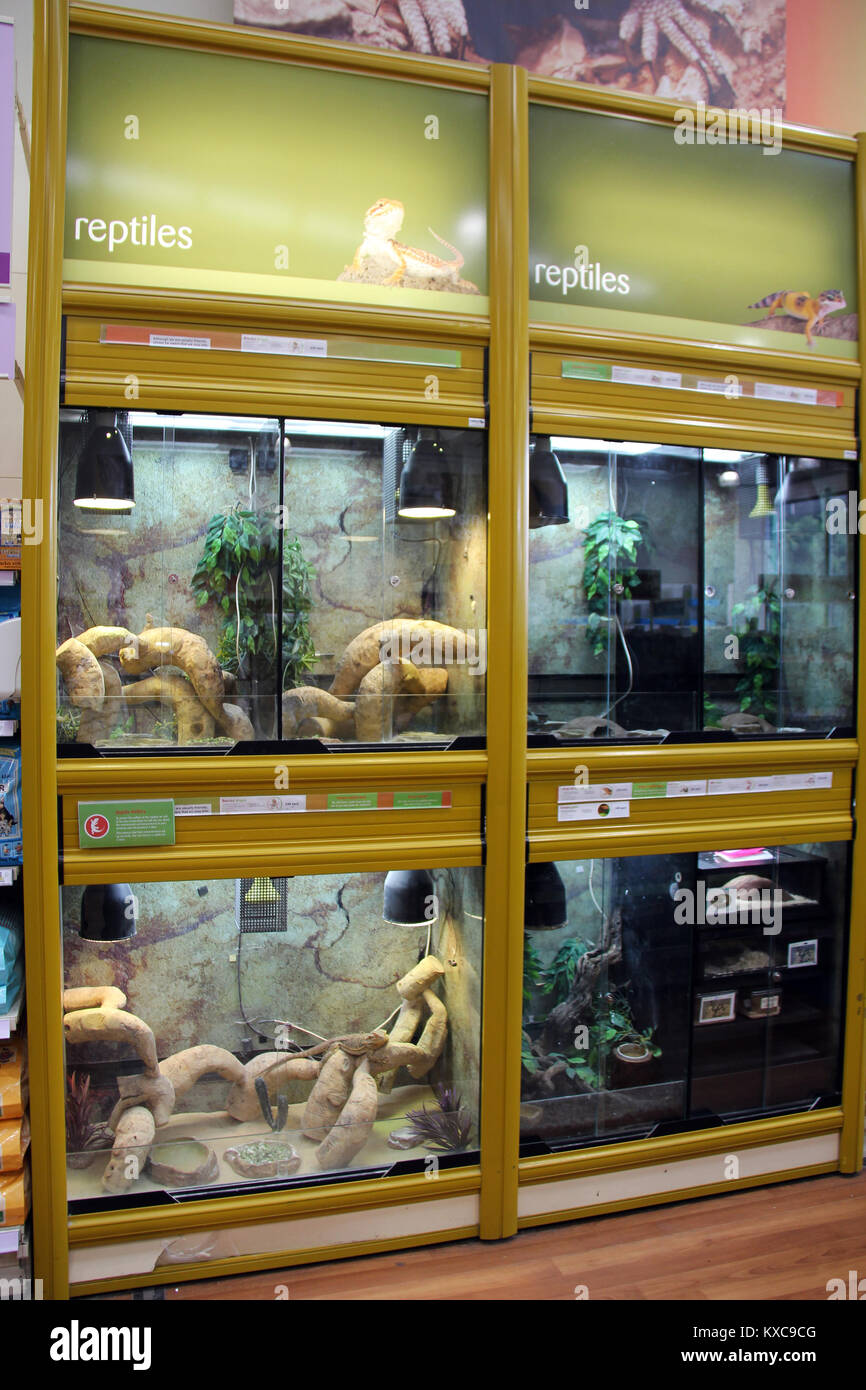
Bearded dragons, leopard geckos, ball pythons, and tree frogs require specialized micro-environments. A well-run reptile department maintains strict humidity levels, provides correct heating gradients, and tracks feeding records openly.
Birds
Parakeets (budgies), canaries, and cockatiels need clean perches, varied seed-and-pellet diets, and room to hop or flutter. Avoid stores where birds show signs of severe feather plucking or are kept in drafty, high-stress entryways.
Dogs and Cats: A Legal Note
In many states, provinces, and municipalities across North America and Europe, retail pet stores are legally prohibited from selling commercially bred puppies, kittens, or rabbits. Instead, reputable retail chains often partner with local animal shelters and foster rescues to host adoption days in-store. If a store is selling purebred puppies straight out of glass display cases, investigate thoroughly, as these animals frequently originate from high-volume commercial breeding facilities (puppy mills).
Health Checklist: Assessing an Animal Before Purchase
Before finalizing your decision, observe the individual animal closely outside of its enclosure, if store policy allows supervised handling. Watch for these clear health indicators:
- Eyes and Nose: Eyes should be bright, open, and clear. There should be no discharge, crust, or cloudiness around the nostrils or eyes.
- Coat and Skin: Mammals should have dense, clean fur without bald patches, scabs, or signs of mites. Reptiles should have intact skin free of retained shed, blisters, or external parasites.
- Breathing: Respiration should be calm and silent. Audible wheezing, clicking, or open-mouthed breathing in reptiles and birds is often a symptom of an upper respiratory infection.
- Alertness and Posture: Even nocturnal animals should show curiosity or responsiveness when gently disturbed. Extreme lethargy, limp posture, or unsteadiness indicates illness.
- Vent Area: Check the vent or rear of the animal. Fecal staining or wetness can indicate dangerous gastrointestinal distress, such as "wet tail" in hamsters.
Essential Questions to Ask Before You Buy
A reputable live pet shop will welcome your inquiries. Take a notebook or your phone and ask the following questions before paying:
- What health guarantee do you provide? Many shops offer a 7- to 14-day warranty covering unexpected congenital conditions or pre-existing illnesses. Ensure this guarantee is provided in writing.
- What is this animal currently eating? Abrupt diet changes cause severe digestive upset in young animals. Buy a small supply of their current food to transition them gradually.
- How old is this animal? Knowing the precise age ensures you feed the correct life-stage diet and arrange timely veterinary checks.
- Has this animal received any preventative treatments? For mammals, ask about deworming or vaccinations; for reptiles, ask about captive-born status versus field collection.
Preparing Your Home Before Bringing Your Pet Back
The most common mistake new pet owners make is purchasing the animal and its housing at the exact same moment. Setting up an enclosure takes time, adjustment, and monitoring.
For fish, this means performing a full nitrogen cycle on your tank weeks before adding livestock. For reptiles, it requires testing heat lamps and thermostats for 48 hours to confirm temperature stability. For birds and small animals, having the cage fully assembled, bedded, and stocked with food prevents unnecessary stress when you return from the store.
Locate an exotic-animal veterinarian in your area ahead of time if you are purchasing anything other than a standard dog or cat. Routine care from a vet who understands the unique physiology of your chosen species is essential for a long, healthy life together.
Make an Informed Choice
Locating a store is easy, but finding the right live pet shop near you means prioritizing animal welfare over sheer convenience. By observing enclosure conditions, verifying ethical sourcing, and asking informed questions, you ensure that your investment supports responsible business practices—and gives your new pet the best possible start in life.