Find Contractor Jobs Near Me: 7 Proven Methods
When you search for contractor jobs near me, you are likely looking for one of two things: steady work as a skilled tradesperson with an established firm, or commercial and residential subcontracts to keep your independent contracting business profitable. The construction sector moves fast, but finding dependable, well-paying gigs in your immediate area requires more than just refreshing generic job boards.
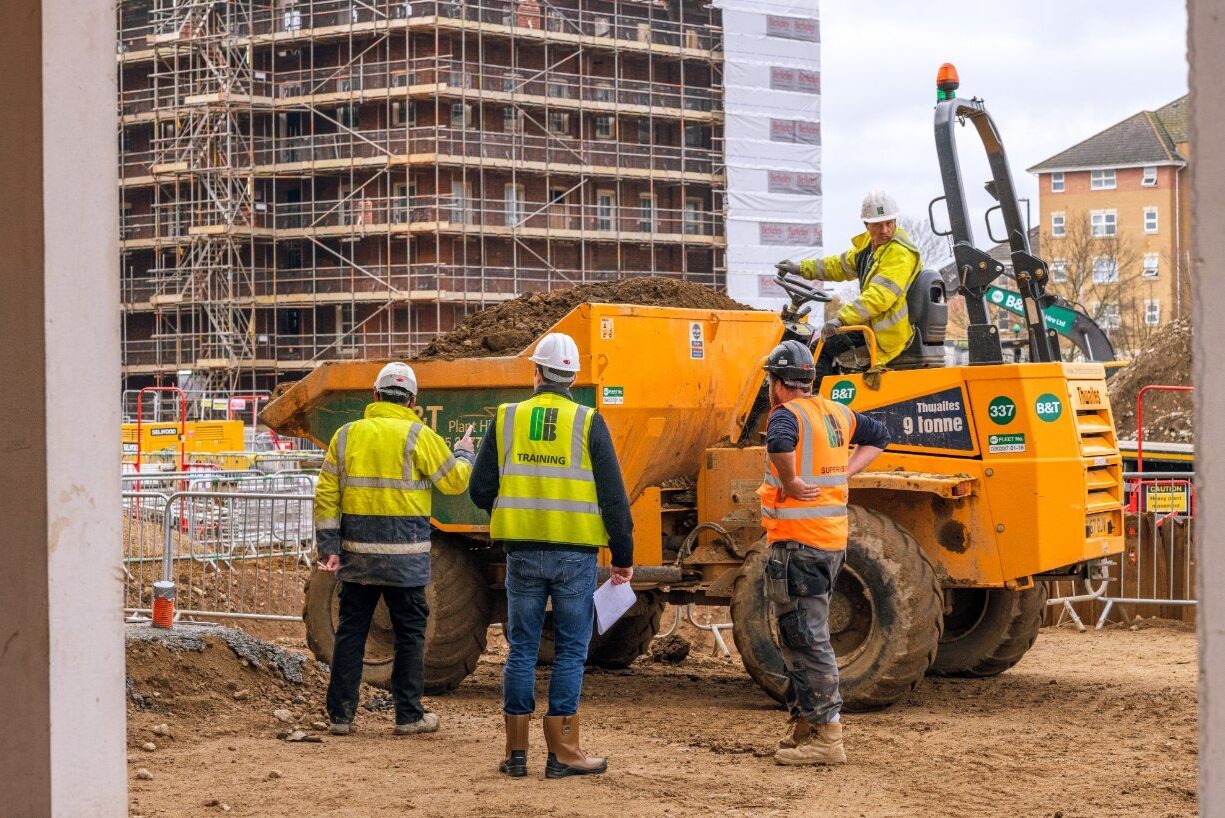
Whether you specialize in carpentry, electrical, plumbing, masonry, or general remodeling, landing consistent work comes down to knowing where project managers post active openings and how to position yourself as a reliable professional. Here is a field-tested roadmap to finding local contractor jobs and maintaining a full project calendar.
Top Platforms for Finding Contractor Jobs Near Me
Finding local opportunities starts with using platforms built specifically for construction bidding and trade hiring, rather than general employment portals alone.
1. Commercial Plan Rooms and Bid Networks
If you run an independent trade business or work as an independent subcontractor, commercial construction networks are your most lucrative channel. General contractors (GCs) use these platforms to find trade partners for multi-family, commercial, and municipal builds.
- BuildingConnected: One of the most widely used platforms by commercial general contractors to send invitations to bid (ITBs) to qualified local subs.
- Dodge Construction Network: Ideal for tracking commercial projects from early planning through the active bidding phase in your county.
- ConstructConnect (iSqFt): A comprehensive platform where commercial estimators upload plans, specifications, and trade packages seeking regional bids.
2. Niche Construction Job Apps
If you want hourly, daily, or long-term contract employment with an existing crew, consumer job search engines often lag behind specialized mobile networks:
- Trade Hounds: A professional community designed specifically for skilled tradespeople, featuring a dedicated job board where local contractors recruit carpenters, electricians, welders, and heavy equipment operators.
- Skillit: A platform focused on vetting and connecting craft workers directly with commercial general contractors and large trade contractors without agency markups.
- Indeed & ZipRecruiter: While broad, using search operators like "independent contractor", "1099 sub", or "licensed tradesman" alongside your zip code filters out entry-level retail or delivery gigs.
Partnering Directly with Local General Contractors
The highest-margin subcontracts rarely make it to public job boards. Top general contractors prefer to work with a trusted list of subcontractors to minimize risk and avoid project delays.
To get placed on local GC bid lists:
- Identify the active builders in your market: Drive around growing commercial corridors and residential subdivisions. Note the GC names on job site fence banners and development signage.
- Contact the prequalification department: Call the main office and ask for the estimating or preconstruction manager. Request their standard subcontractor prequalification packet.
- Provide ready documentation: Expedite your onboarding by having your Certificate of Insurance (COI), W-9, state contractor license, and safety records (OSHA documentation or EMR rating) bound into a single digital PDF.
- Start with punch-list or emergency work: If a GC's primary drywaller or HVAC tech fails to show up, be the responsive professional who steps in to finish the job. Delivering on a tight deadline often earns you a permanent spot in their rotation.
Tapping into the Offline Trade Network

Construction remains a relationship-driven industry. Some of the best-paying contractor jobs in your immediate vicinity are found through daily real-world interactions.
Visit Wholesale Supply Counters
Supply houses—such as electrical distributors, plumbing supply branches, lumber yards, and commercial paint stores—are natural information hubs. Pro-desk personnel speak with project managers and site supers every morning. Introduce yourself, leave business cards, and check the community boards often mounted near the pickup counters.
Monitor Municipal Building Permits
Most city and county building departments publish weekly or monthly lists of approved building permits online. These public records detail the property address, project type, valuation, and the registered general contractor on record. Reaching out to a GC within days of their permit approval lets you pitch your trade package before they finalize subcontracts.
Requirements You Need in Place Before Bidding Local Gigs
To win contracts quickly and protect your business, ensure your professional foundation meets local statutory standards before reaching out to prospective clients or GCs:
- State and Local Licensing: Verify your trade or general contracting license is up to date with your state licensing board and local municipal licensing office.
- Commercial Insurance Coverage: Most prime contractors require a minimum of $1,000,000 to $2,000,000 in Commercial General Liability (CGL) coverage, alongside active Workers' Compensation insurance, even for small teams.
- A Standard Subcontract Agreement: Never work on a verbal agreement. Maintain a clear, written agreement that details the scope of work, material allowances, change-order protocols, and specific payment milestones (such as weekly draws or Net-30 terms).
Vetting Local Contractor Jobs: Red Flags to Avoid
Not every job offer is worth taking. Unscrupulous project managers or financially unstable builders can leave you with unpaid labor and wasted materials. Watch out for these warning signs:
- Vague Scopes of Work: If the client or GC cannot provide written architectural plans, clear specifications, or a defined boundary of where your scope ends, expect scope creep that eats your profit.
- Slow Pay Reputation: Before signing with a new GC, check public court records for mechanics lien filings or contractor disputes. Talk to other local subcontractors to verify whether the firm pays promptly upon milestone approval.
- Pressure to Skip Permits: Never take on structural, electrical, plumbing, or major mechanical work if the primary contractor or property owner refuses to pull the required municipal permits. Doing so can expose you to personal liability, regulatory fines, and voided insurance coverage.
Building a Steady Pipeline for the Future
The goal of searching for contractor jobs near you is to build a reputation that eventually brings the work directly to your doorstep. Treat every subcontract as a marketing opportunity: arrive on schedule, maintain a clean job site, communicate proactively when material delays arise, and finish punch lists promptly. Once local project managers know you deliver dependable craftsmanship without management headaches, you spend less time searching for work and more time billing billable hours.


.png work from home banner.png)


.png)
