Find the Best Phlebotomy Job Near Me: Ultimate Guide
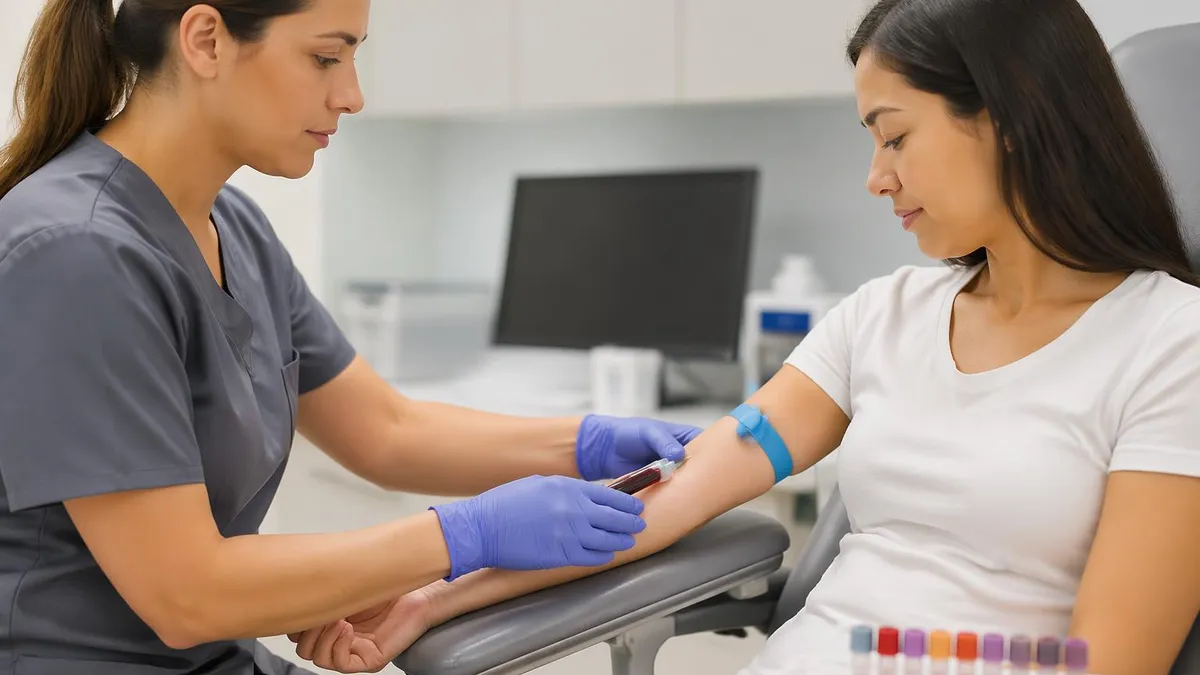
Entering the healthcare field as a blood collection specialist is both rewarding and practical. If you are currently searching for a phlebotomy job near me, you are looking at a profession experiencing steady, reliable growth. Hospitals, independent laboratories, plasma donation centers, and physician offices constantly need trained professionals to draw blood for diagnostic testing, transfusions, and research.
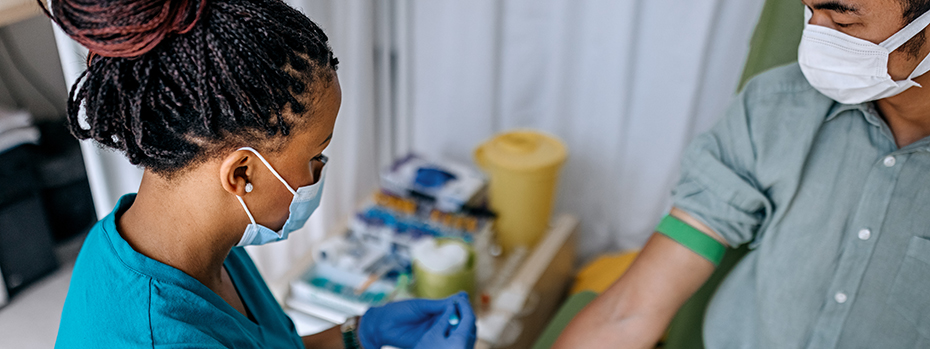
Landing the right position requires more than just submitting a generic resume. To secure a stable schedule, competitive pay, and strong benefits, you need to know where to look, how to market your skills, and what local employers expect from applicants.
Understanding the Local Phlebotomy Job Market
Phlebotomy is one of the fastest entry points into the medical industry. Because every medical facility relies on blood work, opportunities exist in almost every zip code. However, the types of work environments and pay rates can vary significantly depending on your location and the healthcare infrastructure around you.
Where to Find Phlebotomy Openings
When searching your local area, cast a wide net across different types of medical facilities. Not all phlebotomists work in traditional hospital wards. Consider exploring:
- Hospitals and Medical Centers: Offer steady hours, comprehensive benefits, and diverse patient populations, though they often require overnight or weekend shifts.
- Diagnostic Laboratories: Companies like Quest Diagnostics and Labcorp have numerous patient service centers (PSCs) locally, offering structured routines and daytime hours.
- Plasma Donation Centers: High-volume environments that are often great for building speed and handling difficult veins.
- Mobile Phlebotomy Services: Companies that send collectors to patients' homes or nursing facilities, ideal for independent workers who enjoy driving and autonomy.
- Urgent Care Clinics: Fast-paced settings where phlebotomists often cross-train in basic medical assisting or front-desk duties.
- The total number of successful venipunctures or fingersticks performed during your clinical rotation or past employment.
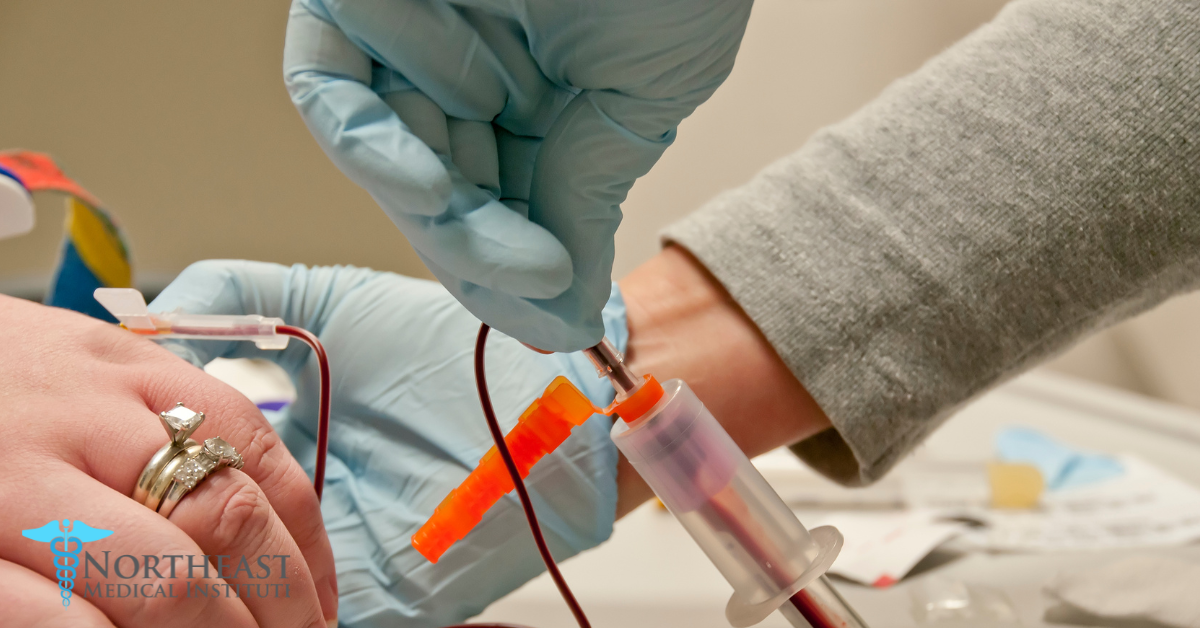
- Familiarity with specific equipment, such as butterfly needles, vacutainer systems, and pediatric collection tools.
- Soft skills like patient communication, empathy, and working calmly under pressure.
- Certifications, CPR/BLS training, and up-to-date immunizations.
Steps to Land a Local Healthcare Role
Securing a position involves a mix of proper credentials, a targeted job search strategy, and a strong interview presentation. Follow these steps to streamline your job hunt.
1. Verify Your Certification and Credentials
While some states do not legally mandate certification to draw blood, nearly all reputable employers prefer or require it. Holding a credential from a recognized organization—such as the American Society for Clinical Pathology (ASCP), the National Healthcareer Association (NHA), or the American Medical Technologists (AMT)—makes your resume stand out immediately. If your certification is pending or expired, look for local clinics offering on-the-job training or conditional hiring programs.

2. Optimize Your Resume and Online Profiles
Your resume should highlight your technical skills and practical experience. Be sure to include:
Ensure your LinkedIn profile and job board accounts (Indeed, ZipRecruiter) have location alerts set up so you receive instant notifications when new local positions are posted.
3. Leverage Local Networking
Many healthcare positions are filled before they are ever publicly advertised. Reach out to classmates from your phlebotomy training program who are already working in the field. Ask them if their facilities are hiring. Attending local healthcare job fairs or joining regional chapters of medical assistant associations can also connect you directly with hiring managers.
What to Expect from Salary and Shifts
Pay rates for blood collection specialists depend heavily on geography, cost of living, and experience level. Entry-level collectors usually start near local minimum wage or slightly above, while experienced professionals in high-demand metro areas can earn significantly more. Shift differentials (extra pay for working nights, weekends, or holidays) can also boost your weekly take-home pay.
When evaluating local offers, look beyond the hourly wage. Consider parking costs at major hospitals, health insurance coverage, tuition reimbursement programs, and opportunities for overtime. A slightly lower base pay at a facility with excellent benefits and career advancement potential is often a smarter long-term career move.
Ace the Interview
Once you secure an interview, prepare to discuss patient care scenarios. Managers want to know how you handle difficult patients, such as children, anxious adults, or individuals with difficult veins. Emphasize your commitment to safety, strict adherence to OSHA guidelines, and proper specimen labeling to prevent costly lab errors. Demonstrating a patient-first attitude will assure local employers that you are ready to hit the ground running.