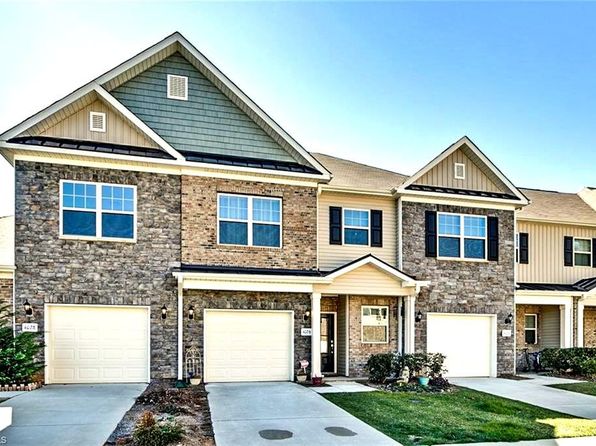
Find Townhouses for Rent by Private Owners
Finding the right rental often feels like navigating a maze of corporate property management firms, automated email responses, and hidden administrative fees. For renters who crave more living space, a private garage, and a direct human connection, searching for townhouses for rent by private owners offers a compelling alternative. Townhouses bridge the gap between apartment living and single-family homes, while private landlords provide a level of flexibility that large corporations rarely match.

However, securing a privately managed townhouse requires a different strategy than applying to a commercial apartment complex. Here is everything you need to know about where to find private listings, how to evaluate landlords, and how to position yourself as the ideal tenant.
Why Choose Townhouses for Rent by Private Owners?
Opting for a private landlord—often referred to as an independent or "mom-and-pop" owner—comes with distinct advantages, especially when paired with the townhouse lifestyle.
- Flexible Screening and Terms: Corporate property management companies rely on strict automated scoring models. If your credit score falls two points below their cutoff or you have non-traditional freelance income, your application is automatically declined. Private owners usually evaluate your entire profile. If you have solid references, steady income, or can offer an extra month's deposit, an independent owner is much more likely to work with you.
- Fewer Junk Fees: Large apartment operators frequently tack on mandatory fees for trash valets, online portal access, pest control, and administrative setups. Independent owners generally keep costs straightforward: rent, security deposit, and actual utility expenses.
- Direct Communication: When an issue arises, you deal directly with the person who owns the property. You do not have to submit a maintenance ticket into an automated queue and wait days for a corporate regional manager to approve a simple plumbing repair.
- The Townhome Advantage: Compared to standard apartments, townhouses generally offer multi-story layouts, private entrances, dedicated parking or garages, and small patios or yards. Because townhomes share side walls rather than ceilings and floors, they are significantly quieter than mid-rise apartment units.
The Best Places to Find Private Townhouse Listings
Private owners rarely have the advertising budgets of national property management firms. To find them, you need to look where independent individuals advertise.
1. Filter Established Rental Portals
Major platforms like Zillow, Trulia, and HotPads host thousands of rental listings, but you must know how to filter them. On Zillow, look for the listing type filter and select "By Owner" (or look under listing details to see whether an agent/broker or the owner listed the property). Read the property description carefully; phrases like "family-owned" or "managed directly by owner" are clear indicators.
2. Local Community Groups and Classifieds
Many independent owners prefer to rent to people connected to their local community. Check platforms such as:
- Facebook Marketplace & Neighborhood Groups: Search for townhomes within specific neighborhood buy/sell/rent groups. You can often see the landlord's personal profile, giving you an immediate sense of who you are dealing with.
- Nextdoor: Residents frequently post rental properties before listing them publicly. You can also post an ISO ("In Search Of") message describing your family or household and your desired move-in date.
- Craigslist: While caution is required due to spam, many older, established landlords still use Craigslist exclusively because it is free and simple.
3. Drive or Walk Target Neighborhoods
Some of the best privately owned townhouses never hit the internet. Walk or drive through townhouse developments and historic neighborhoods where you want to live. Look for physical "For Rent" signs posted in windows or front yards with local phone numbers. These properties often come with below-market rents because the owners prioritize finding a good, quiet tenant over maximizing top-dollar market rates.
How to Spot Rental Scams and Protect Yourself

Because private transactions lack the formal oversight of an established leasing office, scammers frequently target renters looking for independent landlords. Protect yourself by following these essential safety practices:
- Verify Public Tax Records: Every county has an online property appraiser or tax assessor database. Search the townhouse address to confirm the legal owner's name. If the person claiming to rent you the property has a completely different name than the registered deed owner, ask for clarification.
- Never Send Funds Before an In-Person Tour: Scammers frequently claim they are out of state for missionary work, military deployment, or medical emergencies. They will offer to mail you the keys once you transfer a deposit via Zelle, Venmo, or wire transfer. Never hand over money without walking through the interior of the home with the owner or their licensed local representative.
- Beware of Unusually Low Pricing: If similar townhouses in the neighborhood rent for $2,400 per month, and a listing appears for $1,400 with pristine photos, it is almost certainly a scam designed to harvest deposits from eager renters.
Questions to Ask Before Signing the Lease
While renting from a private owner offers numerous advantages, independent management styles vary wildly. Some owners are proactive and organized, while others struggle with maintenance. Ask these questions during your walkthrough:
How Are Maintenance Requests Handled?
Ask the owner who handles repairs. Do they hire licensed contractors, or do they perform repairs themselves? If they handle repairs personally, ask what happens if an urgent issue—such as an air conditioner breakdown or water leak—occurs over a weekend or while they are traveling.
What Are the Homeowners Association (HOA) Rules?
Most townhouses belong to an HOA. As a tenant, you will be bound by community bylaws even if you do not pay the HOA dues directly. Request a copy of the rules before signing. Pay close attention to regulations regarding:
- Designated parking spots and guest parking limits
- Trash bin placement and pickup schedules
- Pet breed or weight restrictions
- Exterior modifications (such as patio furniture or satellite dishes)
How Is Rent Collected?
Confirm their preferred payment method. While some private landlords use modern tenant platforms like TurboTenant, Cozy, or Baselane, others prefer direct bank transfers, checks, or electronic transfers. Ensure the payment method provides a clear, paper-trailed receipt for every transaction.
How to Present Yourself as a Qualified Tenant
Because private landlords are risking their own personal asset rather than an asset belonging to a faceless real estate trust, their primary goal is risk mitigation. They want a tenant who will pay rent reliably and treat the townhouse with care.
To win over a private landlord in a competitive market, assemble a comprehensive tenant package in advance:
- Proof of Funds: Have recent pay stubs, W-2s, or bank statements organized in a single PDF.
- Rental References: Include names and direct phone numbers of your previous two landlords. A glowing reference from a previous private landlord carries immense weight.
- Pet Resume: If you have pets, provide vaccination records, a photo, and a short note describing their temperament and training.
- A Concise Introduction: Include a polite, professional message explaining who will be living in the home, your occupations, and why you are moving.
By taking an organized approach, conducting thorough due diligence, and searching across both digital platforms and physical neighborhoods, you can secure a quality townhouse and enjoy the peace of mind that comes with a responsive, reasonable private landlord.