Find Your Idiom Style with Our Guide
Language is rarely just literal. From the casual banter of a coffee shop to the polished prose of a best-selling novel, humans naturally weave figurative expressions into their speech. These fixed phrases—known as idioms—add color, emotion, and cultural resonance to what we say. But just like fashion or interior design, people gravitate toward different types of figurative language. Whether you lean toward vivid imagery, workplace jargon, or historical turns of phrase, it is time to find your idiom style with our guide.
Understanding your personal idiom style helps you communicate with greater authenticity. It ensures your writing doesn't sound overly academic or dry, and it helps you connect with diverse audiences. Let's explore the major categories of idiomatic expressions and how you can identify which ones best fit your voice.
The 4 Core Idiom Styles Explained
Idioms are generally categorized by their origins and the mental imagery they evoke. By examining these categories, you can determine which style feels most natural to your personality and communication goals.
1. The Visual & Nature-Based Style
If you love painting pictures with your words, you likely lean toward nature- and animal-based idioms. These expressions draw on concrete imagery from the physical world to explain abstract concepts. Speakers with this style appreciate descriptive language that instantly triggers a mental snapshot.
Common examples include:
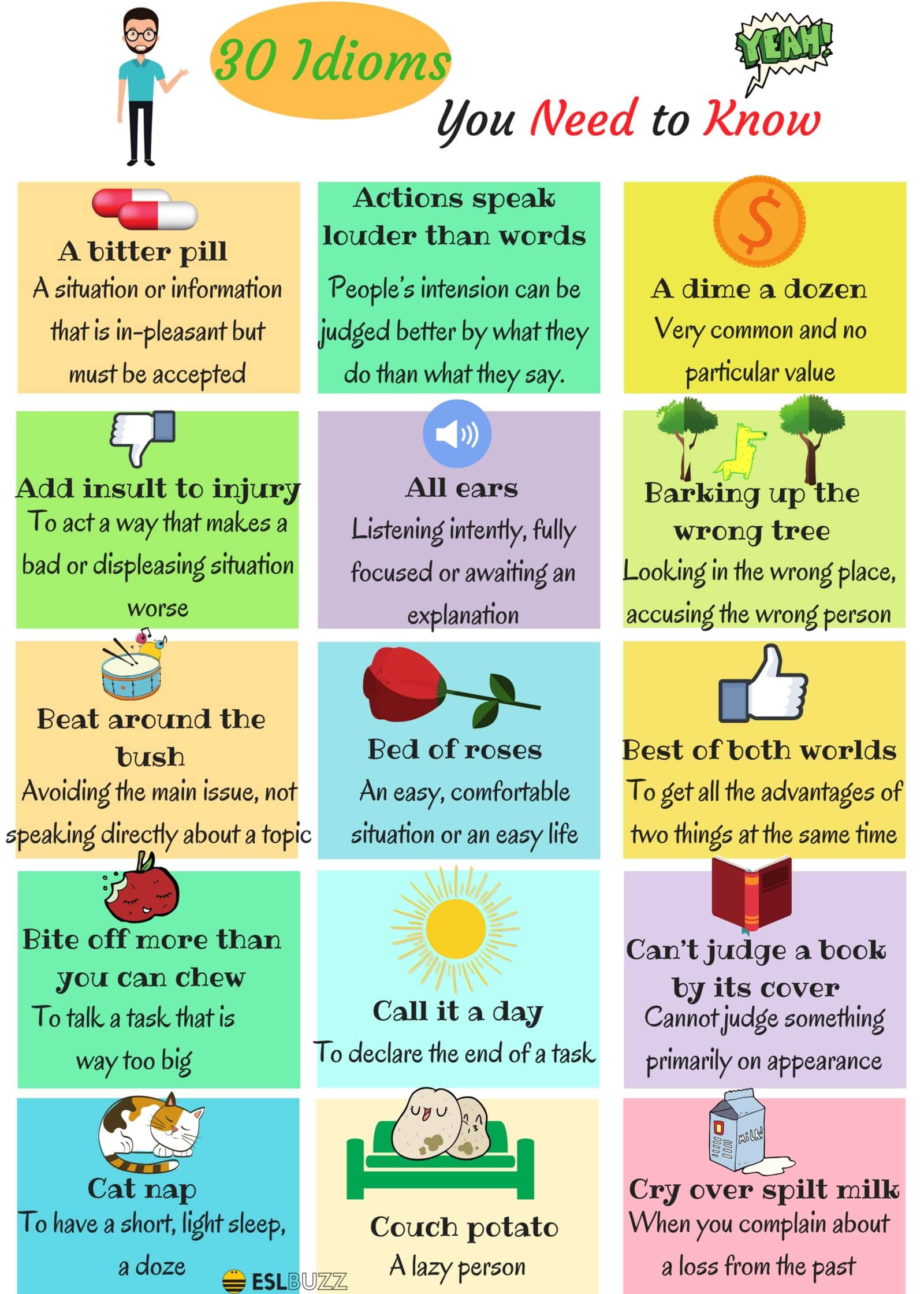
- "Barking up the wrong tree" (pursuing a mistaken line of inquiry)
- "A breath of fresh air" (something new and revitalizing)
- "The tip of the iceberg" (a small visible part of a much larger problem)
Best for: Creative writing, storytelling, marketing copy, and casual conversation where you want to keep listeners engaged through vivid imagery.
2. The Pragmatic & Action-Oriented Style
Do you prefer getting straight to the point while still keeping things conversational? The action-oriented idiom style focuses on movement, physical tasks, and practical outcomes. People who use this style are often viewed as decisive, grounded, and energetic.
Common examples include:
- "Bite the bullet" (to face a difficult situation with courage)
- "Cut to the chase" (to get to the point without wasting time)
- "Burn the midnight oil" (to work late into the night)
Best for: Business communication, motivational speaking, productivity content, and leadership roles where clarity and drive matter most.
3. The Quirky & Humorous Style
If your communication relies heavily on wit, irony, and lighthearted exaggeration, your idiom style is likely quirky and humorous. These expressions often sound bizarre if translated literally, making them memorable and entertaining.
Common examples include:

- "Cat got your tongue?" (why are you silent?)
- "Pigs might fly" (something that will never happen)
- "Bouncing off the walls" (having too much energy)
Best for: Podcasting, blogging, social media content, and building rapport with peers through humor and relatable observations.
4. The Wise & Philosophical Style
Some expressions carry the weight of centuries, drawing on historical events, literature, or timeless human observations. If you enjoy sharing wisdom, counseling others, or writing thoughtful essays, this style will resonate with you.
Common examples include:
- "Rome wasn't built in a day" (great things take time)
- "The grass is always greener on the other side" (other people's situations always look better)
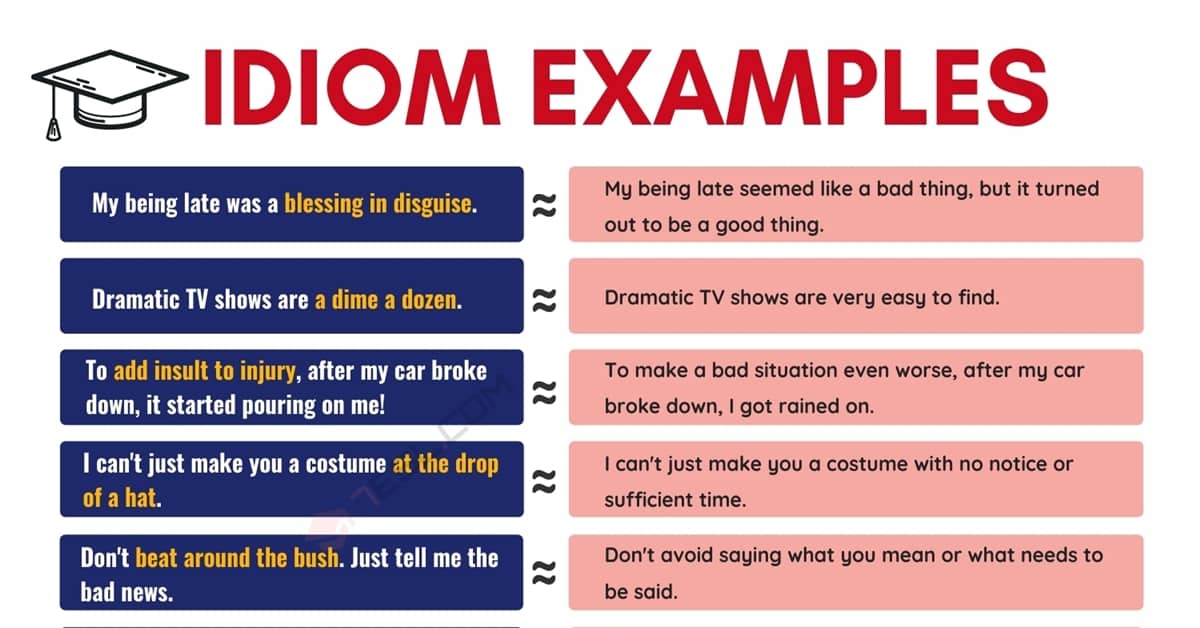
- "A blessing in disguise" (a good thing that seemed bad at first)
Best for: Opinion pieces, mentoring, personal development, and thoughtful narrative writing.
How to Find Your Idiom Style with Our Guide
Now that you know the primary categories, how do you pinpoint your own preferences? Finding your signature voice with idioms requires a mix of self-reflection and experimentation. Follow these three steps to define your approach.
Audit Your Current Communication
Look back at your recent emails, journal entries, or transcripts of your spoken conversations. Which expressions do you find yourself repeating? Are you constantly telling colleagues to "touch base" (action-oriented), or do you catch yourself saying things are "dropping like flies" (visual)? Your subconscious habits reveal your default style.
Match Your Style to Your Audience
Your idiom style shouldn't just reflect who you are; it needs to serve your listeners or readers. A corporate report requires a different lexicon than a personal blog post. Use this quick reference to align your style with your context:
- Formal Settings: Keep idioms minimal. When you do use them, stick to widely accepted pragmatic phrases (e.g., "back to the drawing board").
- Creative Settings: Lean heavily into visual and quirky idioms to build strong emotional connections and entertain your audience.
- Cross-Cultural Settings: Exercise caution. Heavy idioms can confuse non-native speakers, so opt for universally understood phrases or plain language instead.
Avoid Over-Reliance and Clichés
The biggest trap in using idioms is leaning on tired clichés. If every other sentence features a worn-out phrase, your writing can feel lazy rather than expressive. Balance your signature idiom style with fresh, original phrasing to keep your audience engaged.
Final Thoughts
Idioms are the seasoning of the English language. They add flavor, texture, and personality to otherwise plain sentences. By taking the time to find your idiom style with our guide, you can elevate your writing, speak with greater confidence, and develop a distinct communication voice that truly stands out. Experiment with different categories, pay attention to your audience, and most importantly, have fun playing with the endless possibilities of figurative language.