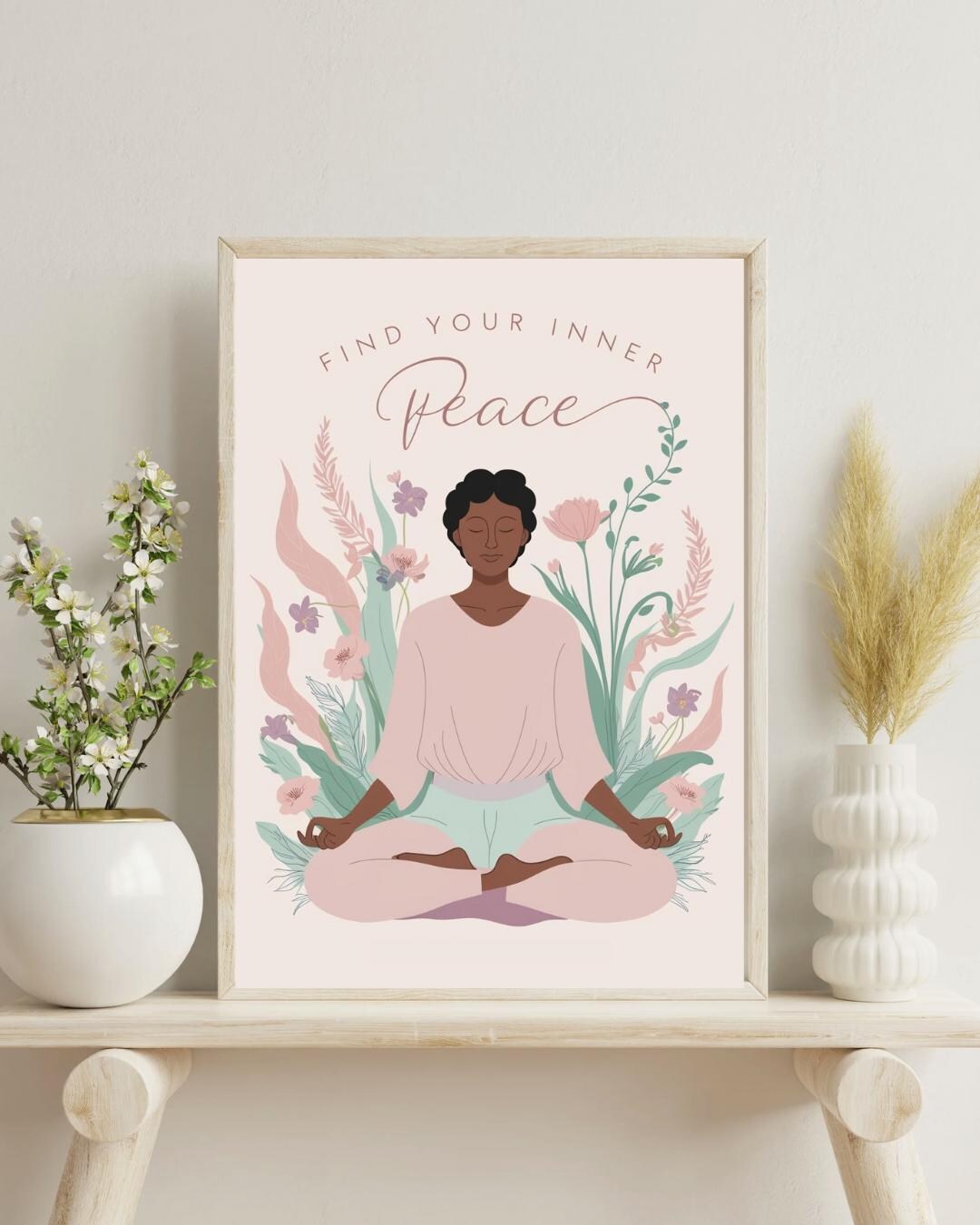
Find Your Inner Peace with 21st Century Aesthetic
Modern life moves at a relentless pace. Between endless notifications, professional demands, and the constant hum of digital noise, our minds rarely get a moment to truly rest. Yet, the very era that causes this overstimulation also offers a unique antidote: modern design philosophy. When curated thoughtfully, your physical and digital surroundings can become powerful tools to find your inner peace with 21st century aesthetic principles.

The Evolution of Modern Tranquility
In past centuries, sanctuary meant escaping to a secluded cabin or a traditional Zen garden far away from society. Today, true tranquility must exist within our urban apartments, suburban homes, and digital devices. The 21st-century aesthetic is not just about clean lines and neutral color palettes; it is a holistic approach to living that marries technological convenience with intentional simplicity.
This design movement recognizes that our environments directly impact our mental health. Cluttered spaces often translate to cluttered minds. By shifting our focus toward intentional curation, we create breathing room for our thoughts, lowering cortisol levels and fostering a profound sense of calm.
Core Elements of a Mindful Modern Space
Creating a peaceful environment requires a deliberate approach to what you allow into your living sphere. Here are the foundational pillars of building a contemporary sanctuary:
1. Intentional Minimalism
True minimalism is not about living with bare walls and zero possessions. Instead, it is about keeping only what adds genuine value or joy to your daily life. Invest in multi-functional furniture, hide away unsightly cables, and give every cherished item enough breathing room to be appreciated.
2. Biophilic Design and Natural Light
We are biologically wired to connect with nature, yet we spend up to 90% of our time indoors. Integrating biophilic design—bringing the outdoors in—is a hallmark of current interior trends. Maximize natural daylight by ditching heavy drapes for sheer linens, and introduce resilient indoor plants like snake plants, fiddle-leaf figs, or trailing pothos to purify the air and soften rigid architectural lines.
3. Sensory Minimalism and Acoustics

Aesthetic is visual, but peace is multisensory. Modern urban living exposes us to a barrage of low-level sounds that exhaust our nervous systems. Consider introducing soft textures like boucle, wool, and linen to absorb ambient sound. Pair this with a smart speaker playing ambient soundscapes, white noise, or lo-fi beats to drown out erratic street noise.
Curating Your Digital Environment
You cannot achieve genuine serenity if your physical home is a zen temple while your smartphone is a chaotic battlefield. Digital clutter is just as taxing on your mental health as physical mess.
- App Auditing: Delete apps you haven't used in the last three months. Keep your home screen free of red notification badges by turning off non-essential alerts.
- Monochromatic Interfaces: Consider switching your phone display to grayscale. This single adjustment drastically reduces the psychological pull of brightly colored app icons designed to capture your attention.
- Scheduled Disconnects: Designate specific tech-free zones in your home, such as the dining table and the bedroom, allowing your brain to transition out of a constant state of hyper-vigilance.
Lighting as an Emotional Anchor
Harsh overhead fluorescent lighting mimics the glaring midday sun, keeping our bodies in a perpetual state of alertness long after dark. A key aspect of modern wellness design is circadian lighting.
Swap out harsh white bulbs for smart bulbs that shift color temperature throughout the day. In the morning, utilize cool, energizing light to wake up naturally. As evening approaches, transition your home to warm, amber hues (below 2700K). This signals to your brain that the workday is over, encouraging the natural production of melatonin and preparing your nervous system for deep rest.
Daily Rituals in a Modern Setting
An aesthetic space serves as the stage for your daily mindfulness practices. You do not need hours of silent meditation to experience inner calm; small, intentional rituals integrated into your day are often more sustainable.
- The Morning Coffee/Tea Ritual: Instead of scrolling through news feeds while drinking your morning caffeine, sit by your sunlit window and focus entirely on the taste, warmth, and aroma of your beverage.
- The Evening Reset: Spend just ten minutes before bed returning items to their designated places. Waking up to a clean, orderly space sets a peaceful tone for the following morning.
- Mindful Transitions: When moving from your home office space to your living area, take a moment to change your clothes or wash your hands, symbolizing a physical boundary between productivity and rest.
Conclusion
Finding serenity in the modern age does not require abandoning technology or living like a hermit. By intentionally shaping your physical surroundings, curating your digital consumption, and prioritizing sensory calm, you can successfully navigate the complexities of modern life while cultivating a deep, lasting sanctuary within your own four walls.