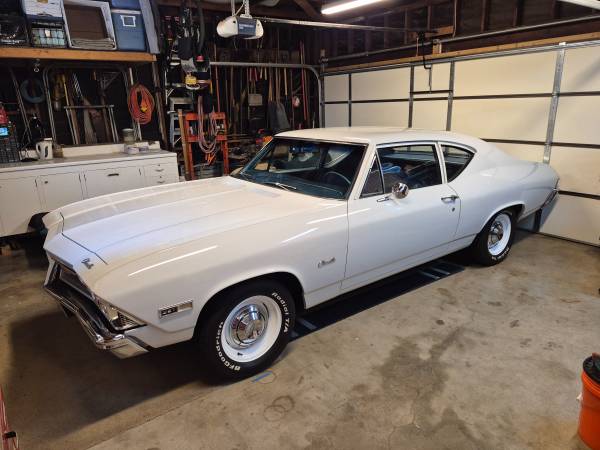
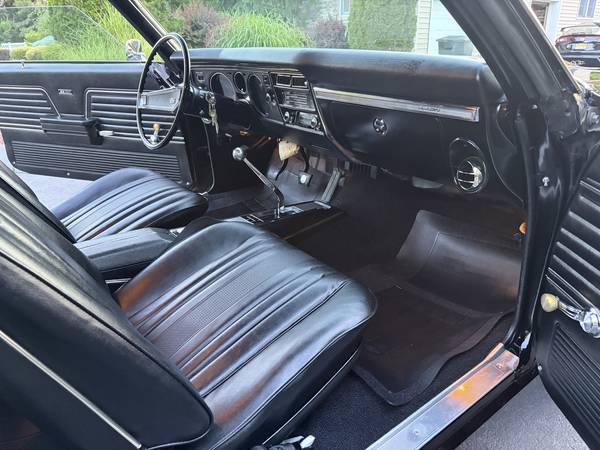
Finding a Chevelle For Sale by Owner on Craigslist
Navigating Craigslist to Find a Classic Chevelle

For classic car enthusiasts, the Chevrolet Chevelle remains one of the most iconic muscle cars ever produced. Whether you are hunting for a sleek 1970 SS 454 or a milder 350-powered Malibu cruiser, browsing a craigslist chevelle for sale by owner listing is often the best way to bypass dealer markups. Private sellers usually offer more room for negotiation and a clearer history of how the car was maintained.
However, buying a vintage vehicle through an online classified site requires caution. Craigslist does not verify listings, meaning buyers must navigate a landscape filled with both genuine barn finds and sophisticated online scams. This guide will walk you through searching effectively, avoiding common pitfalls, and inspecting a classic Chevelle in person.
How to Search Craigslist Like a Pro
Craigslist spans hundreds of local markets, and a great deal in a neighboring state might not show up if you only search your hometown page. To find the right car, you need to use smart search strategies.
Expanding Your Search Radius
Classic muscle cars are becoming scarcer locally. If you live in a region prone to road salt and winter rust, expanding your search to drier states like Arizona, Texas, or California is often worth the drive or shipping fee. You can use aggregate search engines like SearchTempest to scan multiple Craigslist regions simultaneously by zip code and distance radius.
Mastering Keywords and Filters
Avoid typing just "Chevelle" into the search bar, as this will flood your results with modern parts, diecast models, and unrelated listings. Use targeted search strings to refine your results:
- "1970 Chevelle SS owner"
- "Chevelle project car clean title"
- "Chevrolet Malibu big block manual"
Always filter your results by checking the "owner" box under the search bar to eliminate professional dealer listings disguised as private parties.
Red Flags and Avoiding Craigslist Scams
Because private-party transactions lack the consumer protections of dealership sales, scammers frequently target classic car buyers. Protecting your hard-earned money starts with recognizing common warning signs.
Common Warning Signs in Listings

If an ad seems too good to be true, it almost certainly is. Watch out for these red flags:
- Unrealistically Low Prices: A numbers-matching 1970 SS 454 listed for $8,000 is a scam, not a bargain.
- Vague Descriptions: The seller provides generic details, refuses to answer specific mechanical questions, or uses blurry photos stolen from actual auction sites.
- Excuses to Avoid Meeting: Sellers claiming to be deployed military personnel, traveling nurses, or living overseas who demand a wire transfer or gift cards before shipping the car.
- Refusal to Talk on the Phone: Scammers prefer to keep all communication via text or email to mask their identity and location.
Never send a deposit or payment of any kind before you or a trusted representative have laid eyes on the car and its physical title.
Inspecting a Chevelle In Person
Once you find a promising car and verify the seller is legitimate, it is time for a thorough inspection. Bring a flashlight, a magnet, and a friend who knows classic cars.
Checking for Rust and Structural Integrity
A pretty paint job can easily hide structural disaster. A-body GM cars like the Chevelle are notorious for rust in specific areas. Check these critical spots carefully:
- Frame Rails: Look particularly near the rear wheels and where the control arms mount. Frame rot is a massive safety and financial liability.
- Floor Pans and Trunk: Pull back the carpets and trunk mats. Pinholes often turn into massive patches of missing metal underneath.
- Lower Fenders and Quarter Panels: Use a small magnet wrapped in a microfiber cloth. If the magnet doesn't stick strongly, you are dealing with thick body filler rather than clean metal.
Verifying Engine and Title Authenticity
Many standard Chevelles are cloned into Super Sports to inflate their value. If a seller claims the car is a genuine SS, verify the VIN and engine stamps. The VIN will tell you if the car originally came with a V8 or a six-cylinder engine, and trim tags (data plates) on the firewall provide details on original paint and interior codes.
Ensure the name on the title matches the seller's driver's license, and verify that the VIN stamped on the dashboard matches the physical title document precisely. Avoid cars with "lost titles" unless you live in a state where obtaining a bonded title is simple and inexpensive.
Finalizing the Purchase Safely
When you are ready to buy, safety should remain your top priority. Do not carry thousands of dollars in cash to a stranger's house. Instead, meet at a neutral, well-lit location—ideally the parking lot of your local bank or police station.
Complete a standard bill of sale detailing the purchase price, VIN, and signatures of both buyer and seller, and ensure the title is properly signed over with notarization if required by your state. Transporting your newly acquired classic Chevelle home safely will mark the exciting beginning of your classic car ownership journey.