Finding a Used 3 Point Hitch Sprayer for Sale
When managing pastures, row crops, or large food plots, having reliable liquid application equipment is essential. Purchasing new agricultural machinery represents a massive capital investment, which is why many acreage owners and farmers search for a used 3 point hitch sprayer for sale. These tractor-mounted implements offer exceptional maneuverability, utilizing the tractor's hydraulic lift system to raise and lower the entire unit for easy transport and storage.

However, buying pre-owned spraying equipment requires a careful eye. Because these units handle chemicals, fertilizers, and herbicides, they are susceptible to corrosion, pump wear, and plumbing blockages if not properly maintained. This guide outlines everything you need to know to find the right unit, inspect it thoroughly, and make a smart purchase.
Benefits of a 3 Point Hitch Sprayer
Before diving into the used market, it helps to understand why this specific style of sprayer remains so popular. Unlike pull-type or trailer sprayers, a 3 point hitch unit mounts directly to the rear of your utility tractor. This creates a compact footprint that is easy to back into tight corners, navigate around fence lines, and store in a machine shed.
These sprayers are typically powered by the tractor's Power Take-Off (PTO) shaft or a dedicated hydraulic motor, driving a high-capacity roller or diaphragm pump. Capacities usually range from 40 gallons for smaller compact tractors up to 300 gallons or more for larger utility tractors. By carrying the weight directly on the rear axle, traction is often improved in soft or rolling terrain.
Where to Look for a Used 3 Point Hitch Sprayer for Sale
Finding a quality pre-owned sprayer takes a bit of digital scouting and local networking. Several reliable avenues can connect you with sellers:
- Online Equipment Marketplaces: Websites like TractorHouse, Machinery Trader, and Fastline aggregate listings from dealerships and private sellers nationwide. You can filter by tank size, boom width, and price.
- Local Classifieds and Auctions: Platforms such as Facebook Marketplace, Craigslist, and local farm auction sites frequently feature agricultural implements being cleared out by retiring farmers.
- Farm Equipment Dealerships: Many implement dealers take smaller sprayers in on trade when upgrading customers to larger self-propelled or pull-type units. Dealerships often inspect these trade-ins before resale.
- Word of Mouth: Letting local co-ops, neighbors, and parts suppliers know you are in the market often uncovers equipment before it is ever officially listed online.
Key Inspection Points Before Buying
Never buy a used agricultural sprayer sight unseen if you can avoid it. When you inspect a used 3 point hitch sprayer for sale, bring water, a flashlight, and basic tools to verify the condition of critical components.
1. The Polyethylene Tank
Check the main chemical tank for structural integrity. Look for hairline cracks, sun-fading, or warping, especially around the mounting brackets and bottom drain plug. Plastic tanks degrade over years of UV exposure and harsh chemical contact. A cracked tank is nearly impossible to repair permanently and usually requires complete replacement.
2. Pumps and Plumbing
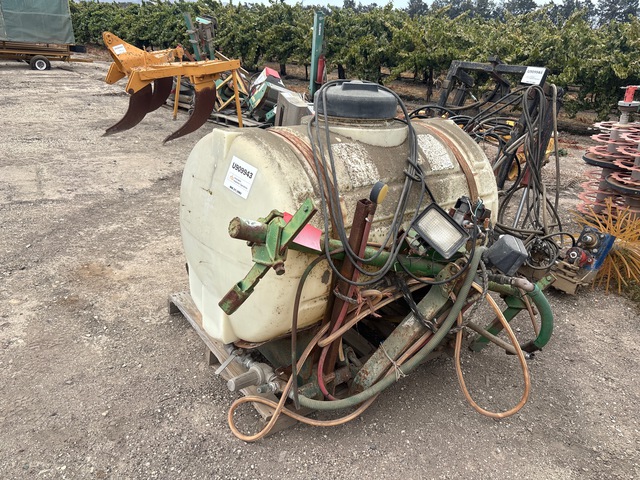
The pump is the heart of any sprayer. Roller pumps and diaphragm pumps are the most common styles:
- Roller pumps: Inexpensive and easy to rebuild, but vulnerable to damage if run dry. Check for scoring on the housing.
- Diaphragm pumps: Ideal for higher pressures and wettable powders. Check the oil sight glass; if the oil looks milky, the internal diaphragms have ruptured and allowed chemical to enter the crankcase.
Inspect all hoses, fittings, and valves. Brittle, cracked, or soft hoses will fail under pressure and should be factored into your budget as replacement items.
3. Booms and Nozzles
Examine the spray boom structure for rust, stress fractures, or bent tubing, particularly where the wings fold or attach to the main frame. Look at the nozzle bodies, tips, and strainers. Worn brass or plastic tips will cause uneven application patterns. Fortunately, nozzle tips are inexpensive to replace, but knowing their condition helps you negotiate the price.
Testing the Unit
If the seller permits, perform a quick water test. Hook the sprayer up to your tractor's 3 point hitch, attach the PTO shaft or hydraulic lines, and fill the tank halfway with clean water. Turn on the pump and check for:
- Consistent pressure on the gauge.
- Leaks at hose clamps, valves, and manifold connections.
- Proper shut-off and pressure regulation via the control valves.
- Even spray patterns across all boom nozzles without clogging.
Valuation and Negotiation
Prices for used 3 point hitch sprayers vary wildly based on tank capacity, boom width (ranging from 15-foot folding booms to 40-foot commercial setups), and added features like electric controls or foam markers. Small 55-gallon units with manual booms might cost a few hundred dollars, while large 300-gallon units with hydraulic folding booms can command several thousand.
Factor in any immediate repairs. If the pump needs a rebuild kit or the hoses need replacing, use those parts costs to negotiate a fair discount with the seller.
Conclusion
Investing in a pre-owned spraying setup is a practical way to maintain your land without breaking the bank. By carefully evaluating the tank, plumbing, pump, and structural frame of a used 3 point hitch sprayer for sale, you can secure a dependable piece of equipment that will serve your property efficiently for years to come.


