Finding DRC Obits: A Guide to Local & Regional Records
Researching death notices and family history across international borders presents unique challenges. When looking for DRC obits, researchers often find that standard Western genealogy search engines do not cover Central Africa extensively. Because the Democratic Republic of the Congo relies on a mix of oral tradition, localized newspaper announcements, church registries, and evolving digital platforms, finding specific death records requires a targeted approach.

Whether you are tracing your family tree, looking for a community member, or settling legal and estate matters, understanding where and how to look for obituaries in the DRC can save you significant time and frustration.
Navigating DRC Obits and Death Notices
Unlike in North America or Europe, where online databases aggregate millions of death records into centralized search engines, the DRC handles vital statistics and memorials differently. Most announcements are shared via community networks, national newspapers, radio broadcasts, and, increasingly, social media platforms like Facebook.
To successfully locate historical or recent notices, you need to understand the primary channels where these records are published and preserved.
Major Newspapers in Kinshasa and Regional Hubs
Print media remains a traditional avenue for formal death announcements and obituaries, particularly for prominent citizens, politicians, business leaders, and academics. Major newspapers based in Kinshasa often feature dedicated memorial sections.
- Le Potentiel: One of the country's prominent daily newspapers, occasionally featuring formal death notices and tributes.
- L'Avenir: Another well-known publication that carries civic notices and announcements.
- Digital Congo and ACP (Agence Congolaise de Presse): Useful for official state announcements and prominent public figures.
Keep in mind that physical archives of these newspapers are typically held in national libraries in Kinshasa or specialized university research centers rather than being fully digitized online.
Social Media and Digital Communities
In recent years, social media has become the most active space for sharing DRC obits. When a community member passes away, families frequently use digital platforms to spread the news rapidly across the global Congolese diaspora.
- Facebook Groups and Pages: Search for community groups specific to Kinshasa, Lubumbashi, Goma, or diaspora groups based in cities like Brussels, Paris, or Montreal. Families often post memorial flyers, known locally as *programme des obsèques*, detailing the viewing, funeral, and memorial service.
- WhatsApp Broadcasts: Much of the communication regarding funerals is passed through private messaging networks. Connecting with extended family members or local community leaders is often the fastest way to access these digital flyers.
Key Strategies for Genealogical Research in the DRC
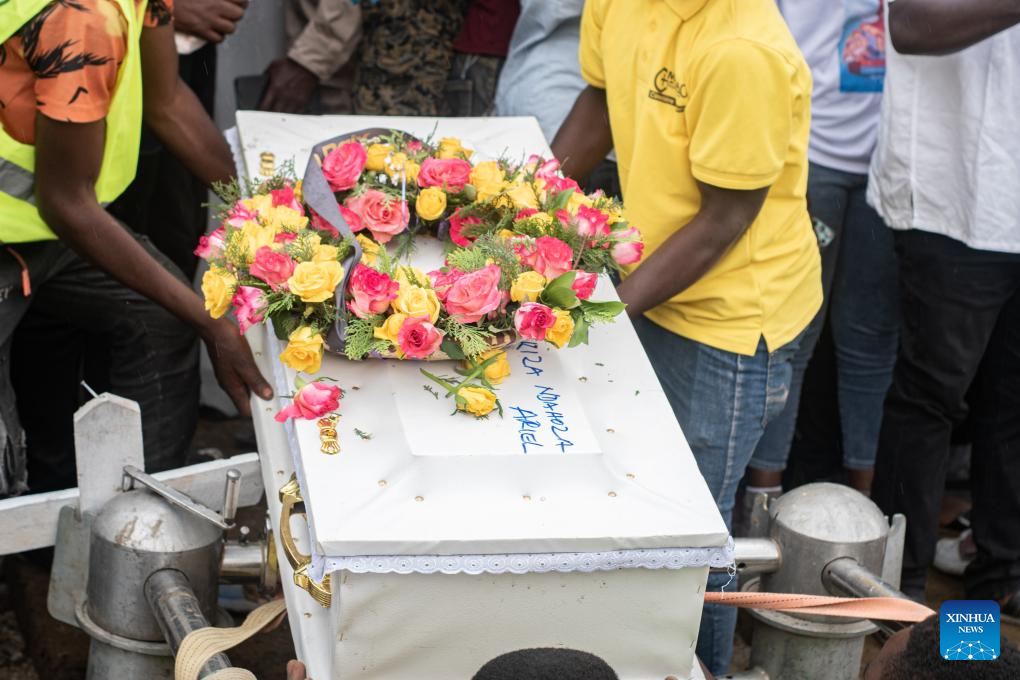
Video: DRC: Record 26 Ebola deaths in single day
If you are looking beyond a recent notice and trying to build a family tree or locate older records, digital obituaries may not be enough. You will need to dig deeper into institutional archives.
Church and Parish Registers
Religious institutions have historically played a vital role in recording births, marriages, and deaths in the DRC, particularly during and prior to the colonial era. Catholic and Protestant mission stations kept meticulous handwritten registers.
To access these:
- Identify the specific region, province, or parish where your ancestor lived or passed away.
- Contact the local diocese or central church administration. While many records are not online, local priests or archivists may assist with specific inquiries if given enough details.
Civil Status Offices (État-Civil)
Legally, deaths in the DRC must be registered with the local municipal office (*commune*). Families receive an official death certificate (*acte de décès*), which is necessary for burial permits and settling estates.
Obtaining copies of these civil documents usually requires:
- Proving a direct familial relationship or legal interest.
- Visiting the specific municipal office (*mairie* or *commune*) in person, or hiring a trusted local representative or lawyer (*avocat*) to retrieve the documents on your behalf.
Tips for Overcoming Language Barriers
When searching for DRC obits, language is a critical factor. While French is the official language of government, administration, and major newspapers, Lingala, Swahili, Tshiluba, and Kikongo are widely spoken in daily life and community notices.
When conducting online searches or browsing social media:
- Use French keywords such as *avis de décès* (death notice), *nécrologie* (obituary), *funérailles* (funeral), or *programme des obsèques* (funeral program).
- Search using the name of the deceased alongside major city names like *Kinshasa*, *Lubumbashi*, *Kisangani*, or *Mbuji-Mayi*.
Finding records in the Democratic Republic of the Congo requires patience and resourcefulness. By combining modern social media searches with traditional newspaper archives and local institutional contacts, you can successfully uncover the historical and personal details you are looking for.