Finding Meaningful Caregiver Jobs in Healthcare
Navigating the Market for Caregiver Jobs
The demand for compassionate healthcare professionals is at an all-time high. If you possess a natural empathy for others and a desire to make a tangible difference in people's lives, exploring caregiver jobs can open the door to a deeply rewarding and stable career path. As global populations age, families and healthcare facilities increasingly rely on dedicated individuals to assist vulnerable adults with daily living activities.
Entering this field requires more than just filling out applications; it demands an understanding of what employers look for, the different types of roles available, and how to position yourself as a top-tier candidate. Whether you are seeking entry-level companionship roles or specialized medical support positions, the caregiving industry offers flexible pathways to suit various skill sets and career goals.
Understanding the Role of a Professional Caregiver
Before diving into the job search, it helps to clarify what the job actually entails. Caregivers provide physical, emotional, and social support to clients who are elderly, chronically ill, or living with disabilities. Depending on the specific setting—whether in a private home, an assisted living facility, or a nursing home—your day-to-day duties can vary significantly.
Core Daily Responsibilities
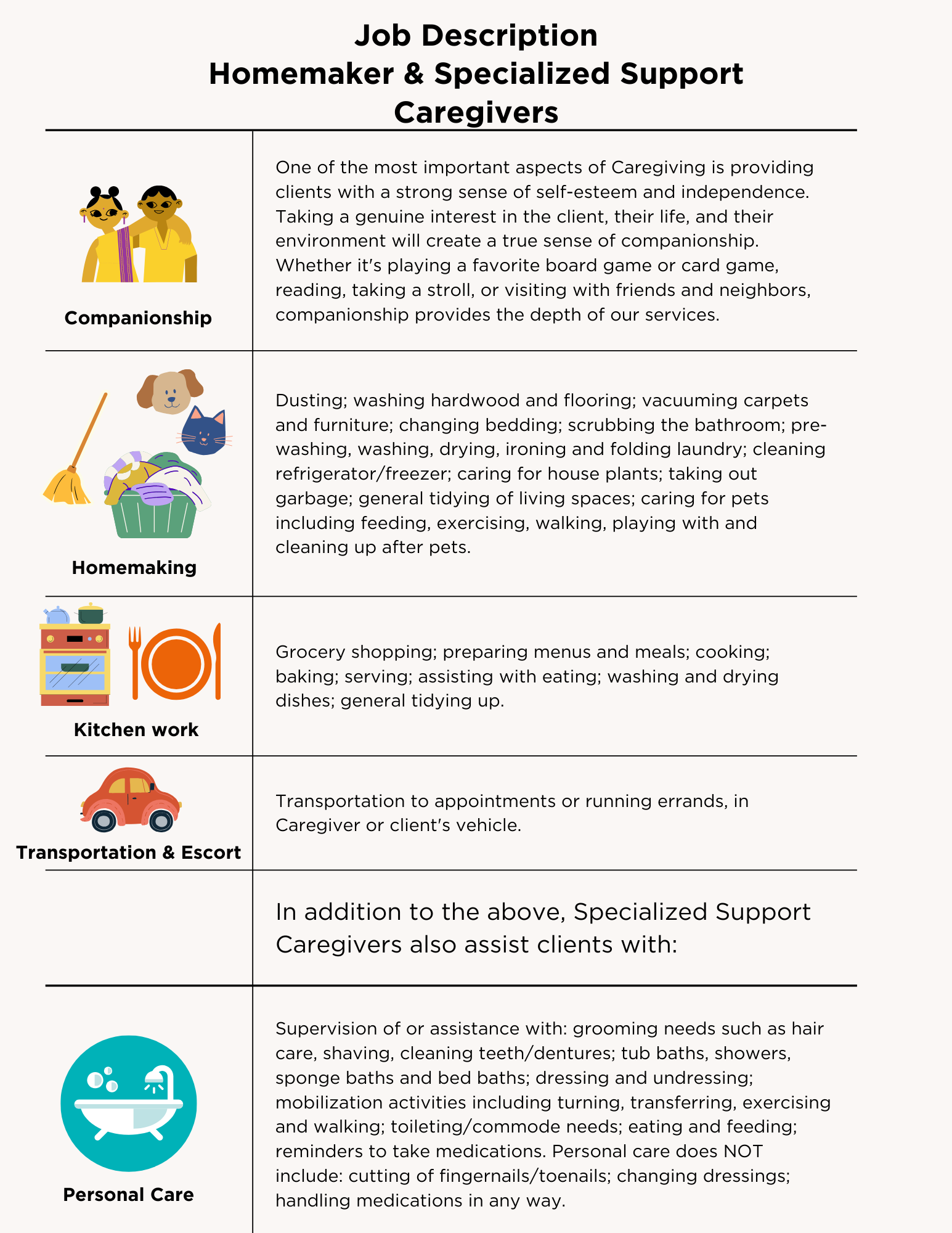
Most professional caregiving positions share a common foundation of support tasks designed to help clients maintain their independence and dignity. Common duties include:
- Personal Care: Assisting with bathing, grooming, dressing, and personal hygiene.
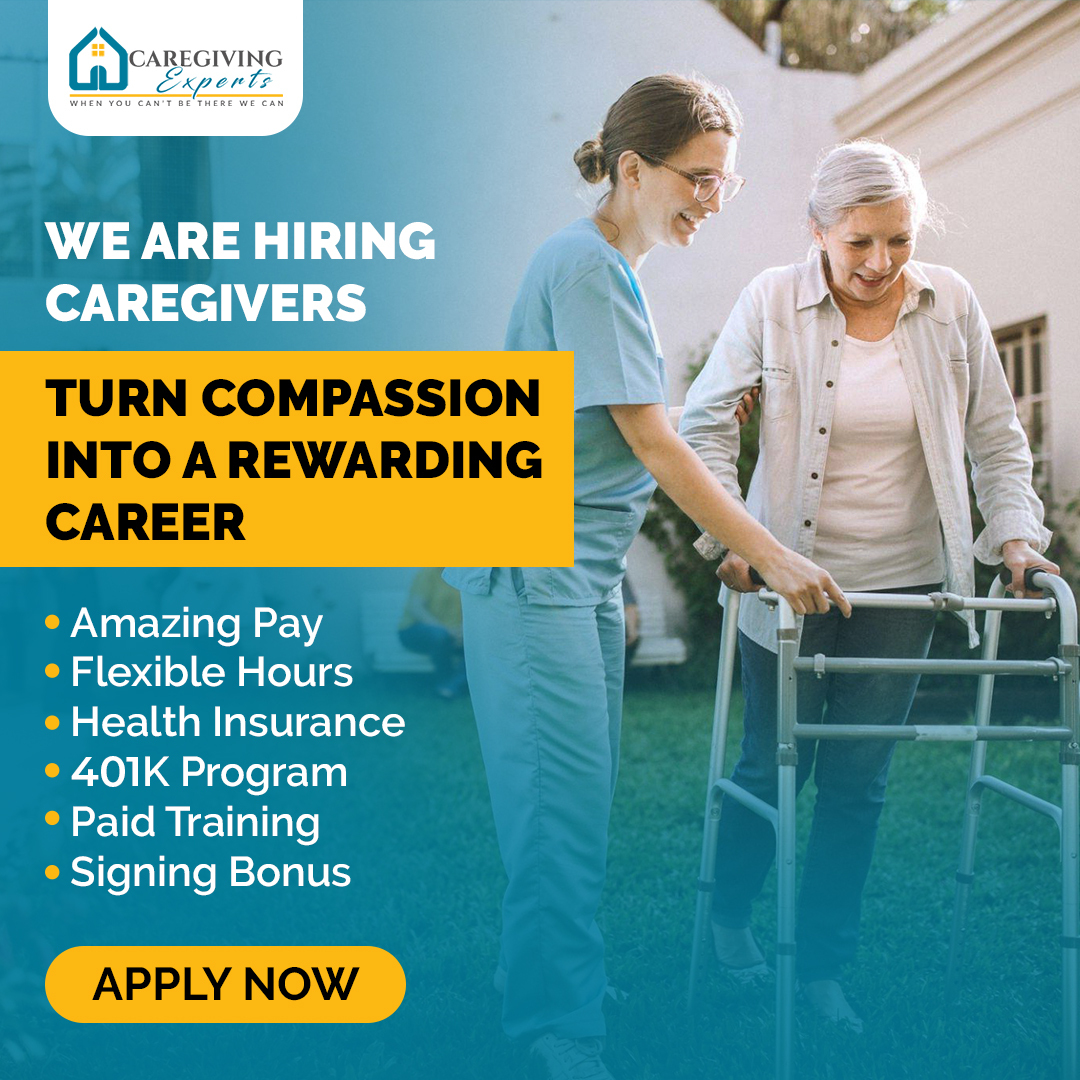
- Mobility Assistance: Helping clients move safely around the home, transfer from beds to chairs, or use mobility aids.
- Medication Reminders: Ensuring clients take the correct medications at prescribed times.
- Meal Preparation: Planning and cooking nutritious meals that adhere to specific dietary restrictions.
- Light Housekeeping: Performing basic chores such as laundry, dusting, washing dishes, and vacuuming.
- Companionship: Engaging in meaningful conversations, playing games, and accompanying clients to appointments or social outings.
Types of Caregiving Positions Available
The healthcare and home care sectors feature a diverse array of positions. Matching your qualifications to the right type of role is essential for long-term career satisfaction.
Home Health Aides vs. Personal Care Assistants
While the terms are often used interchangeably, there are distinct differences between roles:
- Personal Care Assistants (PCAs): Typically focus on non-medical tasks like companionship, cooking, and light housekeeping. Formal medical training is rarely required, and on-the-job training is common.
- Home Health Aides (HHAs): Often require state certification and can perform basic medical tasks, such as checking vital signs, monitoring basic health conditions, and assisting with physical therapy exercises under nurse supervision.
Residential Facility Caregivers
Working in an assisted living facility or nursing home offers a structured team environment. In these settings, you may care for multiple residents during a shift rather than providing one-on-one care in a private residence. This environment often provides more predictable scheduling and immediate access to supervisory support from registered nurses.
Video: Switzerland Caregiver Job Salary And Guide For Foreign Workers And Families | Switzerland Visa

Essential Qualifications and Skills
To stand out when applying for caregiver jobs, you must highlight both hard and soft skills. While technical training is necessary for certain medical roles, interpersonal attributes are equally critical for success in this field.
Must-Have Soft Skills
- Empathy and Patience: Clients may experience frustration, confusion, or physical discomfort. A calm, understanding demeanor is vital.
- Reliability: Families and facilities depend on caregivers to show up on time. Consistency builds trust.
- Strong Communication: You must communicate clearly with clients, family members, and medical supervisors regarding any changes in a client's health or mood.
Certifications and Training
Requirements vary by state and employer. While some private families hire entry-level companions with no prior experience, most professional agencies and facilities require:
- A high school diploma or equivalent.
- A clean criminal background check and drug screening.
- CPR and First Aid certification.
- State-specific HHA or CNA (Certified Nursing Assistant) certification if performing medical tasks.
How to Find and Secure the Right Position
Landing a great role requires a strategic approach to your job search. Utilize a mix of online platforms, local networking, and direct agency applications to maximize your opportunities.
Optimizing Your Resume
Your resume should highlight any experience you have caring for others—even informal experience, such as taking care of an aging relative, counts. Emphasize transferable skills like time management, conflict resolution, and organization. Always mention specialized skills, such as experience with Alzheimer's and dementia care, or fluency in multiple languages.
Interview Tips for Caregivers
During an interview, employers want to see your compassionate side alongside your professional boundaries. Be prepared to discuss how you handle stressful situations, how you manage your time when juggling multiple chores, and why you feel a personal calling to caregiving. Asking thoughtful questions about the client's specific needs or the agency's support systems demonstrates your genuine commitment to the role.
Building a Long-Term Career in Caregiving
Caregiving is not just a stepping stone; it can be a lifelong, fulfilling career with opportunities for advancement. Many caregivers use entry-level roles to gain clinical hours before pursuing advanced nursing degrees, social work, or healthcare administration. By building a strong reputation for dependability and compassion, you can unlock higher-paying specialized roles, supervisory positions, or even start your own independent caregiving practice.