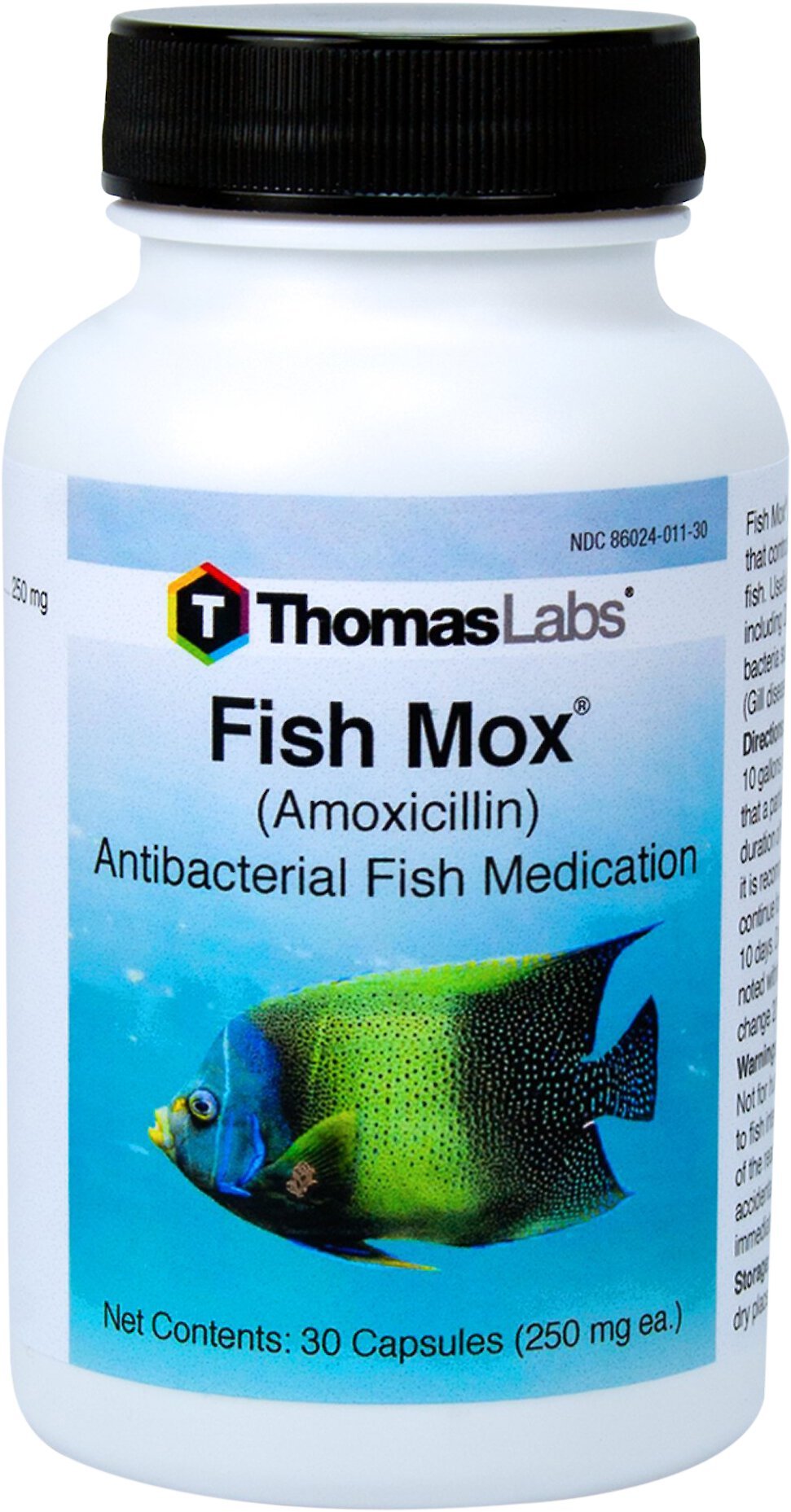
Fish Amoxicillin 250mg: Uses, Safety, and Risks
Understanding Fish Amoxicillin 250mg

When browsing online pet stores or aquarium supply shops, you might come across products labeled as fish amoxicillin 250mg. These medications are marketed and sold legally as veterinary treatments for ornamental fish suffering from specific bacterial infections. Amoxicillin is a broad-spectrum penicillin-class antibiotic, meaning it is designed to target a wide range of gram-positive and some gram-negative bacteria.
In the aquarium hobby, maintaining water quality is paramount, but fish can still contract bacterial diseases due to stress, injuries, or poor environmental conditions. Symptoms of bacterial infections in fish often include fin rot, open sores, pop-eye, and sluggish swimming behavior. Aquarists sometimes turn to medicated treatments to address these outbreaks within a tank setting.
How Aquarium Antibiotics Work
Antibiotics like amoxicillin work by interfering with the ability of bacteria to form cell walls. Without a stable cell wall, the bacteria rupture and die, halting the progression of the infection. When used correctly in an aquarium environment, these medications are intended to treat the water and, by extension, the aquatic animals residing in it.
Common Claims and Indications
Manufacturers of ornamental fish antibiotics generally market their products for conditions such as:
- Fin and tail rot
- Bacterial hemorrhagic septicemia
- Mild open wounds and ulcers
- Pop-eye (exophthalmia) resulting from bacterial pathogens
However, diagnosing bacterial infections in fish accurately can be challenging. Many fish diseases share similar symptoms, and fungal or parasitic infections often mimic bacterial ailments. Treating a parasite with an antibiotic like amoxicillin will yield no positive results and can unnecessarily disrupt the biological balance of the aquarium.
The Hidden Dangers of Human Consumption
One of the most concerning trends surrounding fish amoxicillin 250mg is its off-label purchase and consumption by humans seeking to bypass traditional healthcare costs or prescriptions. Public health organizations, including the U.S. Food and Drug Administration (FDA), issue frequent warnings against using veterinary antibiotics for human ailments.
Video: Saya Menggunakan Amoxicillin Ikan Dan Inilah Yang Terjadi… #ikan #amoxicillin #kesiapsiagaan #ant...
Why Veterinary Meds Are Not Regulated for Humans

There is a dangerous misconception that pet antibiotics are identical to human-grade pharmaceuticals simply because the active chemical ingredient shares a name. In reality, significant differences exist:
- Manufacturing Standards: Veterinary medications do not undergo the same stringent FDA human-grade purity, sterility, and quality control testing required for pharmaceuticals prescribed by a doctor.
- Inactive Ingredients: The binders, fillers, and excipients used in pet medications may be toxic, allergenic, or entirely unsuited for human digestion.
- Dosage Accuracy: Formulations for animals are designed for specific species weights and biological systems, making safe human dosing a matter of dangerous guesswork.
Health Risks and Antibiotic Resistance
Ingesting unprescribed antibiotics carries severe medical risks. Beyond the potential for allergic reactions, severe gastrointestinal distress, and adverse drug interactions, self-medicating creates a broader societal threat: antimicrobial resistance.
When humans take antibiotics improperly—such as taking the wrong dosage, using the wrong type of drug, or failing to finish a full course—surviving bacteria mutate and become resistant. This contributes to the growing global crisis of superbugs, making future legitimate infections much harder to treat.
Furthermore, delaying proper medical evaluation by a licensed physician can allow underlying human conditions to worsen unchecked. What an individual might assume is a simple bacterial infection could be viral, fungal, or symptomatic of a more serious systemic illness.
Safe Alternatives and Best Practices
If you are an aquarium owner dealing with sick fish, the best approach relies on prevention and proper veterinary consultation rather than indiscriminate dosing. Maintaining optimal water parameters, performing regular water changes, and quarantining new fish drastically reduce the need for harsh medications.
For humans seeking medical treatment, skipping the pet store and visiting an urgent care clinic, primary care physician, or telehealth service is the only safe and effective path. Accessing regulated human prescriptions ensures proper dosing, verified safety, and professional medical oversight.
Conclusion
Products labeled as fish amoxicillin 250mg serve a specific, narrow purpose in the realm of ornamental fish care. They are formulated exclusively to treat aquatic bacterial infections under controlled conditions. They are never a safe, viable, or legal substitute for human medical care. Protecting your health and the health of your aquarium requires using products strictly for their intended purposes.