Fitchburg Line Commuter Rail Failures
For thousands of residents stretching from Boston out to Fitchburg and Wachusett, the daily commute is a high-stakes gamble. Relying on the MBTA requires patience, but riding the westernmost extension of the commuter network often feels like testing fate. Looking closely at the Commuter Rail Schedule Fitchburg Line reveals far more than just a list of departure times—it serves as hard proof of a regional transit system failing the very people it was designed to serve.
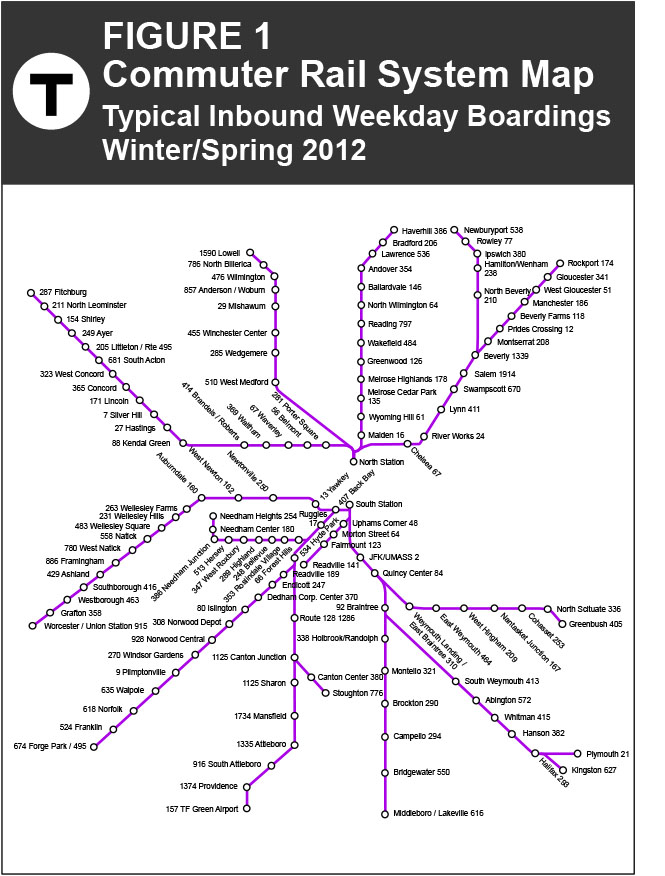
Despite minor schedule tweaks and periodic PR campaigns promising reliability, riders continue to face ghost trains, endless delays, and structural gridlock. To understand why public confidence in this line is plummeting, we must examine the reality behind the timetable.
The Myth of Reliability on the Commuter Rail Schedule Fitchburg Line
A printed or digital schedule implies a contract between the transit authority and the rider: you pay your fare, and we get you to your destination on time. Unfortunately, the Commuter Rail Schedule Fitchburg Line treats this contract as more of a rough suggestion.
Delays of 10 to 20 minutes have become so routine that seasoned commuters no longer factor schedule times into their professional or personal lives. They build buffer time into every trip, effectively surrendering hours of their week to an unpredictable system. When a train runs 15 minutes late twice a day, five days a week, a rider loses nearly three hours every single week just standing on cold, exposed platforms.
Single-Track Bottlenecks and Infrastructure Failures
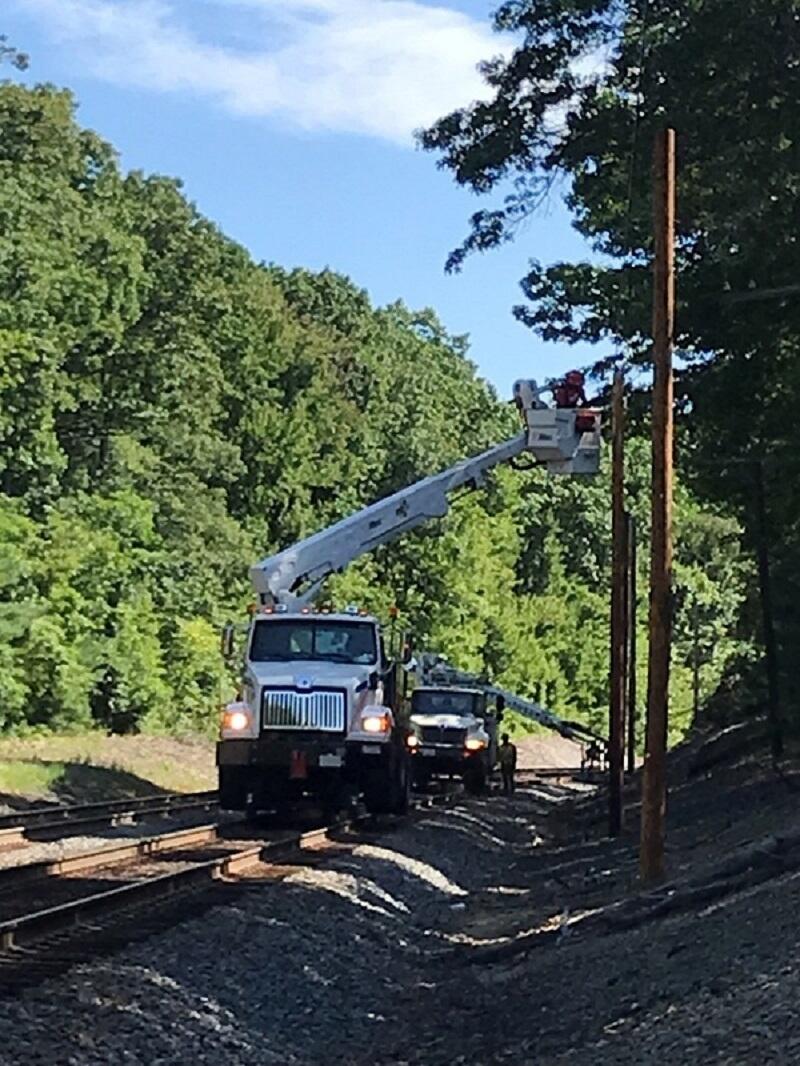
The root cause of these schedule failures isn't bad luck; it is deeply rooted in physical infrastructure. Unlike busier rapid transit lines, large portions of the Fitchburg Line rely on single-track operations. When one train experiences a mechanical failure, signal issue, or freight interference, it triggers a cascading bottleneck in both directions.
- Single-Track Sections: Limited passing sidings mean eastbound and westbound trains must frequently wait for each other to clear blocks.
- Aging Signal Systems: Outdated signaling hardware frequently malfunctions during extreme weather, forcing automated speed restrictions.
- Freight Priority: Pan Am Railways (now integrated into CSX) historically shared and prioritized freight traffic, creating congestion that passenger schedules fail to account for.
These physical constraints mean that the published timetable is often an exercise in optimism rather than engineering reality.
The Human Cost for Suburban Commuters
Transit failures are not just numbers on an MBTA performance dashboard; they impact real lives, jobs, and families. Communities like Fitchburg, Leominster, and Littleton have experienced housing booms driven largely by families looking for more affordable homes while maintaining access to Boston's job market.
When the system fails, the consequences are severe:
- Employment Jeopardy: Chronic lateness puts professional reputations and job security at risk, particularly for service workers and hourly employees who cannot easily make up lost time.
- Childcare Penalties: Parents face steep financial penalties from daycares when evening delays stretch past strict closing times.
- Eroded Trust: Every missed connection pushes riders back toward driving, worsening highway congestion on Route 2 and I-93.
When a transit schedule becomes unreliable, it defeats the entire economic purpose of a regional commuter rail network.
Can the T Fix the Timetable?
Fixing the commuter experience requires more than just shifting departure times by five minutes on paper. Real reform demands aggressive capital investment and operational transparency.
What Needs to Change
To restore faith in the system, transit leadership must prioritize infrastructure over cosmetic fixes. This includes accelerating positive train control (PTC) optimization, expanding double-tracking in critical bottleneck zones, and upgrading rolling stock to reduce mechanical breakdowns during winter months. Furthermore, the MBTA must provide real-time, transparent communication when delays occur, rather than leaving passengers guessing on crowded platforms.
Until these structural investments are made, the daily timetable will remain what it is today: a work of fiction that continuously proves the system is failing its riders.