Fitchburg Line Schedule: Most Inconvenient Train?
For anyone living in Boston's western suburbs and trying to commute into the city, the daily transportation puzzle often comes down to one exhausting question: Is the commuter rail schedule Fitchburg Line truly the most inconvenient train service in the entire MBTA network?

With a sprawling route that stretches nearly 50 miles from Boston's North Station all the way to Wachusett in Worcester County, the Fitchburg Line serves a vital corridor. Yet, ask any regular rider about their daily experience, and you are likely to hear tales of frustrating gaps in midday service, weekend schedule anomalies, and persistent delays caused by aging infrastructure and single-track bottlenecks.
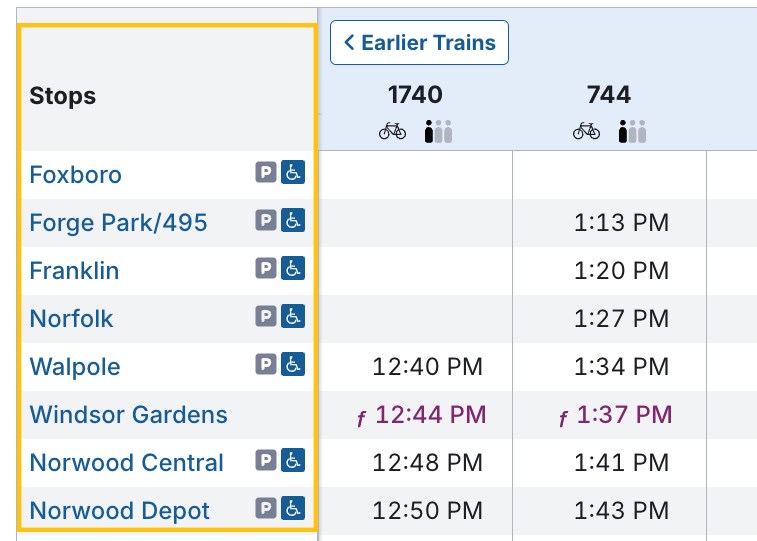
The Anatomy of the Fitchburg Line Schedule
To understand why so many riders grumble about the timetable, you have to look at how the service is structured. Unlike the subway, which runs continuously, commuter rail lines operate on fixed timetables tailored primarily around the traditional 9-to-5 white-collar workday.
During peak morning hours, inbound trains from towns like Acton, Concord, and Fitchburg arrive in Boston with relative frequency—though 'frequency' on the Fitchburg Line often still means waiting an hour or more between trains if you miss your intended departure. Once the morning rush hour concludes, however, the schedule thins out dramatically.
The Midday and Weekend Drought
One of the primary complaints fueling the narrative about this route is the lack of flexible midday service. If an appointment, a medical emergency, or a remote work schedule requires a rider to travel during off-peak hours, options are severely limited. For years, midday trains ran every two hours or worse, stranding passengers who needed to return home after a morning appointment in Boston.
Weekend service has historically suffered an even worse fate. While the MBTA has made incremental improvements to weekend schedules, the gaps between trains can still ruin a day trip or social outing. Missing a late-afternoon weekend train often translates to a massive, multi-hour wait on a platform at North Station.
Infrastructure Challenges Behind the Timetable
The inconvenience built into the commuter rail schedule Fitchburg Line isn't just poor planning by transit bureaucrats; it is largely dictated by physical geography and historical rail constraints.
- Single-Track Sections: Significant portions of the Fitchburg Line remain single-tracked. This means trains traveling in opposite directions must coordinate carefully, pulling over onto sidings to let one another pass. A delay on one train creates a cascading domino effect across the entire line.
- Shared Freight Corridors: The tracks are not exclusively for passenger use. Freight trains also utilize the corridor, and coordinating freight traffic with commuter schedules introduces another layer of scheduling vulnerability.
- Aging Signal Systems: Historical weather vulnerabilities and outdated signaling infrastructure mean that heavy rain, snowstorms, or extreme summer heatwaves routinely force the MBTA to issue modified, slower schedules that disrupt thousands of commuters.
Is It Actually the Worst Line on the MBTA?
While Fitchburg Line riders have plenty of valid gripes, declaring it the absolute worst train in the system requires some context. Compared to the chronically troubled Orange or Red rapid transit lines, the Fitchburg Line offers a much more comfortable, albeit distant, ride with guaranteed seating.
Furthermore, recent investments by the MBTA have brought positive changes. The completion of positive train control (PTC), localized track upgrades, and the extension of service out to Wachusett have modernized portions of the route. When trains run on time, the ride through the scenic minuteman region can be genuinely pleasant, offering Wi-Fi and quiet cars for working professionals.
Tips for Surviving the Fitchburg Line
If your living situation ties you to this corridor, mastering the timetable requires a proactive strategy. Here is how seasoned riders navigate the system:
- Download Transit Apps: Never rely solely on the printed PDF schedule. Use real-time tracking apps like ProximiT, Transit, or the official MBTA app to monitor train locations and unexpected delays before heading to the station.
- Build Buffer Time: Because single-track delays and switch failures can add 15 to 30 minutes to a commute without warning, always plan to arrive earlier than strictly necessary if you have a tight connection or an important meeting.
- Understand Zone Fares: Make sure you buy the correct zone ticket or use mTicket to avoid paying onboard surcharges, and check whether your employer offers corporate transit pass subsidies to cut down on costs.
Ultimately, while the commuter rail schedule Fitchburg Line certainly tests the patience of its passengers with limited off-peak options and historical bottlenecks, it remains an indispensable lifeline for North-West suburban commuters. With ongoing pressure on transit officials for higher frequency and better infrastructure funding, the hope is that future schedules will offer far more convenience for everyone on board.