Fixing Sickled Feet in Dancing: Causes & Cures
In the world of dance—particularly ballet, contemporary, and jazz—clean lines and precise anatomical alignment are everything. One of the most common yet detrimental technical flaws a dancer can develop is sickled feet in dancing. Whether you are a beginner stepping up to the barre for the first time or an advanced performer working on your pointe technique, understanding what sickled feet are, why they happen, and how to correct them is essential for both your aesthetic progress and physical safety.

What Does It Mean to Have a Sickled Foot?
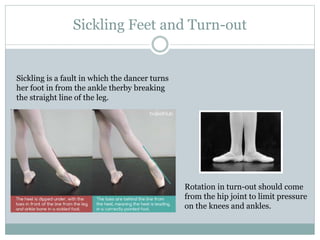
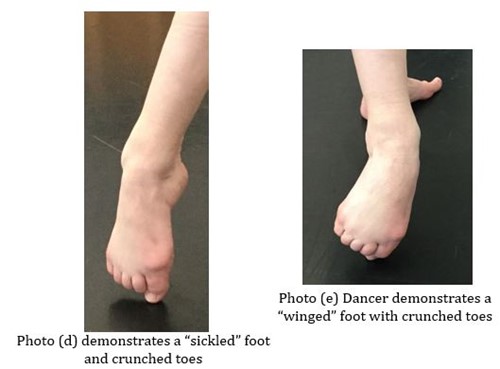
A sickled foot occurs when the dancer breaks the straight line of the leg by curving the ankle inward, causing the toes to point back toward the center of the body rather than extending directly outward. Imagine drawing a straight line from the center of the hip, down through the knee, ankle, and out the tips of the toes. When a foot is sickled, that line is broken at the ankle joint.
This habit usually happens when a dancer is pointing their feet. Instead of using the muscles in the top of the foot and the ankle to stretch the joint fully, the dancer collapses the ankle inward. This creates an incorrect crescent moon shape with the foot, which is heavily penalized in dance examinations, auditions, and performances.
Why Sickled Feet in Dancing Are Dangerous
While a sickled foot is primarily considered an aesthetic flaw, the physical consequences go far beyond a poor visual line. Dancers who habitually sickle their feet put themselves at a significantly higher risk of injury.
Increased Risk of Ankle Sprains
When the ankle rolls inward, the lateral (outer) ligaments and tendons are placed in a chronically stretched and vulnerable position. This dramatically increases the likelihood of rolling an ankle, especially when landing jumps (allegro) or turning.
Impaired Balance and Turnout
Proper foot alignment is the foundation of balance. If your feet are sickled, your weight shifts incorrectly over your base of support. This makes balancing in relevé or on pointe much harder. Furthermore, sickling often originates from the hip or knee trying to compensate for a lack of ankle flexibility, which can break your overall turnout.
Chronic Pain and Tendonitis
Forcing the foot into an unnatural position places uneven stress on the ankle joint, peroneal tendons, and the bones of the midfoot. Over time, this leads to overuse injuries, inflammation, and chronic pain that can sideline a dancer for weeks or months.
Primary Causes of Sickling
Video: Sickling & Winging Correction

To fix sickled feet, you first need to identify why they are happening. The root causes generally fall into a few categories:
- Lack of Ankle Flexibility: Many dancers do not have the natural range of motion in the ankle joint to point straight, so they unconsciously sickle to make the foot look more arched.
- Weak Intrinsic Foot Muscles: If the muscles inside the foot and lower leg lack strength, the foot cannot maintain a straight line against resistance.
- Lack of Body Awareness (Proprioception): Beginners often simply do not know what a straight-pointed foot feels like and rely on visual approximation in the mirror.
- Improper Footwear: Ill-fitting ballet slippers or pointe shoes that do not support the proper shank alignment can encourage bad habits.
How to Correct and Prevent Sickled Feet
Correcting a sickled foot requires consistent mindfulness, targeted strength training, and patience. Because muscle memory is deeply ingrained, you must actively reprogram how your lower body moves.
1. Focus on the Big Toe Joint
A simple mental cue to combat sickling is to focus on lengthening through the big toe. When pointing your foot, direct your energy out through the first and second toes rather than letting the weight collapse toward the pinky toe. As you stretch, ensure your heel pushes forward.
2. Incorporate Thera-Band Exercises
Resistance bands are a dancer's best friend for building ankle strength. Sit on the floor with your legs straight out in front of you. Loop a medium-resistance Thera-Band around the ball of your foot. Point and flex your foot slowly against the resistance, making sure the foot stays completely straight and never drops inward.
3. Utilize Manual Corrective Touch
Teachers play a vital role here, but you can also work with a partner. Have a teacher or peer gently hold your heel and guide your toes into proper alignment. Close your eyes while they do this so your nervous system can memorize the correct muscular sensation.
4. Practice Slow Rises in Parallel and Turnout
Stand at the barre and slowly roll up through your feet into relevé (and eventually pointe, if appropriate) in parallel first, paying close attention to your ankles. If your ankles tend to wobble or bow inward, scale back the height of your relevé until you can maintain a perfectly straight line.
Conclusion
Overcoming sickled feet in dancing takes time because you are fighting against established muscle memory. However, by combining targeted foot-strengthening exercises with constant mindfulness during class, you can retrain your ankles. Not only will your lines become cleaner and more professional, but you will also protect your joints and build a safer, more resilient foundation for your entire dance career.