Flagstaff Arizona 7-Day Weather Forecast & Guide
If you are heading up to the high country of northern Arizona, keeping a close eye on atmospheric conditions is an absolute must. Mountain weather is notoriously fickle, and looking at a 7 day weather forecast for flagstaff arizona: OMG style can sometimes feel like trying to predict rolling dice. Sitting at a crisp elevation of nearly 7,000 feet, Flagstaff experiences drastic temperature shifts, sudden afternoon thunderstorms during the monsoon, and heavy winter snowpacks that can catch unprepared travelers completely off guard.
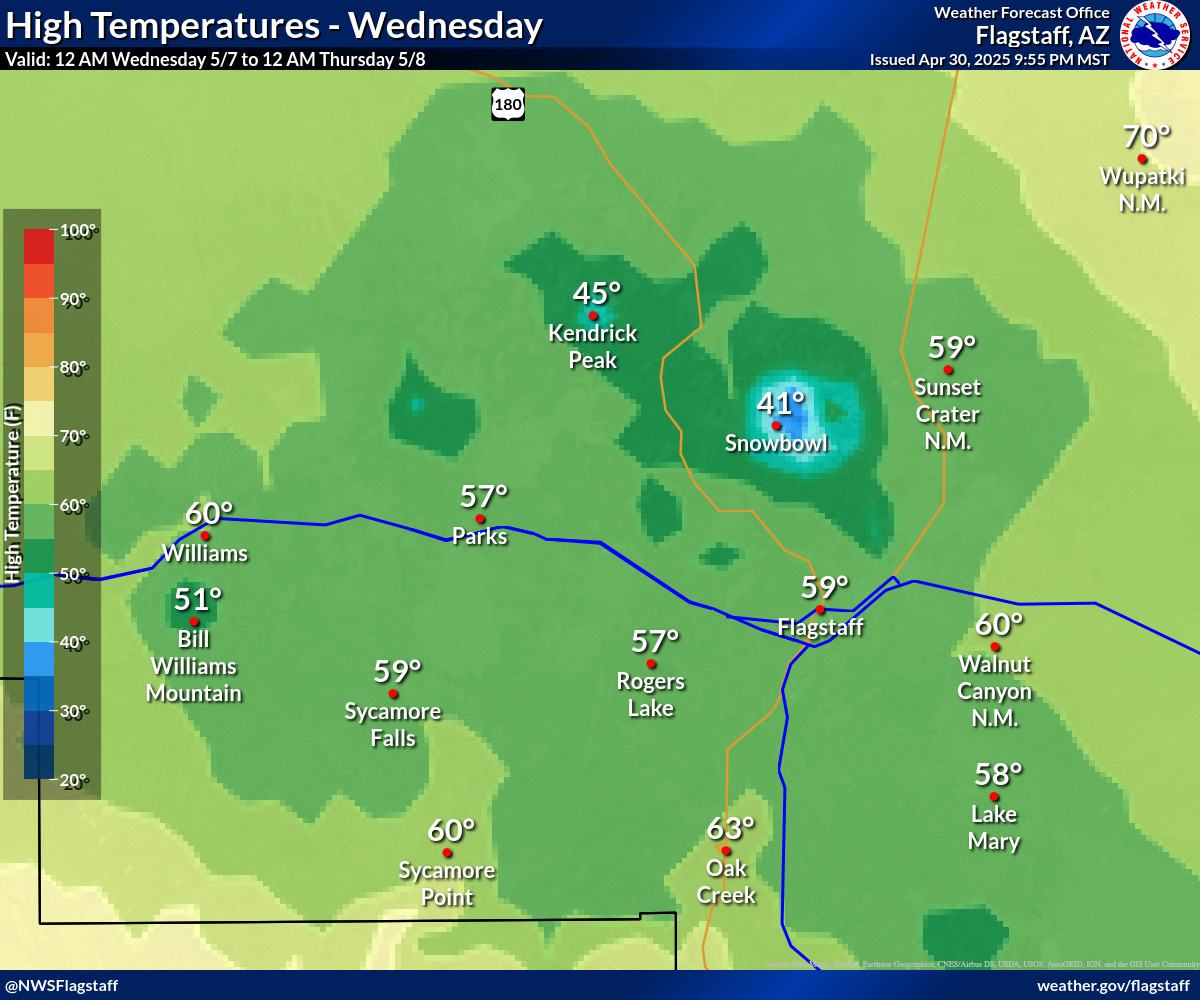
Whether you are planning a winter ski trip to Arizona Snowbowl, hiking the rugged trails of the San Francisco Peaks, or simply escaping the scorching desert heat of Phoenix, understanding the weekly outlook helps you pack the right gear and stay safe.
Understanding Flagstaff's Unique Mountain Climate
Flagstaff is not your typical Arizona city. While the rest of the state is famous for cactus-filled deserts and triple-digit temperatures, Flagstaff is nestled inside the largest contiguous ponderosa pine forest in the United States. This high-altitude environment creates a subalpine climate with four distinct seasons.
Because the air is thinner at 6,909 feet, solar radiation is much stronger during the day, making it feel warmer in the direct sun. However, the moment the sun dips below the horizon, temperatures plummet rapidly—sometimes by 30 to 40 degrees in a matter of hours. This diurnal temperature swing is a critical factor when evaluating any weekly meteorological outlook for the area.
Your 7-Day Outlook Breakdown
While specific daily temperatures and precipitation chances change constantly, a typical multi-day outlook for northern Arizona follows certain seasonal patterns. Here is how to interpret a standard weekly forecast for the region:
- Day 1-2 (Clear & Mild or Crisp): High-pressure systems often bring clear blue skies and abundant sunshine. Daytime highs might reach the mid-70s in summer or the upper 40s in winter, but nights will remain brisk.
- Day 3-4 (Increasing Winds): As weather systems transition across the Great Basin, wind speeds frequently pick up. Sustained winds of 15 to 25 mph with higher gusts are common, affecting wildfire danger and outdoor recreation.
- Day 5-7 (Precipitation Potential): Low-pressure troughs or seasonal monsoons often move in toward the end of the week, bringing a chance of rain showers, thunderstorms, or mountain snow depending on the month.
Season-by-Season Weather Survival Guide
To truly make sense of a 7 day weather forecast for flagstaff arizona: OMG style, you need context on what to expect during different times of the year.
Winter (December through March)
Video: Flagstaff Weather Forecast -- July 7, 2014
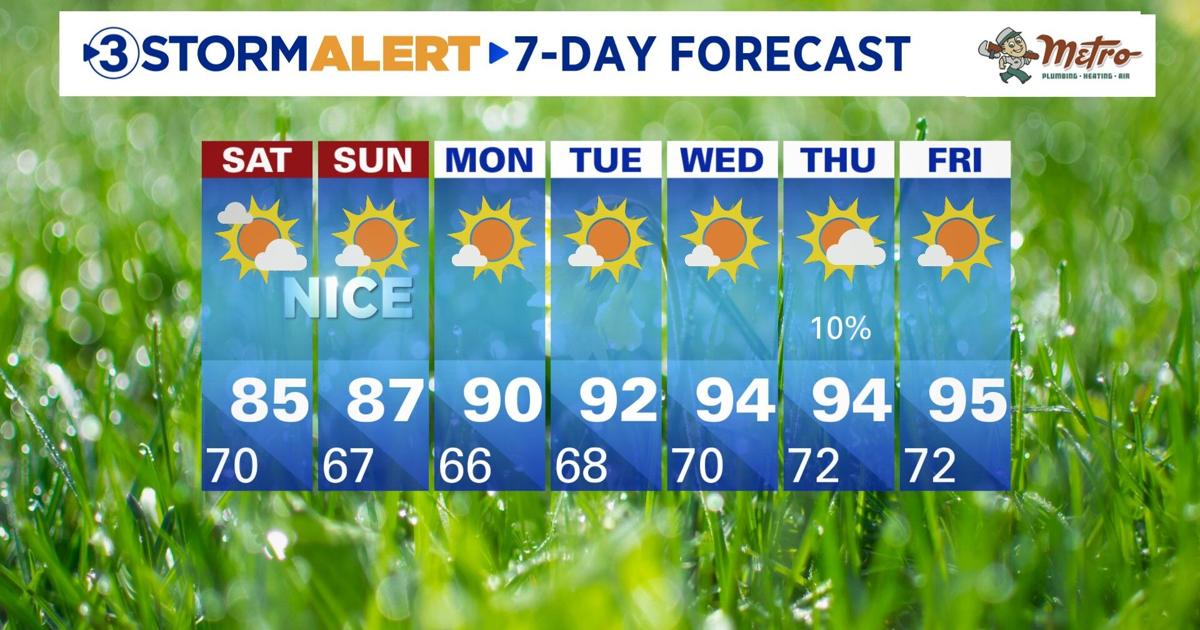
Winter brings heavy snowfall to the peaks and town alike. Flagstaff averages over 100 inches of snow annually. A winter forecast showing incoming storms means hazardous driving conditions on Interstate 40 and Highway 180. Always check road conditions with ADOT before driving up, and keep an emergency kit in your vehicle.
Spring (April through May)
Spring is the windiest season in northern Arizona. Dry conditions combined with high winds elevate fire restrictions. While daytime temperatures begin to warm into the 50s and 60s, unexpected late-season snow flurries can still occur as late as May.
Summer (June through August)
Summer is arguably the most popular time to visit. Daytime highs hover comfortably in the upper 70s to low 80s, offering a massive relief from desert heat. However, July and August bring the North American Monsoon, introducing sudden afternoon thunderstorms, lightning, and localized flash flooding.
Autumn (September through November)
Fall foliage turns the aspens on the Kachina Peaks Wilderness into brilliant shades of gold. Crisp morning temperatures in the 30s give way to pleasant autumn afternoons in the 60s. This is generally the calmest weather window of the entire year.
Tips for Packing and Preparing
When packing for a trip based on your weekly weather findings, always adhere to the golden rule of mountain travel: layer up. The weather can change drastically between downtown Flagstaff, Snowbowl, and the depths of Walnut Canyon.
- Bring Layers: Pack breathable moisture-wicking clothes for daytime hikes, but always include a fleece jacket, windbreaker, and beanie for the chilly evenings.
- Stay Hydrated: High altitude accelerates dehydration. Drink plenty of water and wear high-SPF sunscreen, as UV rays are much stronger at 7,000 feet.
- Monitor Local Alerts: Bookmark official National Weather Service pages for Flagstaff to get real-time warnings regarding high winds, red flag fire warnings, or winter storm advisories.
By staying informed and respecting the power of mountain weather, your trip to Flagstaff will be memorable for all the right reasons. Check your daily updates often, stay flexible with your itinerary, and enjoy the breathtaking beauty of northern Arizona.


