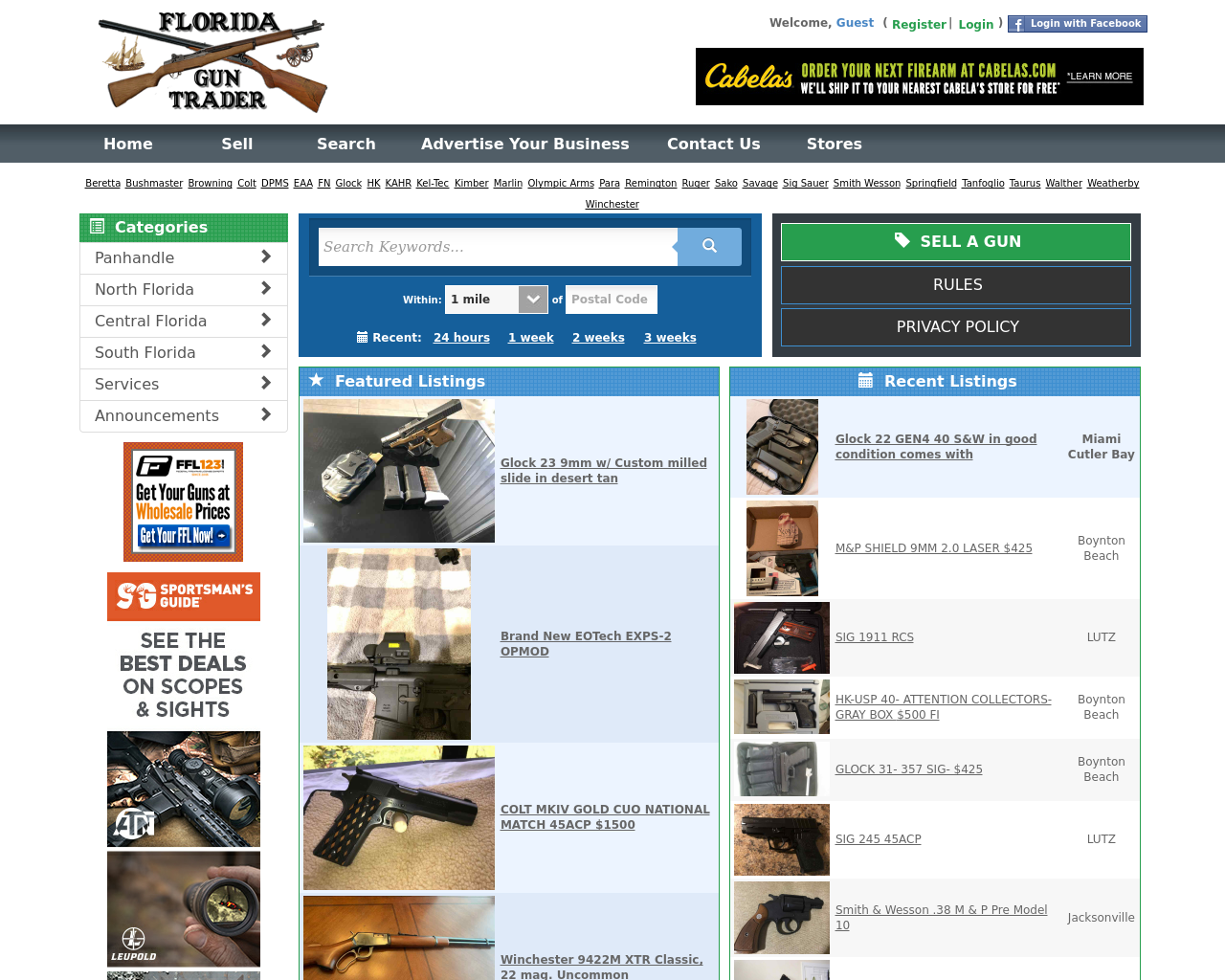
Florida Gun Trader: Guide to Buying & Selling
For gun enthusiasts, collectors, and hunters in the Sunshine State, Florida Gun Trader remains one of the most popular regional online marketplaces. Whether you are looking to clear out your safe or track down a specific semi-automatic rifle, revolver, or shotgun, the platform connects local buyers and sellers directly. However, navigating peer-to-peer firearm classifieds requires a thorough understanding of both platform rules and Florida state law to ensure every transaction is safe, legal, and hassle-free.
Understanding Florida Gun Trader and How It Works
Florida Gun Trader functions similarly to Craigslist or other classified ad websites, but it is specifically dedicated to firearms, ammunition, optics, and tactical gear. Users can browse listings by category, price, and region without paying a fee to view ads. Creating an account allows users to post their own listings and communicate with other members via an internal messaging system.
It is important to note that the website itself is merely a listing service. The platform does not buy, sell, trade, or take possession of any firearms, nor does it process payments or conduct background checks. Every transaction is negotiated and executed independently by the private parties involved.
Legal Requirements for Private Gun Sales in Florida
Before buying or selling a firearm through classified platforms in the state, you must understand Florida's legal framework. Federal and state laws dictate who can legally own, buy, or sell a firearm.
Basic Eligibility Rules
To legally purchase a firearm from a private seller in Florida, the buyer generally must:
- Be a resident of Florida (for handgun purchases; long gun purchases may follow different interstate rules).
- Be at least 21 years of age for handguns, and generally 18 years of age for rifles and shotguns.
- Not be prohibited from owning firearms due to a felony conviction, domestic violence restraining order, fugitive status, or mental adjudication.
Do Private Sellers Need Background Checks?
Under current Florida law, private-party transfers between individuals who are not federally licensed firearms dealers (FFLs) do not legally require a background check. However, sellers carry ethical and legal responsibilities. If you knowingly sell a firearm to a prohibited person, you could face severe federal and state criminal charges. Because of this risk, many responsible sellers on Florida Gun Trader explicitly request to see a Florida Concealed Weapon License (CWL) or insist on conducting the transfer through a licensed gun dealer.
Safety Tips for Buying and Selling Locally
Because online classifieds involve meeting strangers, personal safety and fraud prevention should be your top priorities. Follow these guidelines to protect yourself:
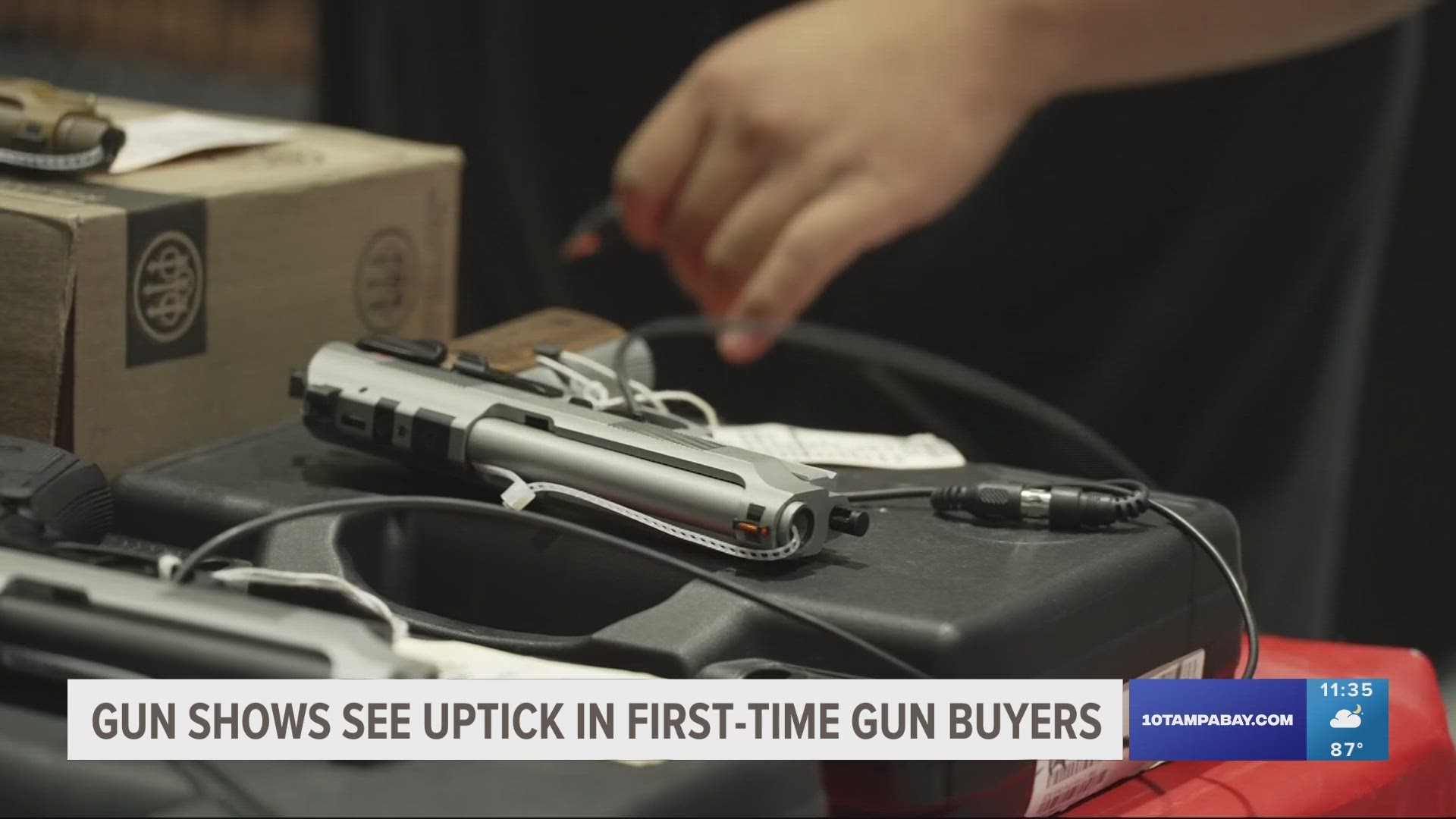
Video: Buying a Gun in Florida

1. Meet in a Safe, Public Location
Never invite a stranger to your home, and never agree to meet in a secluded or poorly lit area. Many local law enforcement agencies across Florida offer "Safe Exchange Zones" in their parking lots specifically for online marketplace transactions. Alternatively, meeting inside a local gun range or gun store parking lot provides a secure, well-monitored environment.
2. Verify Identity and Credentials
Always ask to see the buyer's or seller's Florida driver's license or government-issued photo ID to confirm residency and identity. If the buyer has a valid Florida Concealed Weapon License, it adds an extra layer of comfort, as the state has already performed a thorough background check to issue that permit.
3. Use Cash and Verify Funds
Most private transactions are conducted in cash. Count the cash carefully before handing over the firearm. Avoid accepting personal checks, money orders, or electronic peer-to-peer payment apps that are easily reversed or prone to scams.
Drafting a Bill of Sale
While Florida law does not strictly mandate a bill of sale for private firearm transfers, creating one is a smart practice for both parties. A proper bill of sale protects the seller by documenting the exact date the firearm left their possession, which helps if the firearm is ever recovered at a crime scene. A standard bill of sale should include:
- Make, model, caliber, and serial number of the firearm.
- Date of the transaction.
- Full legal names, addresses, and signatures of both the buyer and the seller.
- A statement signed by the buyer certifying they are legally eligible to purchase and own firearms.
Avoiding Common Online Scams
Like any online marketplace, Florida Gun Trader attracts scammers looking to take advantage of trusting users. Protect yourself by watching out for these red flags:
- Requests for prepayment: Never wire money or send payment via apps (like Zelle, Venmo, or CashApp) before seeing the item in person.
- "Too good to be true" pricing: If a high-end rifle or scarce handgun is listed at half its market value, it is likely a scam or stolen property.
- Excuses not to meet: If a seller claims they are deployed overseas, out of state, or otherwise unable to meet face-to-face, walk away immediately.
Conclusion
Florida Gun Trader remains a valuable resource for firearm enthusiasts looking to buy, sell, or trade within the state. By prioritizing personal safety, verifying buyer eligibility, drafting bills of sale, and strictly adhering to Florida firearm laws, you can ensure a smooth and legal transaction every time.