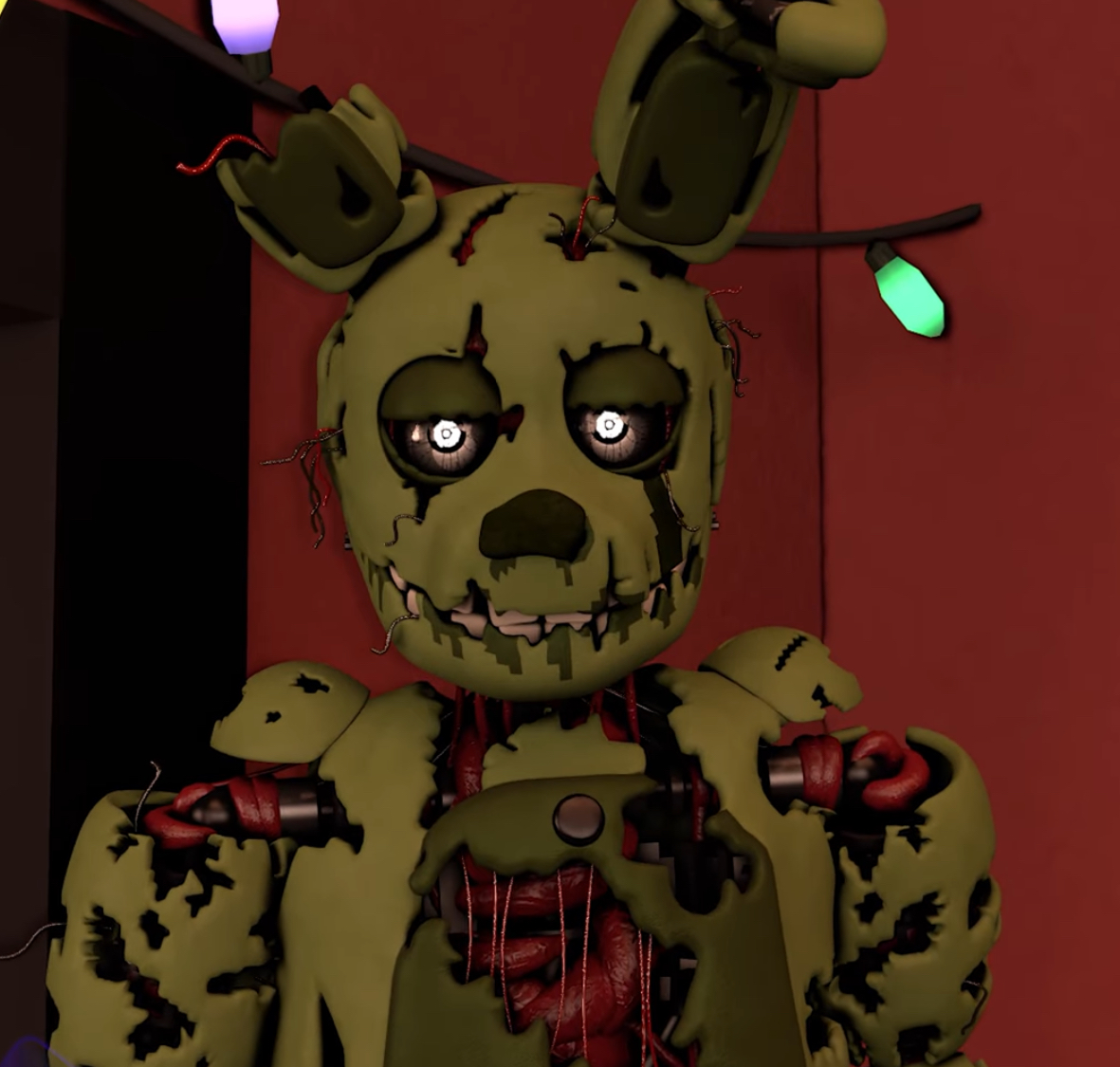
FNAF Actors on Strike: SAG-AFTRA and Video Games
When major entertainment franchises intersect with labor disputes, fan communities pay close attention. In recent months, internet rumors and discussions regarding fnaf actors on strike have circulated across social media platforms like TikTok, X (formerly Twitter), and Reddit. Fans worry about how labor negotiations might delay upcoming video game installments, DLCs, or the highly anticipated movie sequels.

To understand the truth behind these rumors, it helps to look at the broader picture of labor relations in the entertainment industry. Specifically, we must examine the SAG-AFTRA video game strike, how union rules apply to motion capture and voice acting, and what this actually means for the talent behind the animatronics.
The SAG-AFTRA Interactive Media Agreement Strike
The conversation about strike action in the gaming industry stems from the Screen Actors Guild-American Federation of Television and Radio Artists (SAG-AFTRA). The union represents thousands of performers, including voice actors, stunt coordinators, and motion-capture artists who bring digital characters to life.
In July 2024, SAG-AFTRA officially called a strike against major video game publishers—including companies like Electronic Arts, Insomniac Games, Take-Two Interactive, and Warner Bros. Games—under the Interactive Media Agreement. The primary bone of contention was not just baseline wage increases to keep pace with inflation, but a critical, modern issue: artificial intelligence protections.
Why AI Protections Matter for Performance Artists
Generative artificial intelligence poses a massive existential threat to voice and performance actors. Studios can theoretically train AI models on an actor's voice or likeness without proper consent, fair compensation, or ongoing oversight.
- Digital Replicas: AI can clone a voice to record new lines without hiring or paying the original human actor.
- Consent and Compensation: Performers want guaranteed legal rights to opt-in or opt-out of digital replication.
- Job Security: Unregulated AI use reduces the number of available recording and motion-capture sessions for human talent.
Because the Five Nights at Freddy's franchise relies heavily on voice actors for teaser trailers, game dialogue, and interactive media, fans naturally wondered how these industry-wide negotiations might affect their favorite performers.
Are the FNAF Actors on Strike? The Facts

Despite viral rumors online, the core cast of the *Five Nights at Freddy's* movie and games are not currently on a localized strike against Blumhouse or independent developers like Scott Cawthon. However, the distinction between union and non-union projects can be complex.
Many indie games and lower-budget film productions operate under different contracts than the major AAA studios targeted by the initial SAG-AFTRA interactive strike. Furthermore, the *Five Nights at Freddy's* movie was produced under a SAG-AFTRA interim agreement during the historic 2023 Hollywood strikes, allowing production to continue safely while supporting union goals.
How Voice Actors Are Impacted by Ongoing Labor Disputes
Even if an individual actor is not picketing, industry-wide strikes create ripple effects across the entire entertainment ecosystem:
- Scheduling Conflicts: Delays in major studio projects can shift an actor's availability for indie or franchise work.
- Solidarity: Many voice actors express vocal support for union strikes on social media, leading fans to mistakenly assume every single project they are tied to has ground to a halt.
- Contract Adjustments: Future indie projects may proactively adopt AI-safe clauses to protect actors, changing how voice contracts are negotiated moving forward.
Looking Ahead: The Future of FNAF Media
Fortunately, major milestones for the franchise remain on track. The box-office success of the first film greenlit a guaranteed sequel, and developer partnerships continue to churn out new interactive experiences for horror fans.
While the broader conversation about labor rights and AI safety in Hollywood and the gaming industry remains ongoing, the rumor mill often exaggerates the immediate impact on specific titles. The talent behind your favorite haunted animatronics continues to work within the legal frameworks designed to protect their voices, livelihoods, and artistic integrity in an increasingly automated world.