Foille Ointment vs Neosporin: Which Should You Use?
When minor accidents happen in the kitchen or backyard, reaching for a first aid ointment is standard practice. Two of the most common household remedies are Foille and Neosporin. However, comparing Foille ointment vs Neosporin is not an apples-to-apples comparison because they are formulated for entirely different primary purposes. Selecting the wrong one can mean the difference between immediate pain relief and delayed healing.

Understanding what each product does, what active ingredients they contain, and when to use them will help you make the best choice for your specific injury.
What is Neosporin?
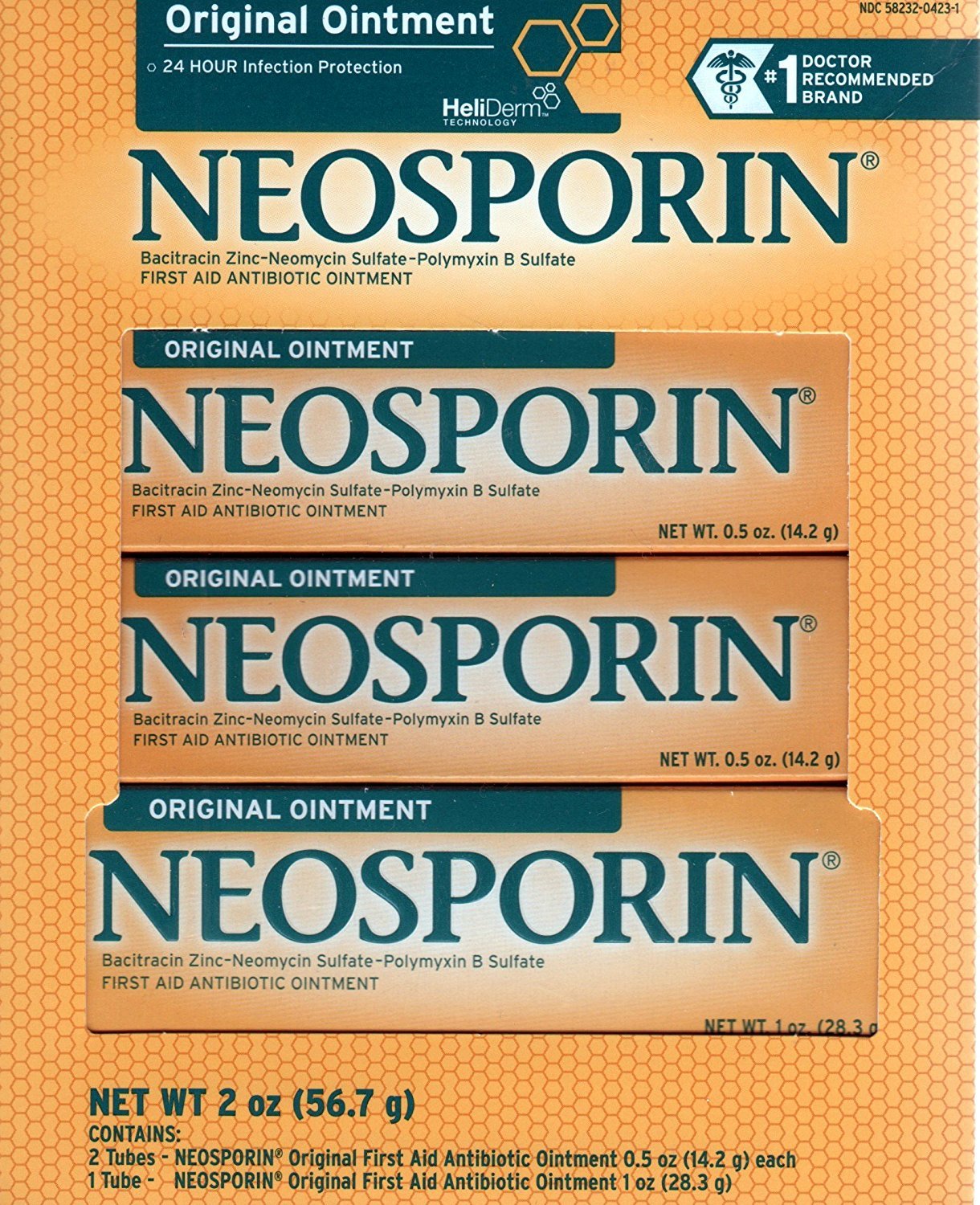
Neosporin is a staple in American medicine cabinets. It is a broad-spectrum topical antibiotic ointment designed specifically to prevent and treat minor bacterial skin infections.
Active Ingredients and Mechanism
Neosporin contains three active antibiotic ingredients:
- Neomycin sulfate: Fights gram-negative bacteria.
- Bacitracin zinc: Targets gram-positive bacteria.
- Polymyxin B sulfate: Effective against a wide range of bacterial strains.
Together, these ingredients work synergistically to kill bacteria on the surface of broken skin, preventing pathogens from colonizing a fresh cut, scrape, or minor puncture wound.
Best Uses for Neosporin
Neosporin is ideal for injuries where the skin barrier has been broken and the risk of bacterial contamination is high. Use it for:
- Minor cuts and lacerations
- Scrapes and skinned knees
- Small puncture wounds
- Abrasions
It is important to note that standard Neosporin contains no pain-relieving agents. While some variants (like Neosporin Pain + Itch) add pramoxine hydrochloride for relief, the classic formula focuses strictly on infection control.
What is Foille Ointment?
Foille is a specialized topical medication designed primarily for emergency first aid on burns, sunburns, and painful skin irritations. Unlike Neosporin, Foille's main mission is soothing pain and protecting compromised skin from further irritation.
Active Ingredients and Mechanism
The formulation of Foille focuses heavily on local anesthetics and protectants:
- Benzocaine: A fast-acting topical anesthetic that numbs nerve endings to stop pain quickly.
- Chloroxylenol: A mild antiseptic agent that helps cleanse the wound and prevent secondary bacterial growth.
This combination makes Foille a dual-action product for thermal injuries, offering both numbing relief and mild antiseptic protection.
Best Uses for Foille
Foille ointment is best suited for injuries where pain, stinging, and burning are the dominant symptoms. Ideal applications include:

- Minor kitchen burns and scalds
- Mild to moderate sunburns
- Chafed skin and minor windburn
- Insect bites that cause intense itching or localized pain
Key Differences: Foille Ointment vs Neosporin
To determine which product belongs on your wound, it helps to break down their differences across four major categories:
1. Primary Purpose
The biggest distinction lies in what the products were engineered to solve. Neosporin is an antibiotic meant to stop bacterial growth in open cuts. Foille is a pain reliever and protectant meant to soothe thermal burns and skin irritation.
2. Pain Management
If you have a throbbing kitchen burn, standard Neosporin will do little to stop the hurt. Foille contains benzocaine, which actively numbs the area within minutes of application. For pain control, Foille wins hands down.
3. Infection Prevention
If you have a dirty scrape from a fall on the pavement, Foille's mild antiseptic is not as robust as Neosporin's triple-antibiotic punch. Neosporin provides a much stronger defense against pathogenic bacteria entering broken skin.
4. Texture and Application
Neosporin is petroleum-based, creating a thick occlusive barrier that traps moisture to help cuts heal. Foille is often lighter or comes in ointment and spray formulations specifically designed not to pull or tear delicate, burned skin during application.
Can You Use Them Together?
Generally speaking, you should not layer Foille and Neosporin on the exact same wound. Mixing multiple active first-aid ingredients can cause unexpected skin irritation, allergic contact dermatitis, or delay the natural healing process.
Instead, match the product to the injury:
- For a cut or scrape: Use Neosporin.
- For a burn or painful sunburn: Use Foille.
When to See a Doctor
While both Foille and Neosporin are excellent over-the-counter options for minor mishaps, certain injuries require professional medical evaluation. Seek immediate medical attention if you experience:
- Deep cuts that require stitches or gaping wounds.
- Burns that cover a large surface area, involve the face, hands, or genitals, or cause blistering (second- and third-degree burns).
- Signs of infection, such as spreading redness, red streaks, pus, swelling, or a fever.
- Wounds caused by dirty or rusty objects, or animal bites.
Conclusion
When weighing Foille ointment vs Neosporin, the decision is straightforward. Keep Neosporin on hand for cuts, scrapes, and abrasions where infection prevention is your top priority. Reach for Foille when dealing with painful burns, scalds, and sunburns that require fast-acting anesthetic relief. Stocking both in your medicine cabinet ensures you are prepared for whatever minor household injuries come your way.