Ford Transit Connect Van: Specs, Uses, & Buying Guide
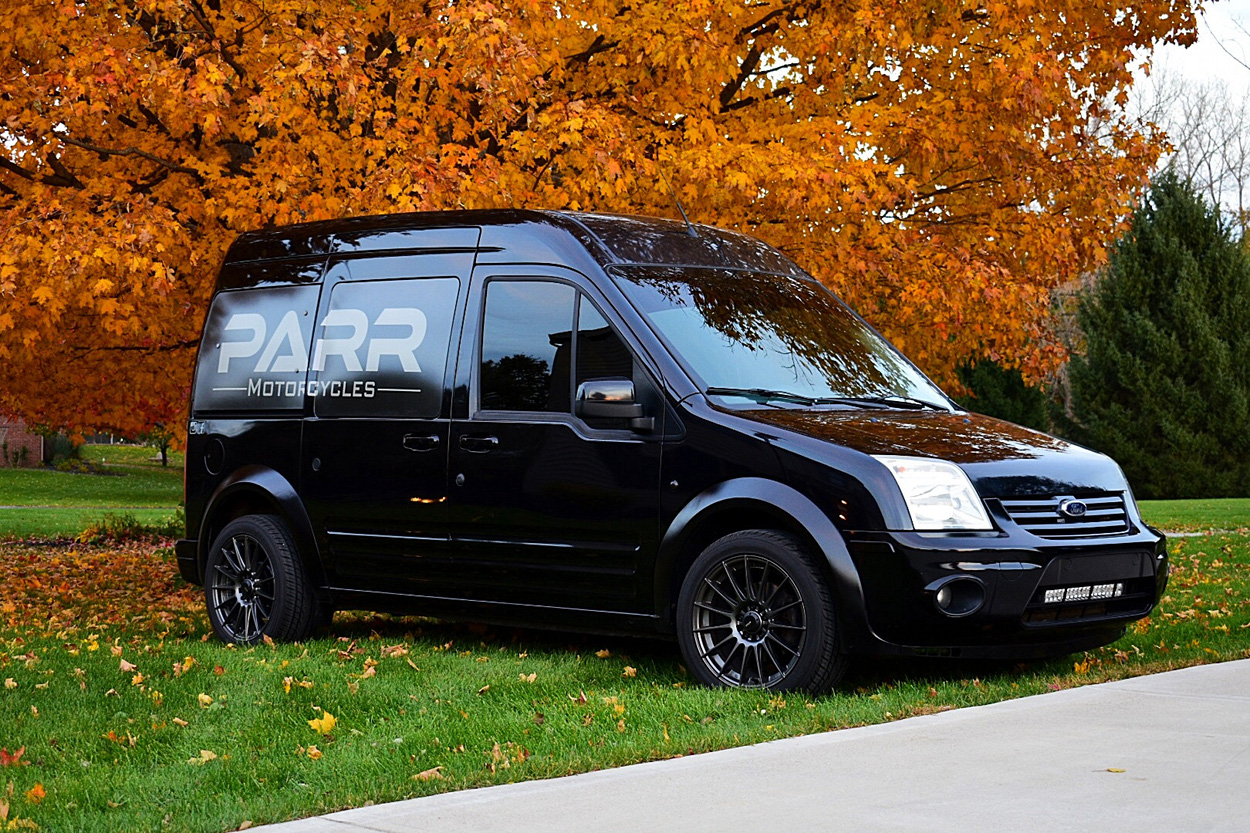
When the compact commercial vehicle segment gained popularity, the Ford Transit Connect van quickly established itself as the go-to choice for urban tradespeople, delivery services, and fleet managers. Offering the maneuverability of a passenger car paired with the utility of a traditional cargo vehicle, it bridged a crucial gap in the automotive market. Although Ford shifted its North American strategy, these versatile vans remain immensely popular on the used market and serve as the backbone for countless small businesses.
Overview and Evolution
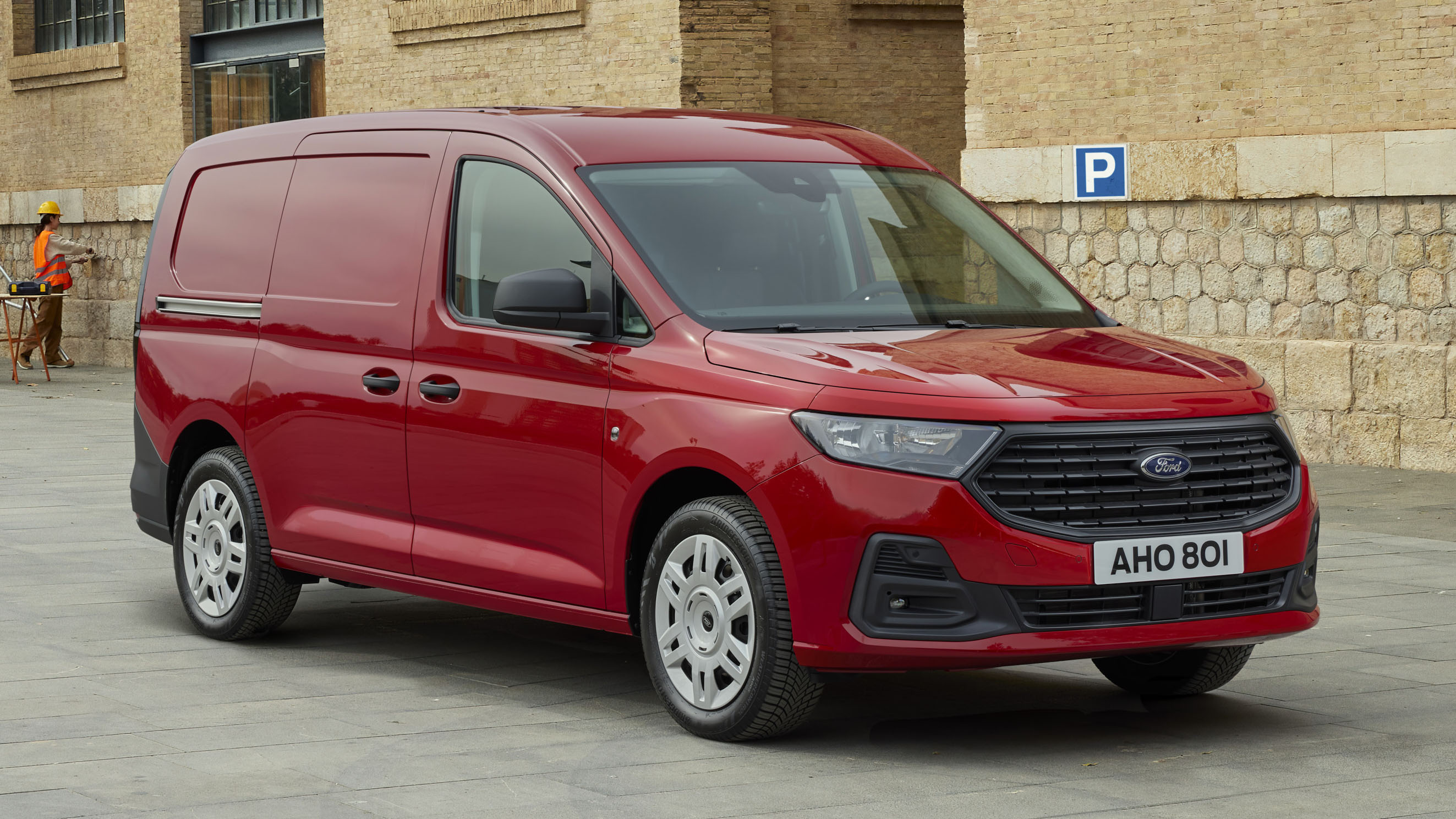
Introduced globally in the early 2000s and arriving in North America later that decade, the Ford Transit Connect transformed how companies approached local hauling. Unlike massive full-size vans that consume excessive fuel and struggle to park in tight city alleys, the Transit Connect featured a car-based platform that prioritized agility and efficiency.
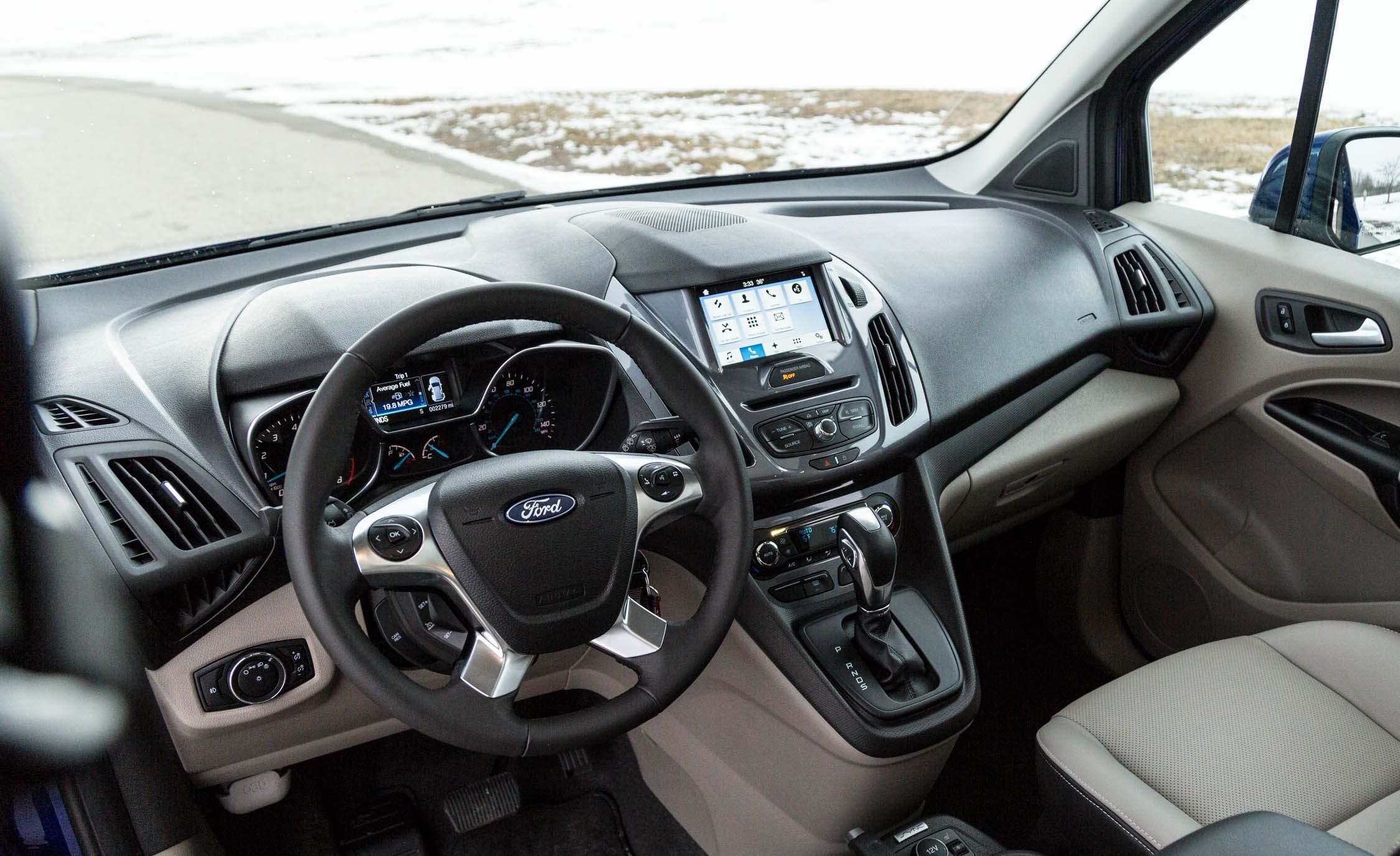
Over two distinct generations in North America, the vehicle evolved from a boxy, utility-first runabout into a refined, technology-equipped workspace. Engineers equipped later models with modern touchscreen infotainment systems, advanced driver-assistance features, and highly efficient four-cylinder engines that drastically lowered operating costs for business owners.
Key Specifications and Performance
Understanding the mechanical makeup of the Ford Transit Connect van helps buyers choose the right configuration for their specific workload. Most late-model versions feature responsive four-cylinder powerplants paired with smooth-shifting automatic transmissions.
Engine Options and Fuel Economy
Depending on the model year, buyers typically encounter two primary engine choices:
- 2.5L Duratec Four-Cylinder: A dependable, naturally aspirated engine known for longevity and ease of maintenance.
- 2.0L GDI Four-Cylinder: Introduced in later years, this direct-injection engine focuses on maximizing fuel efficiency for stop-and-go city delivery routes.
- 1.5L EcoBlue Turbo Diesel: Available in select markets, offering exceptional highway mileage for high-mileage couriers.
Fuel economy is where this platform truly shines. Averaging well into the mid-20s for combined city and highway driving, it saves businesses hundreds of dollars in fuel costs annually compared to heavier, V6-powered full-size alternatives.
Dimensions and Cargo Capacity
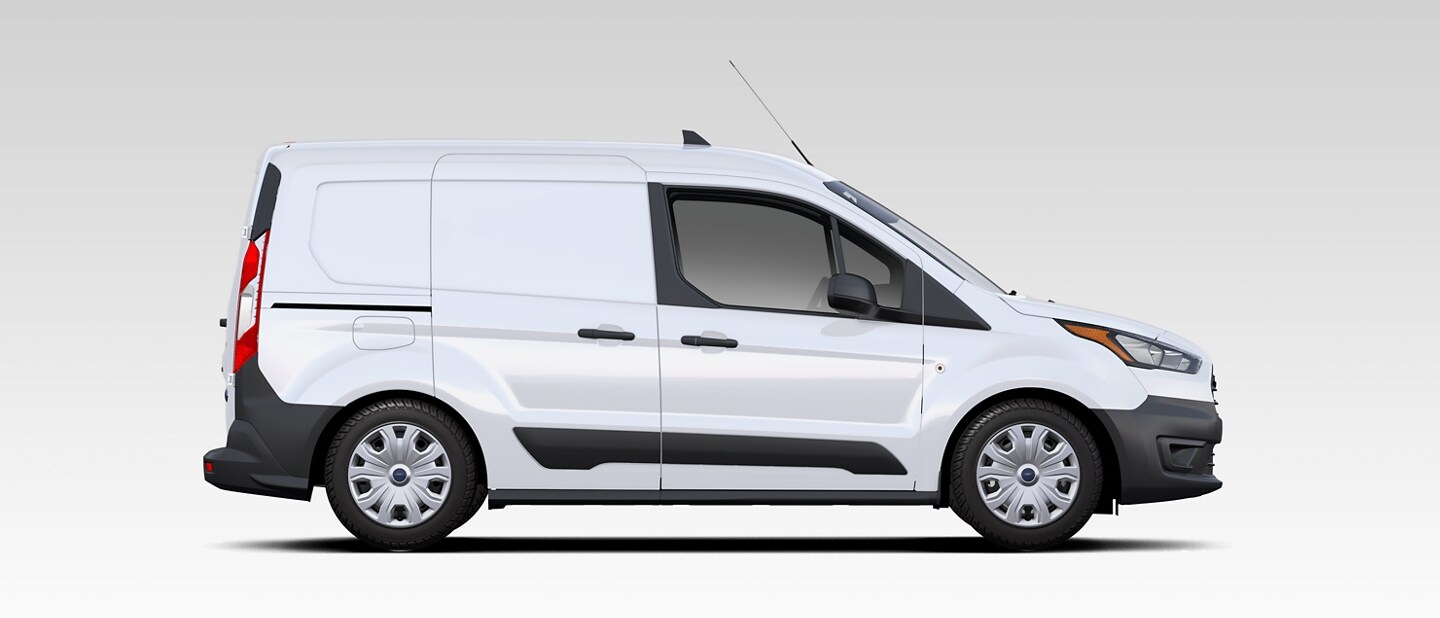
The Transit Connect comes in two main wheelbase configurations (Short Wheelbase and Long Wheelbase), yielding different cargo volumes:
- Cargo Volume: Ranges from roughly 100 to over 140 cubic feet depending on the roof height and wheelbase.
- Payload Capacity: Generally handles between 1,500 to 1,600 pounds of maximum payload, making it ideal for tools, parts, and mid-sized cargo boxes.
- Towing Capacity: When properly equipped with a factory tow package, many models can pull up to 2,000 pounds.
Body Styles: Cargo Van vs. Passenger Wagon
Ford engineered the platform to serve two distinct audiences by offering distinct body styles.
The Cargo Van Configuration
Designed strictly for work, the cargo variant features a steel bulkhead behind the front seats, a flat load floor with multiple tie-down anchors, and unglazed rear and side doors to secure valuable gear out of sight. Trades like electricians, plumbers, mobile groomers, and caterers routinely outfit these interiors with custom shelving units and ladder racks.
The Passenger Wagon Configuration
Configured with two or three rows of seating, the passenger wagon accommodates up to seven occupants. While marketed toward families needing ultimate utility, it also found a strong niche with airport shuttle services, hotel fleets, and pet transport businesses looking for a fuel-efficient people-mover.
Pros and Cons of Owning a Transit Connect
Every commercial vehicle involves trade-offs. Weighing the advantages against the limitations ensures you make an informed purchasing decision.
The Advantages
- City-Friendly Footprint: Fits easily into standard home garages, tight parking structures, and congested downtown streets.
- Low Operating Costs: High fuel efficiency and shared parts availability with Ford passenger cars keep maintenance bills manageable.
- Upfit Friendly: The boxy interior walls make installing custom wood or aluminum commercial shelving straightforward.
Low step-in heights also reduce driver fatigue compared to climbing into elevated full-size commercial trucks.
The Limitations
- Towing Restrictions: It cannot handle heavy-duty trailer towing or massive construction loads.
- Interior Materials: Work-spec models feature durable, hard plastics that prioritize easy cleaning over plush comfort.
- Limited Ground Clearance: Deep snow or unpaved job sites can challenge front-wheel-drive models.
Is the Ford Transit Connect Right For You?
If your daily operations involve navigating urban environments, hauling moderate amounts of equipment, and keeping fuel expenditures low, this compact van remains an exceptional asset. While new production has wound down, the robust secondary market ensures that reliable, well-maintained units will remain available for entrepreneurs and fleet operators for years to come. Assess your cargo volume, weight requirements, and daily mileage to determine if trading a bulky full-size van for this agile platform fits your business model.