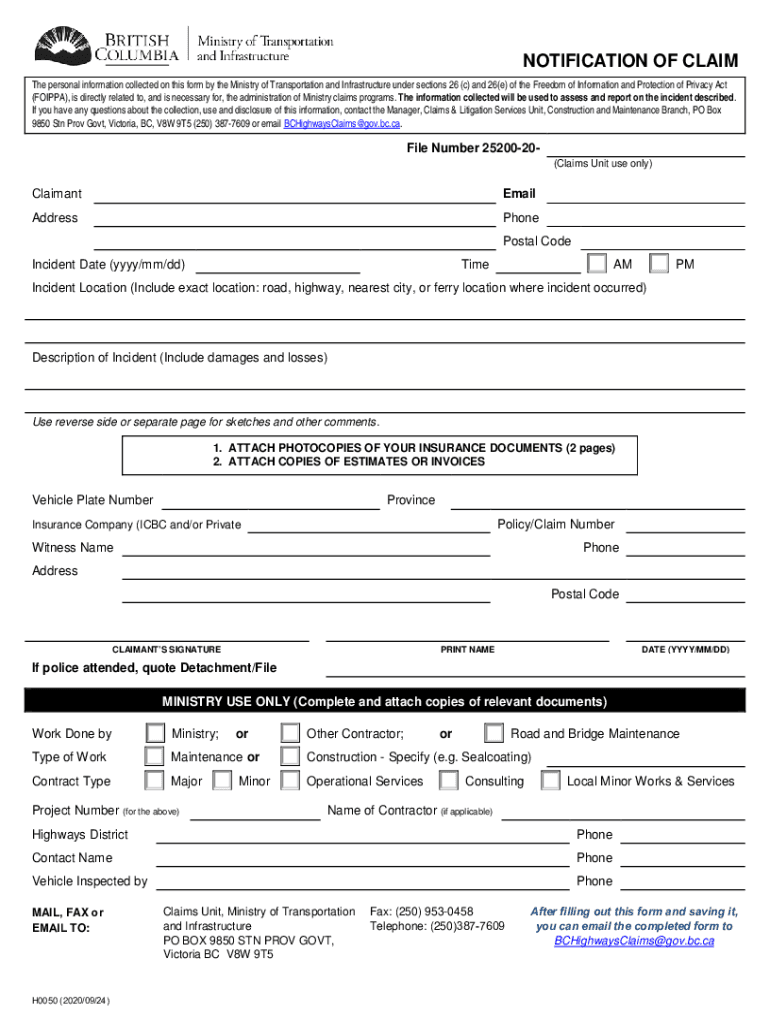
Form H0050 Eligibility Criteria You Should Know About
Navigating state-sponsored home health and attendant care can feel overwhelming, especially when faced with complex paperwork. If you or a loved one requires daily assistance to remain living independently at home, understanding the Form H0050 eligibility criteria you should know about is a vital first step. Used within state health programs—most notably by the Texas Health and Human Services Commission (HHSC)—Form H0050 serves as a standardized assessment instrument to determine whether an applicant qualifies for long-term services and supports (LTSS).

Whether you are applying for Primary Home Care (PHC), Community Attendant Services (CAS), or Family Care (FC), this assessment determines the level of help you qualify for and the number of service hours the state will authorize. Below is a detailed breakdown of the functional, financial, and medical standards required to qualify.
What Is Form H0050?
Form H0050 is an administrative and clinical assessment tool utilized by caseworkers and program evaluators to measure an individual's physical, functional, and unmet needs. Rather than acting as a simple application form filled out by the patient, Form H0050 is administered by an HHSC caseworker or healthcare assessor during an in-home or clinical evaluation.
The form assesses your ability to perform basic daily tasks, identifies what support systems (such as family members) are already in place, and establishes whether institutional level of care can be safely prevented by providing in-home attendant services.
Key Form H0050 Eligibility Criteria You Should Know About
Qualifying for assistance through Form H0050 requires satisfying several intersecting categories of eligibility. An applicant cannot qualify based on financial need alone; functional impairment and medical justification are equally critical.
1. Functional Need and ADL Scoring
The primary component of Form H0050 evaluates an applicant's capacity to perform Activities of Daily Living (ADLs) and Instrumental Activities of Daily Living (IADLs). Each activity receives an impairment score based on the applicant's level of independence:
- Activities of Daily Living (ADLs): Bathing, dressing, personal hygiene, transferring (moving from bed to chair), mobility/locomotion, and toilet use.
- Instrumental Activities of Daily Living (IADLs): Meal preparation, light housework, grocery shopping, laundry, and medication management.
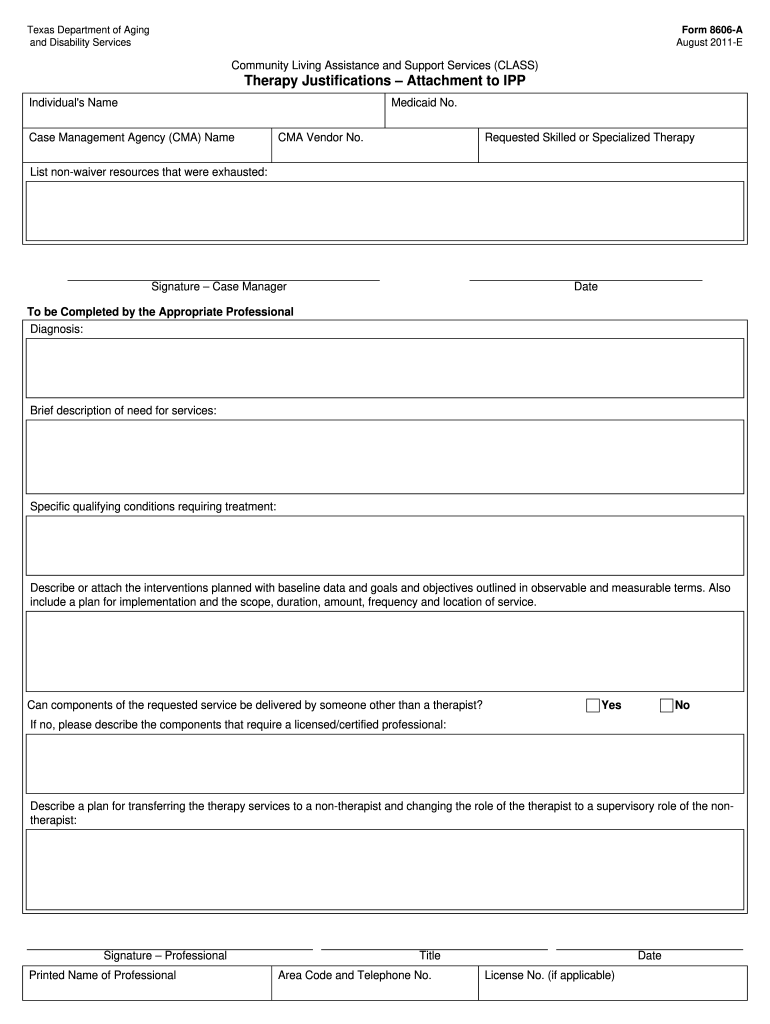
To establish functional eligibility, you must achieve a minimum qualifying score on the assessment scale (frequently cross-referenced with Form 2060, the Task/Impairment Score Sheet). Typically, an individual must demonstrate a need for assistance in at least one personal care task (ADL) to receive attendant care services. Casual needs, such as needing help only with yard maintenance or heavy household chores, do not meet functional criteria.
2. Financial and Income Thresholds
Form H0050 routes applicants into specific state programs based on their financial standing:
- Medicaid-Based Programs (e.g., Primary Home Care): Applicants must already receive Supplemental Security Income (SSI) or qualify for categorical Medicaid. Income must remain below the state-specified Medicaid cap.
- Community Attendant Services (CAS): Designed for individuals who meet functional and medical standards and have incomes up to 300% of the SSI federal benefit rate, qualifying through special Medicaid waiver criteria.
- Family Care (Non-Medicaid): Intended for low-income individuals who do not qualify for Medicaid but cannot afford private in-home care. This program is subject to state legislative funding limits and often maintains a waiting list.
In addition to income limits, asset limits generally apply (typically $2,000 for an individual or $3,000 for a married couple, excluding an exempt primary residence and one personal vehicle).
3. Medical Necessity and Physician Certification
Functional limitations must stem from a medically recognized physical or mental health condition. A caseworker cannot approve attendant services without medical documentation from a licensed medical professional.
- Documented Medical Condition: Your functional decline must be tied to a diagnosed chronic illness, permanent disability, or severe post-acute limitation expected to persist for at least six months.
- Practitioner's Statement of Medical Need: A physician, advanced practice registered nurse (APRN), or physician assistant must submit documentation confirming that the applicant requires assistance with personal care to maintain health and safety.
4. Living Arrangement and Unmet Need
Form H0050 explicitly accounts for an applicant's social environment and natural supports:
- Community Setting: You must live in your own home, an apartment, or an unlicensed residential living setting. Individuals residing in nursing homes, assisted living facilities, or acute-care hospitals are not eligible for these community attendant programs.
- Demonstrated Unmet Need: The state only funds care that cannot be reasonably provided by informal caregivers (such as a spouse or adult child living in the home). If family members already handle all personal care tasks safely, the state may determine there is no unmet need for public assistance.
The Form H0050 Evaluation Process: What to Expect
The assessment process follows a predictable sequence once your initial application is received by your local HHSC or community services office:
- The Home Visit: A state caseworker schedules a visit to your home. They will observe your mobility, inspect your living environment for safety hazards, and ask direct questions about your daily routine.
- Task-by-Task Review: The assessor reviews every daily living task. You will be asked how you shower, dress, prepare meals, and take your medications, and whether you experience pain or fall risks during these activities.
- Calculation of Authorized Hours: If you meet the eligibility criteria, the caseworker calculates how many minutes or hours per week are required for each authorized task. This creates your total authorized service plan.
- Provider Selection: Once approved, you choose a licensed Home and Community Support Services Agency (HCSSA) to send an attendant, or you may choose the Consumer Directed Services (CDS) option to hire your own attendant.
Common Reasons for Denial and How to Prepare
Applications tied to Form H0050 assessments are frequently denied for avoidable procedural errors or misunderstandings during the interview. Keep these common pitfalls in mind:
- Understating Limitations: Many applicants feel embarrassed discussing personal hygiene struggles and tell the caseworker, "I manage fine." Always answer based on your worst health days, not your best.
- Incomplete Physician Documentation: If your doctor fails to return the required medical statements within the statutory deadline, your file will be closed automatically.
- Excess Assets: Having small secondary bank accounts or life insurance cash values that push your resources over the program ceiling can trigger a financial denial.
If your assessment results in a denial or an inadequate allocation of care hours, you have the legal right to request a Fair Hearing. You must file this appeal within the specific timeframe indicated on your Notice of Eligibility (typically 90 days from the notice date).
Final Checklist for Applicants
Before your Form H0050 assessment takes place, gather the following items to ensure an efficient evaluation:
- Proof of income (Social Security award letters, pension statements).
- Recent bank statements for all open accounts.
- A complete list of current prescription medications and dosages.
- Contact information for your primary care physician.
- A detailed log of daily tasks you cannot complete independently without assistance.
By preparing documentation in advance and understanding the functional and financial standards evaluated on Form H0050, you maximize your likelihood of securing the attendant care hours necessary to remain safe, comfortable, and independent at home.