Frats at PSU: The Complete Penn State Greek Guide
Fraternity life at Pennsylvania State University represents one of the largest and most historic Greek communities in the United States. For incoming students exploring frats psu offers dozens of active organizations ranging from social and multicultural houses to professional and service fraternities. However, navigating Greek life in University Park requires a clear understanding of university oversight, strict eligibility rules, and recruitment timelines.

Whether you are an incoming freshman planning your college journey or a current student considering joining a chapter, this guide breaks down everything you need to know about Penn State fraternities, including the rush process, safety regulations, housing, and financial commitments.
The Structure of Greek Life at Penn State
Fraternities at Penn State fall under four primary governing councils managed in coordination with the Office of Fraternity and Sorority Life (OFSL). While social fraternities receive the most public attention, the university supports a wide variety of fraternal organizations:
- Interfraternity Council (IFC): The largest governing council, representing traditionally housed social fraternities. These chapters are affiliated with national organizations under the North American Interfraternity Conference (NIC).
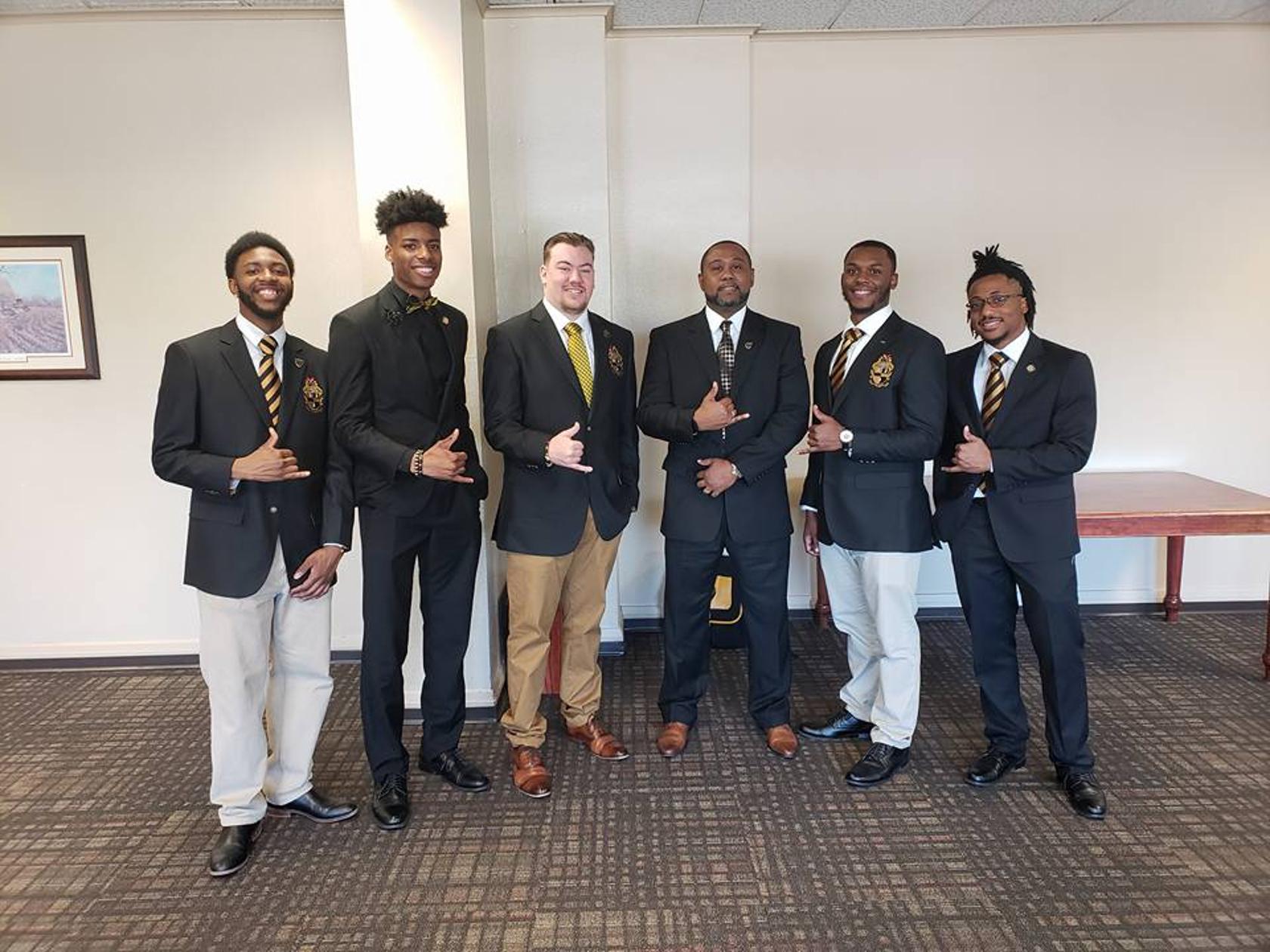
- National Pan-Hellenic Council (NPHC): Commonly known as the "Divine Nine," this council governs historically Black Greek-letter organizations that focus heavily on community service, cultural legacy, and lifetime membership.
- Multicultural Greek Council (MGC): Houses culturally oriented fraternities, including Latinx, Asian-interest, and multicultural organizations dedicated to identity, leadership, and community advocacy.
- Professional and Service Fraternities: Non-IFC organizations oriented around specific majors (such as engineering, business, or agriculture) or co-ed community service (such as Alpha Phi Omega).
Navigating Frats at PSU: Recruitment and Eligibility
Recruitment at Penn State is strictly regulated by the university to ensure students establish their academic footing before joining a fraternity.
The Deferred Recruitment Rule
Unlike many schools where freshmen can join a fraternity during their first week on campus, Penn State enforces a deferred recruitment policy for IFC fraternities. First-semester freshmen cannot participate in fall rush. To be eligible to rush an IFC chapter, you must meet the following baseline requirements:
- Have completed at least 14 credit hours at a Penn State campus, or 27 transfer credits from an accredited college or university.
- Hold a cumulative grade-point average (GPA) of 2.50 or higher.
- Have no active conduct probations or major disciplinary records with the university.
- Complete the mandatory educational online modules administered by Penn State OFSL before registering.
Because of this rule, the primary intake period for IFC chapters occurs during Spring Rush, typically kicking off in mid-January. Some chapters also host a smaller Fall Rush targeted at sophomores, juniors, and transfer students.
How IFC Rush Works
The IFC recruitment process generally spans two to three weeks and consists of several stages:
- Registration: Students register through the university's Greek recruitment portal (CampusDirector) and verify their academic eligibility.
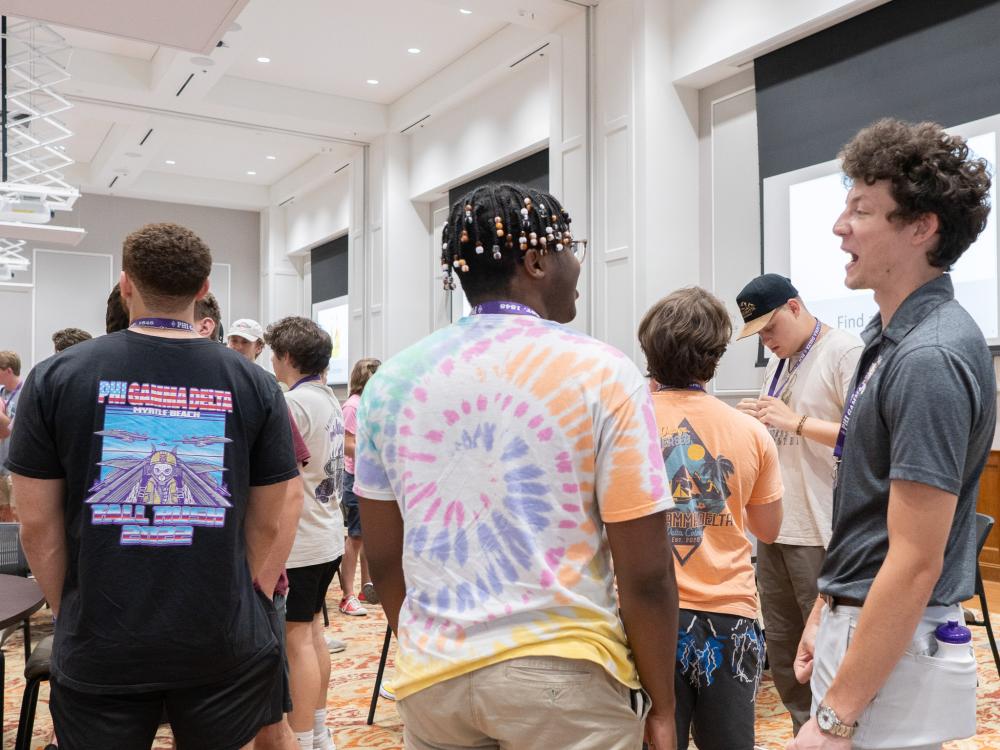
- Zone Days / Open Houses: Potential New Members (PNMs) visit various fraternity houses across the borough of State College to meet brothers and learn about chapter values.
- Invite-Only Events: Chapters narrow down their lists and invite select PNMs back for smaller gatherings, such as dinners, sporting events, or casual game nights.
- Bid Day: Chapters extend formal offers of membership (bids). PNMs can accept, defer, or decline their bid.
Fraternity Housing and the State College Community
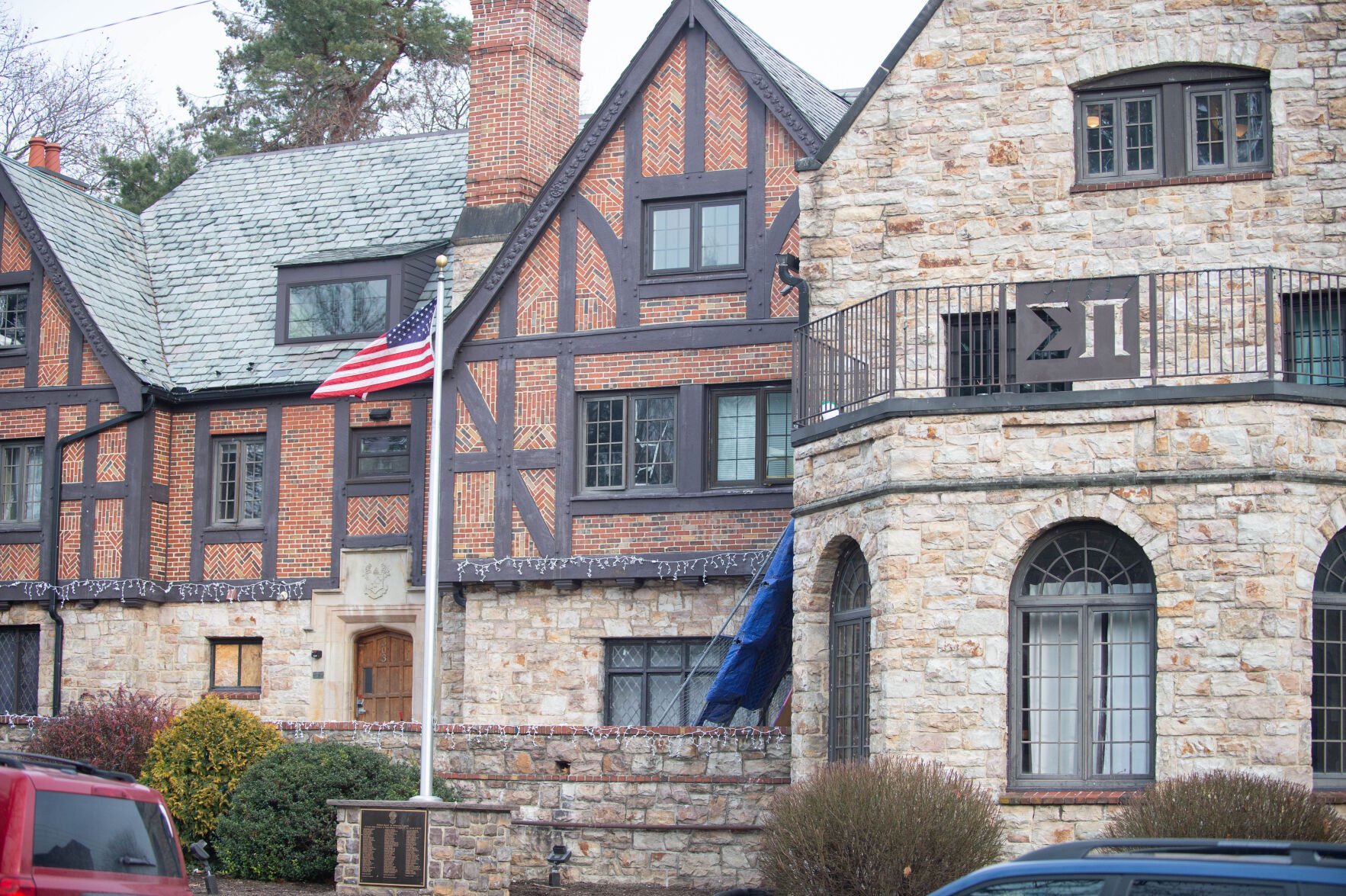
One defining characteristic of IFC fraternities at Penn State is the off-campus architecture. Most established IFC chapters operate large, privately owned fraternity houses located in the Highlands and College Heights neighborhoods directly adjacent to campus.
Fraternity houses in State College are privately owned by alumni housing corporations, not by Penn State itself. Living in a chapter house is common for sophomores and juniors, and many chapters mandate that initiated members live in the house for at least two semesters to fill their occupancy agreements.
Room and board rates in fraternity houses are often competitive with downtown State College high-rises, frequently including meals prepared by an in-house chef, parking, and utility packages.
Philanthropy and THON Involvement

You cannot talk about fraternities at Penn State without mentioning the Penn State IFC/Panhellenic Dance Marathon, commonly known as THON. It is the largest student-run philanthropy in the world, benefiting Four Diamonds at Penn State Health Children’s Hospital.
Fraternities frequently pair with Panhellenic sororities to form year-round fundraising teams. These pairings organize events, host family visits for pediatric cancer patients, and field dancers who stand for 46 consecutive hours during the marathon weekend in February. Greek pairings consistently account for a massive share of the millions of dollars raised each year, making THON central to fraternity identity at PSU.
Safety, Reform, and the Penn State Greek Scorecard
Following the tragic death of Timothy Piazza in 2017, Penn State enacted comprehensive Greek life reforms that reshaped how fraternities operate. These policies are among the strictest in the nation and have since influenced state anti-hazing legislation.
The Timothy J. Piazza Antihazing Law
Pennsylvania law treats hazing as a serious criminal offense, categorizing aggravated hazing as a felony. Penn State enforces a zero-tolerance stance: any chapter or individual found responsible for hazing faces immediate suspension, expulsion, and potential criminal charges.
The Greek Chapter Scorecard
To provide complete transparency to students and parents, the Penn State Division of Student Affairs publishes an updated Greek Chapter Scorecard each semester. Available publicly on the university website, the scorecard details:
- Total active members and new member numbers
- Average chapter GPA compared to the all-men’s campus average
- Total community service hours and philanthropy dollars raised
- Current university or council sanctions, probation statuses, or suspensions
- Any historical violations regarding alcohol or hazing
Before rushing any fraternity at PSU, every student should consult the scorecard to ensure the chapter is in good standing with both the university and the town borough.
Recognized vs. Unrecognized Chapters
Students must be cautious regarding unrecognized fraternities. Unrecognized groups are organizations that have had their university charters revoked due to severe conduct, hazing, or alcohol violations, yet continue to operate covertly off-campus. These underground groups have no university oversight, no professional insurance, and zero official standing. Joining or associating with unrecognized chapters poses substantial personal and disciplinary risk.
Financial and Time Commitments
Joining a fraternity involves both financial investment and substantial time management. Costs vary widely depending on whether the chapter operates a physical facility:
- New Member Dues: Typically higher during your first semester due to national initiation fees, insurance, and pledge materials ($500–$1,500).
- Active Member Dues (Out-of-House): Ranging from $400 to $1,200 per semester to cover social events, council fees, and philanthropy projects.
- Parlor Fees / In-House Costs: If living in the facility, room and board packages generally range between $4,500 and $7,500 per semester, which often displaces regular apartment rent.
Prospective members should openly ask chapter treasurers for an itemized breakdown of dues during the recruitment process so there are no hidden surprises later.
Making the Right Choice
Fraternities at Penn State can provide a strong sense of community, professional networking, leadership opportunities, and lifelong friendships. However, the experience depends heavily on finding an organization whose culture matches your academic ambitions and personal values. Use the deferred recruitment semester to focus on your grades, explore campus clubs, research the Greek Scorecard, and approach recruitment with clear expectations.