Free Math Worksheets Year 2: Guide & Resources
Mastering Numeracy with Math Worksheets Year 2
Children aged 6 to 7 undergo a significant shift in how they process numbers. Moving away from simple counting, they begin to tackle mental arithmetic, understand place value, and explore early multiplication and division. Finding the right math worksheets year 2 can make all the difference in turning frustration into confidence.
Structured practice helps reinforce what is taught in the primary classroom. Whether you are a teacher looking for morning starters or a parent supporting home learning, targeted worksheets provide a clear, trackable way to build fundamental math skills.
Core Topics Covered in Year 2 Mathematics
The Year 2 math curriculum is broad, focusing on building fluency, reasoning, and problem-solving skills. To help children progress, practice should span several key mathematical domains.
1. Addition and Subtraction Within 100
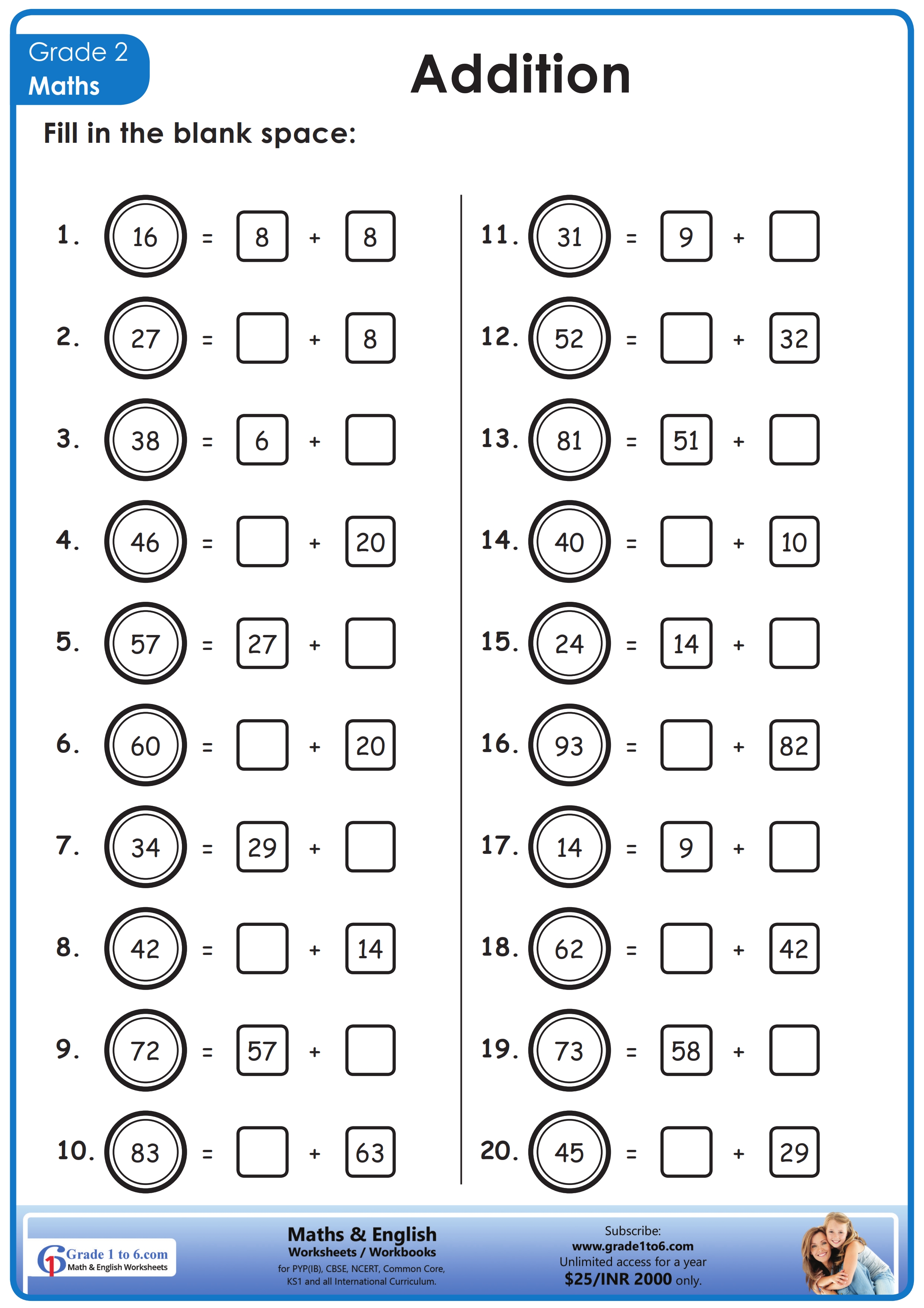
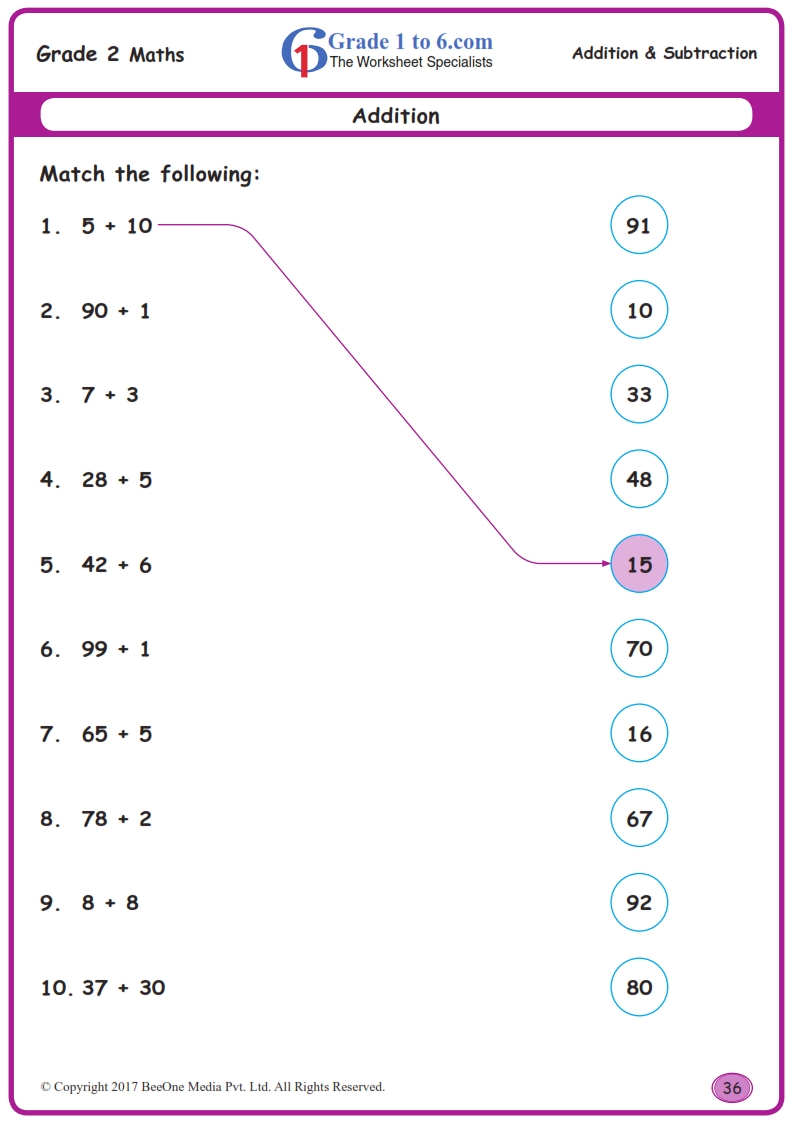
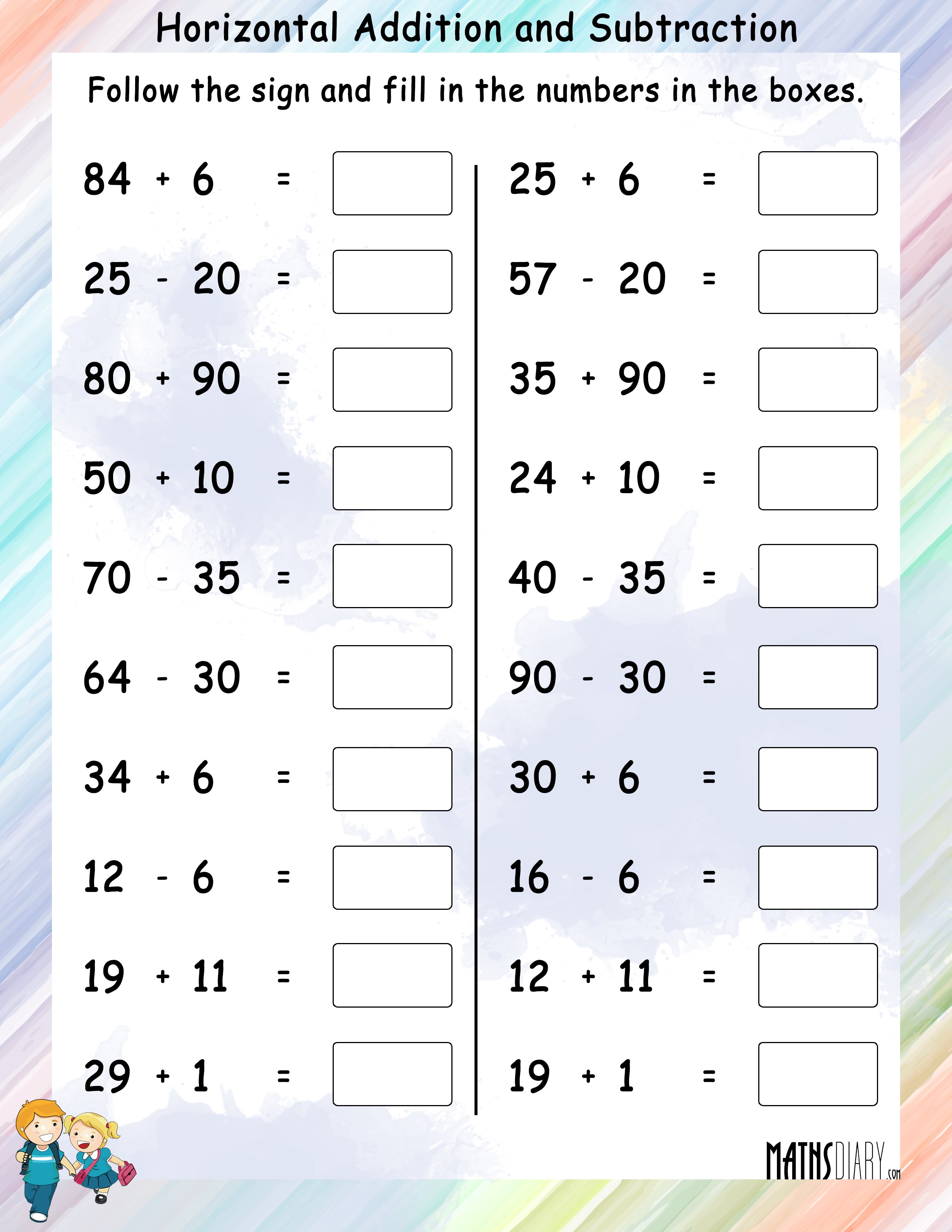
By Year 2, children are expected to add and subtract numbers mentally, including a two-digit number and a single digit, and two two-digit numbers. Worksheets featuring number bonds to 20 and 100 lay the groundwork for these advanced calculations.
- Adding and subtracting across ten (e.g., 38 + 5)
- Using inverse operations to check answers
- Solving one- and two-step word problems
2. Multiplication and Division
Multiplication is introduced as repeated addition, while division is framed as grouping and sharing. Year 2 pupils primarily focus on the 2, 5, and 10 times tables.
- Counting in steps of 2, 3, 5, and 10
- Array worksheets to visualize multiplication equations
- Basic division grouping exercises
3. Fractions of Shapes and Quantities
Fractions can be abstract for young learners, so visual worksheets are essential. Year 2 students learn to recognize, find, write, and name fractions 1/3, 1/4, 1/2, and 3/4 of a length, shape, set of objects, or quantity.
4. Measurement, Geometry, and Time
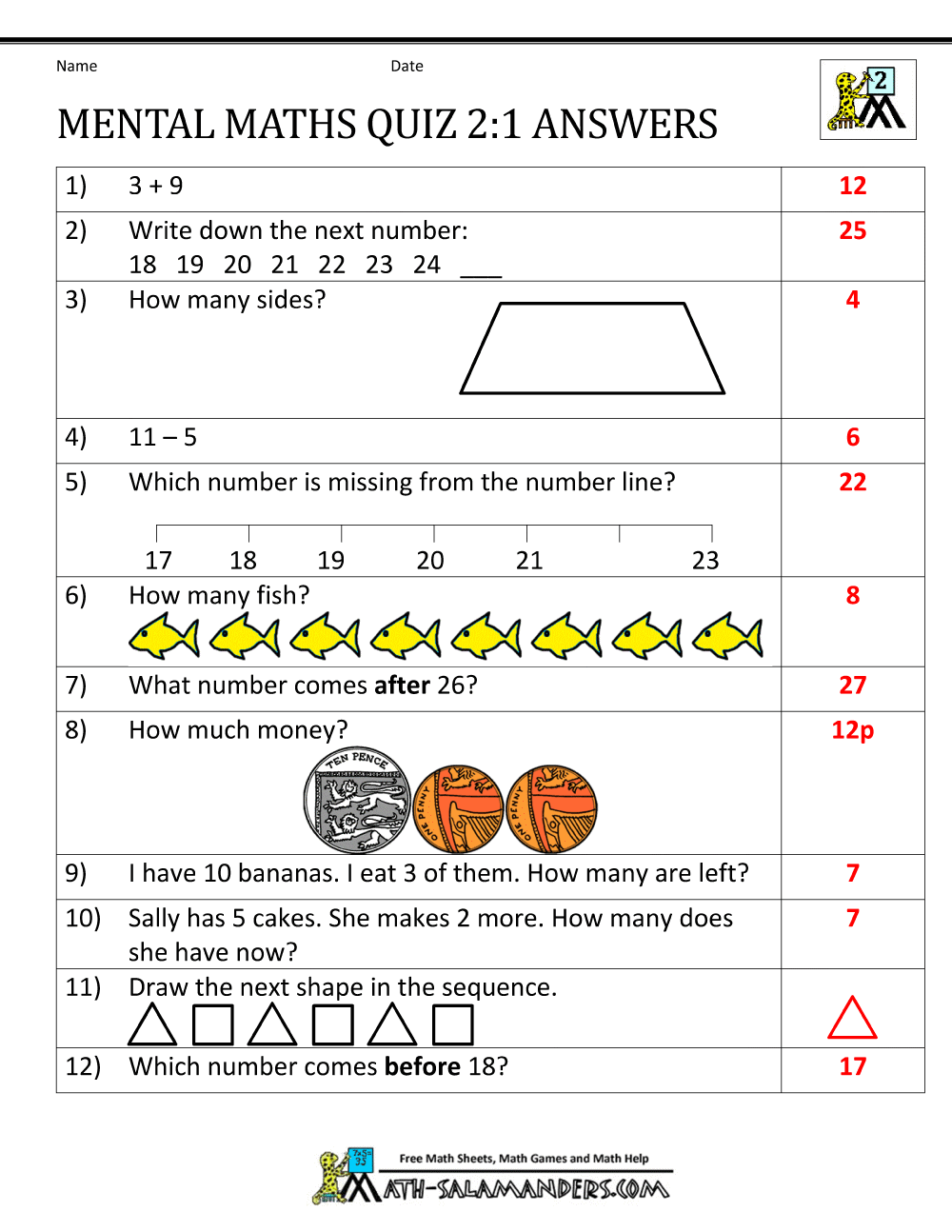
Video: 2025 Math Quiz Bee for Grade 2 | Quiz 1 | Number Sense | Quiz by brainYs

Math isn't just about numbers on a page. Year 2 students also explore the physical properties of shapes and standard units of measurement.
- Identifying properties of 2D and 3D shapes (vertices, edges, lines of symmetry)
- Measuring length (cm/m), mass (g/kg), and temperature (°C)
- Telling time to the nearest quarter hour using analog clocks
How to Make the Most of Printable Math Resources
Printing out sheets of problems is easy, but keeping a 6-year-old engaged requires strategy. Follow these best practices to ensure practice sessions remain productive and positive.
Keep Sessions Short and Frequent
Attention spans at age seven are limited. Instead of a grueling 45-minute math session, opt for 10 to 15 minutes of focused worksheet practice four or five times a week. Consistency builds memory retention far better than occasional cramming.
Use Manipulatives Alongside Paper
Math shouldn't live exclusively on paper. If a worksheet asks subtraction questions involving numbers up to 50, use counters, LEGO bricks, or dried beans to let the child physically act out the problem before writing the answer down.
Focus on Understanding, Not Just Speed
Speed drills can create math anxiety. Encourage children to explain how they arrived at an answer. Asking "Can you show me how you solved this?" helps reveal misconceptions immediately.
Choosing the Right Worksheets for Your Child
Not all printables are created equal. When selecting materials for your classroom or kitchen table, look for resources that offer:
- Clear, uncluttered layouts: Too many graphics or cramped text can overwhelm a child with visual processing challenges.
- Progressive difficulty: The best sheets start with gentle warm-up questions and gradually introduce more challenging multi-step problems.
- Answer keys: Quick-check answer sheets save time for busy educators and parents alike.
By combining hands-on learning with regular, well-chosen practice sheets, you can help any child develop a robust understanding of foundational mathematics.