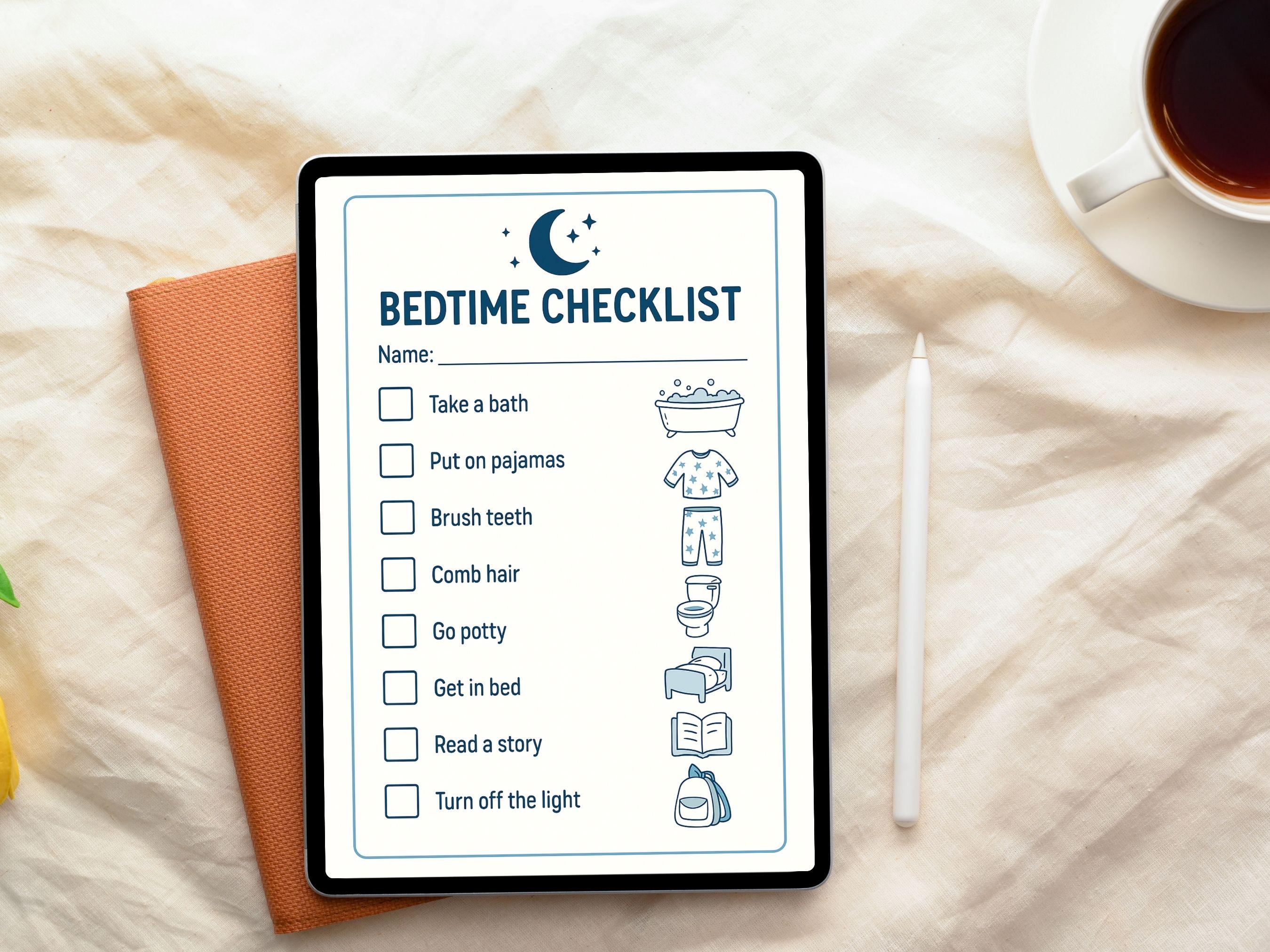
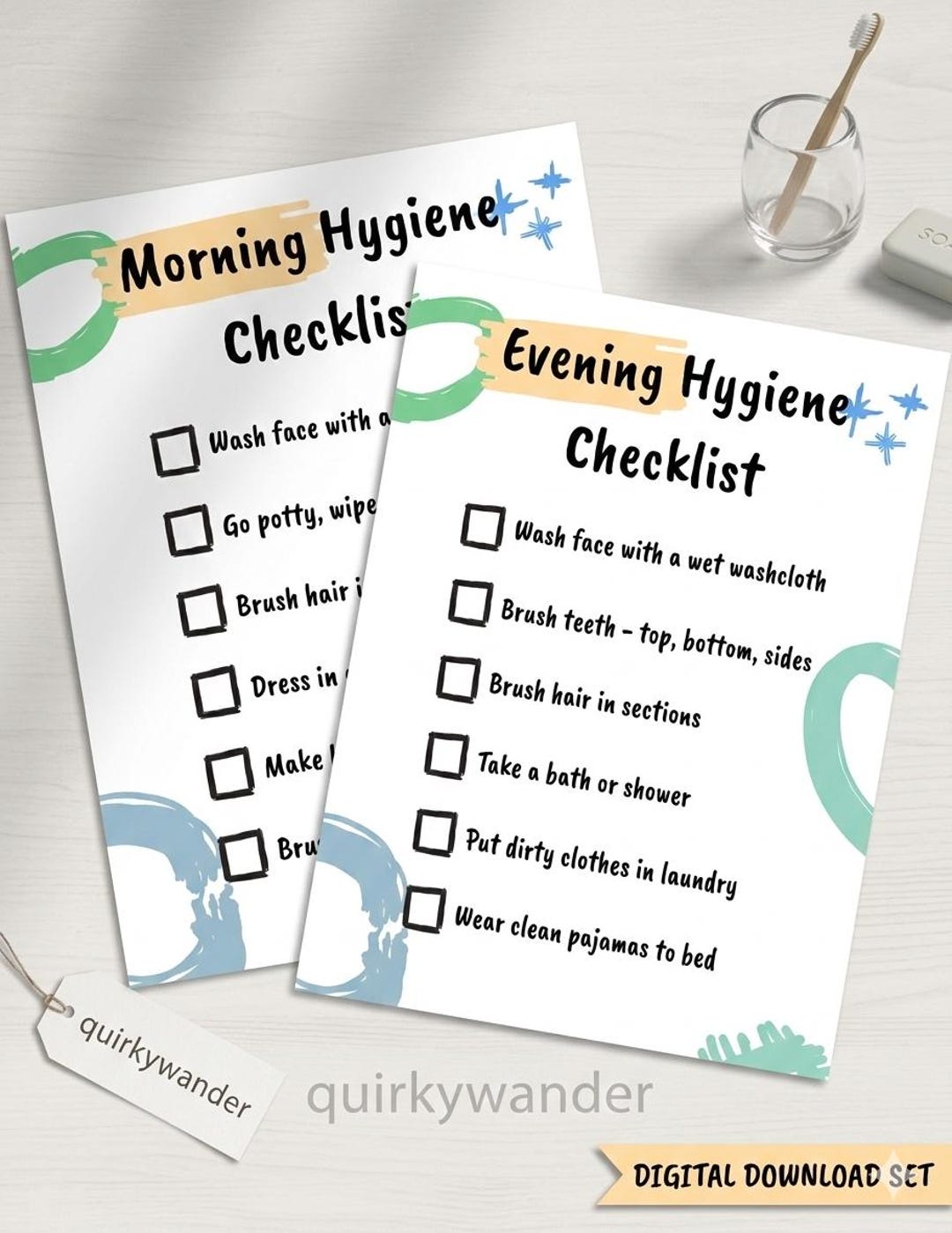
Free Night Time Hygiene Checklist for Kids Printable
Evenings with young children can easily devolve into a chaotic cycle of repeated reminders, bargaining, and stalled bedtime routines. When kids are tired, their executive functioning drops, making simple self-care instructions feel overwhelming. Introducing a night time hygiene checklist for kids printable turns abstract verbal demands into a concrete, interactive roadmap. It removes the parent as the enforcer and lets a visual routine guide the evening toward calm, predictable sleep.

Why Visual Checklists Eliminate Bedtime Battles
Children thrive on predictability. When expectations are purely verbal, children often perceive repeated parental prompts as nagging or arbitrary power struggles. A visual chart fundamentally shifts this dynamic.
Research in child development shows that visual schedules reduce anxiety by providing clear external markers of what comes next. By checking off completed tasks, children gain a tangible sense of accomplishment and autonomy. Instead of asking, “Did you brush your teeth yet?” you can simply ask, “What does your checklist say is next?” This simple shift fosters intrinsic motivation and self-management skills that extend well beyond the bathroom.
Essential Steps for Your Night Time Hygiene Checklist for Kids Printable
A successful evening routine balances thorough cleanliness with efficiency. If a checklist is too long, children lose focus; if it is too sparse, critical habits get missed. Here are the core pillars to include in a well-rounded hygiene schedule.
1. Warm Bath or Shower
A nightly or alternating-night bath does more than wash away playground grime. The biological process of warming up in the water and then cooling down afterward triggers the body’s natural release of melatonin, signaling to the brain that it is time to sleep.
- Wash body with a mild, fragrance-free soap.
- Rinse off thoroughly to prevent skin irritation.
- Hang up damp towels on a designated hook to encourage tidiness.
2. Face and Hand Washing
On non-bath nights, a dedicated face and hand wash is essential. Children touch dozens of communal surfaces daily and frequently rub their eyes when tired.
- Scrub hands with warm water and soap for at least 20 seconds.
- Gently wipe the face with a warm, damp washcloth to remove food residues, dirt, and allergens.
3. Oral Care: Brush and Floss
Dental hygiene is often the greatest flashpoint of the night. Breaking oral care into clear, non-negotiable steps helps normalize the practice.
- Brushing: Use a soft-bristled brush with fluoride toothpaste (a pea-sized amount for children aged 3 and older) for a full two minutes.
- Flossing: Clean between any teeth that touch. Child-friendly floss picks make this manageable for small hands.
- Rinsing: Spit thoroughly without immediately washing away the protective fluoride barrier with water, if recommended by your pediatric dentist.
4. Hair Care
Tackling tangled hair at night saves precious time during the morning rush. A gentle brushing distributes natural oils and keeps long hair from knotting overnight.
- Detangle hair starting from the ends and working upward.
- Tie longer hair into a loose braid or ponytail to prevent matting during sleep.
5. Fresh Pajamas and Dirty Clothes Away
Hygiene extends to the sleep environment. Putting on clean sleepwear reinforces the boundary between daytime activity and nighttime rest.
- Change into breathable, seasonal sleep clothes.
- Place daytime clothes directly into the laundry hamper rather than on the floor.
6. Final Bathroom Visit

A final trip to the toilet right before getting into bed minimizes midnight awakenings and reduces the likelihood of nighttime accidents for younger kids.
Adapting the Checklist by Age
Hygiene capabilities change dramatically as children grow. Tailor your printable to match your child’s specific developmental stage.
Toddlers and Preschoolers (Ages 2 to 4)
At this age, printables should rely almost entirely on clear icons or photos rather than text. Limit the routine to four or five core actions. Parents will still perform the actual cleaning, but the child can point to the pictures and complete small, empowered steps like holding the toothbrush or dropping dirty clothes into the basket.
Early Elementary (Ages 5 to 8)
Children in early grades can read simple words paired with icons. They are capable of performing most hygiene steps independently but still require parental inspection—particularly for thorough tooth brushing and ear-to-ear face washing. Interactive elements like sliding tabs or dry-erase checkboxes work exceptionally well for this group.
Tweens (Ages 9 to 12)
As puberty approaches, hygiene needs evolve. Replace toddler graphics with a sleek, checklist-style list. Add steps such as washing with an acne-friendly face wash, applying deodorant, and managing body changes. At this stage, the printable serves as a quiet personal reminder rather than a monitored chore chart.
How to Set Up Your Printable for Daily Success
To ensure your checklist survives the damp bathroom environment and remains appealing over time, follow these practical setup tips:
- Laminate the Sheet: Run your printed checklist through a thermal laminator or slip it into a heavy-duty, clear plastic page protector. This shields the paper from water splashes and toothpaste splatters.
- Use Dry-Erase Markers: Give your child a dry-erase pen or stickers to mark their progress each evening. Wiping it clean every morning resets the expectation for the upcoming night.
- Mount at Eye Level: Hang the chart directly on the bathroom mirror or on the wall next to the sink using removable adhesive strips. If it is tucked away inside a cabinet, it will be forgotten.
- Keep Supplies Within Reach: Ensure step stools, toothbrushes, flossers, and washcloths are easily accessible to the child without requiring adult assistance. Environmental design is half the battle in habit formation.
Troubleshooting Routine Resistance
Even with an engaging chart, resistance can still occur. When fatigue sets in, children may stall or refuse to cooperate. Here is how to keep the routine on track without resorting to shouting:
Start earlier than you think. The most common mistake parents make is beginning the hygiene routine when the child is already overtired. Initiate the checklist 30 to 45 minutes before bedtime, while your child still has the emotional bandwidth to cooperate.
Incorporate audio cues. Pair the checklist with a fun two-minute brushing song or an audiobook chapter that only plays while hygiene tasks are being actively completed. This transforms dull hygiene into an engaging sensory transition toward sleep.
Focus on consistency over perfection. If an evening goes completely off the rails due to illness or travel, complete the bare essentials (teeth and toilet) and resume the full checklist the following night. Reliability, not perfection, builds lasting habits.
By putting a visual structure in place, you take the friction out of evening hygiene. A clear checklist provides your child with the scaffolding they need to master personal care, leading to healthier habits, calmer evenings, and better sleep for the whole family.