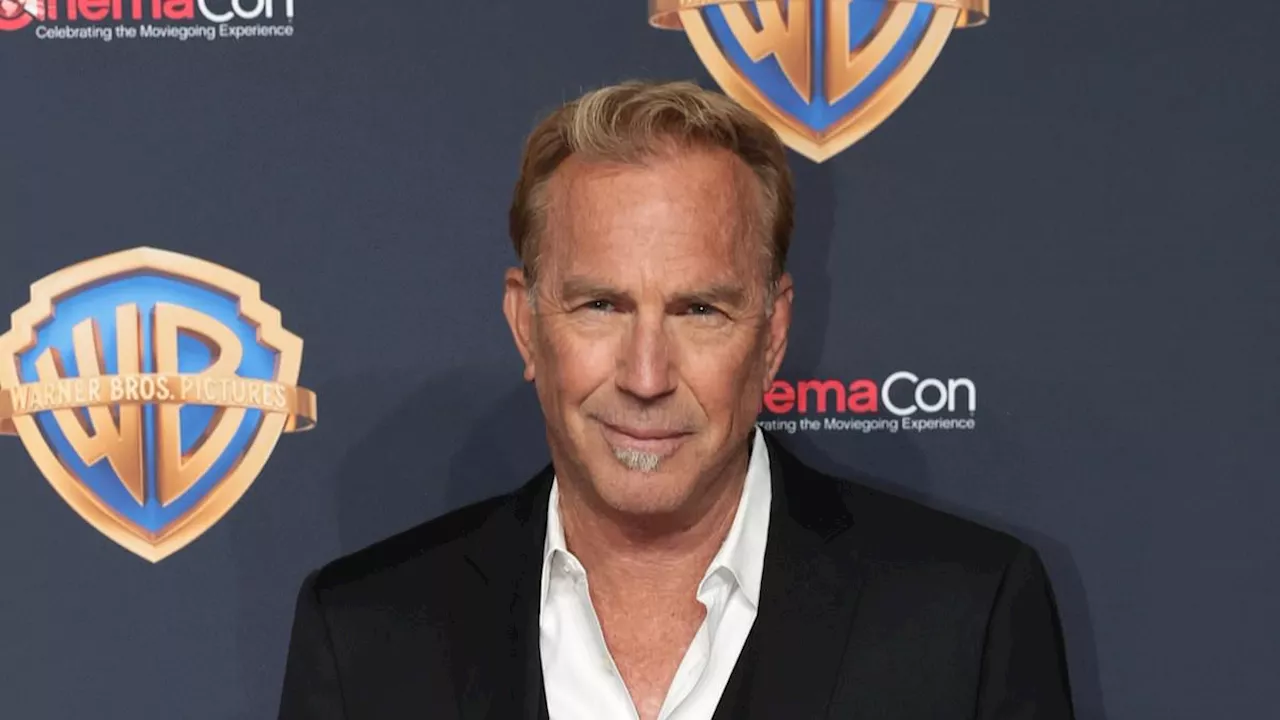
From Fact to Fortune: How Kevin Costner Built a $100M+ Empire
Few actors in cinematic history have bet on themselves quite like Kevin Costner. From indie passion projects to prime-time television, his financial trajectory is defined not by safe studio paychecks, but by bold, calculated risks. Looking at the journey From Fact to Fortune: How Kevin Costner Built a $100M+ Empire! reveals a masterclass in equity participation, land acquisition, and entrepreneurial resilience.

While most movie stars leave their wealth in the hands of traditional wealth managers, Costner has repeatedly staked his personal capital on projects he believed in. This high-conviction approach has experienced volatile swings—including critical failures and costly divorces—yet he consistently emerges with an even more valuable portfolio. Here is the blueprint behind Kevin Costner’s remarkable financial empire.
The Early Gambles: Trading Upfront Pay for Equity
Costner rose to fame in the late 1980s with hits like The Untouchables, Bull Durham, and Field of Dreams. By the end of that decade, he had established himself as a bankable leading man. However, real fortune in Hollywood rarely comes from flat acting salaries; it comes from ownership.
In 1989, Costner co-founded Tig Productions and directed Dances with Wolves (1990). Hollywood executives were skeptical of a three-hour Western epic with subtitles, leading Costner to dig into his own pockets to help cover budget overruns, investing an estimated $3 million of his own money. In exchange, he secured a major slice of the backend profits.
The gamble paid off spectacularly. Dances with Wolves grossed over $424 million worldwide against a $22 million budget, won seven Academy Awards, and netted Costner an estimated $40 million to $50 million. This single deal elevated him from a standard A-lister to a self-financed mogul.
From Fact to Fortune: How Kevin Costner Built a $100M+ Empire
Throughout the 1990s, Costner capitalized on his status with record-breaking contract negotiations. He collected massive upfront fees—often $14 million to $15 million per film—while continuing to negotiate gross profit points on films like The Bodyguard (1992), which grossed $411 million worldwide and yielded massive royalties from its best-selling soundtrack.
Even when a project struggled critically or faced runaway production costs, Costner’s contracts protected his bottom line. While 1995's Waterworld became a notorious punchline for its then-record $175 million budget, international box office, home video sales, and long-term broadcast licensing eventually turned it profitable, shielding Costner’s financial standing.
The Yellowstone Payday: Conquering Modern Television
Decades after his initial peak, Costner orchestrated one of the most lucrative television agreements in cable history with Paramount Network's Yellowstone. Debuting in 2018 as family patriarch John Dutton, Costner negotiated an initial salary of roughly $500,000 per episode.
As the series exploded into a cultural juggernaut, his compensation rose rapidly:
- Season 1–2: ~$500,000 per episode
- Season 3–4: ~$1,000,000 to $1,200,000 per episode
- Season 5: ~$1,300,000 per episode, with potential backend bonuses
Over the course of five seasons, Yellowstone added tens of millions to Costner’s net worth while re-establishing his profile among a new generation of viewers, giving him the leverage required to finance his next major moves.
A Billion-Dollar Vision: Real Estate Holdings

Costner’s single largest store of wealth is not held in production royalties or stocks, but in premier American real estate. Recognizing the enduring value of physical land, he methodically acquired pristine acreage in California and Colorado.
Dunbar Ranch, Aspen
Named in honor of his Dances with Wolves character, the Dunbar Ranch spans 160 acres just outside Aspen, Colorado. The property features three luxury lakes, a private baseball diamond, and multiple residential retreats. When Costner is not using the ranch, it is rented to ultra-high-net-worth clients for upwards of $36,000 per night, generating substantial recurring revenue. The estate alone is estimated to be worth well over $50 million in today’s market.
Carpinteria Oceanfront Compound
In Santa Barbara County, California, Costner owns a prime coastal compound in Carpinteria. Situated directly along the Pacific Ocean, this parcel features private cliffside views and direct beach access. Real estate analysts value this contiguous beachfront holding at roughly $100 million or more, representing a cornerstone of his balance sheet.
Strategic Business Ventures Beyond Hollywood
Costner’s entrepreneurial mindset extends beyond entertainment and land. He has consistently directed capital into non-traditional operating businesses and technology ventures.
- Ocean Therapy Solutions: In the 1990s, Costner acquired and funded a centrifugal oil-water separation technology company. During the 2010 Deepwater Horizon disaster in the Gulf of Mexico, BP placed a major order for Costner's machines to assist in cleanup efforts, validating a multi-million-dollar tech investment he had nurtured for over a decade.
- Autio (formerly HearHere): Embracing modern consumer mobile tech, Costner co-founded Autio, a location-based audio entertainment app that delivers historical stories and cultural trivia to road-trippers across the United States.
- Midnight Star Casino: In the 1990s and early 2000s, he invested in Deadwood, South Dakota, opening the Midnight Star casino and restaurant to boost local tourism while honoring historic Western heritage.
The Ultimate Self-Bet: 'Horizon: An American Saga'
In 2023 and 2024, Costner proved that his willingness to wager on himself had not waned. To fund his multi-part cinematic vision, Horizon: An American Saga, Costner took out a mortgage against 10 acres of his prime Santa Barbara waterfront property, personally injecting an estimated $38 million of his own money into the production.
While committing personal assets to theatrical releases runs counter to modern studio wisdom, Costner views ownership as the only path to true creative and financial independence. Even when early theatrical returns face headwinds, he retains ownership of the underlying intellectual property, international rights, and future streaming value.
Key Takeaways from the Costner Financial Playbook
Costner's journey offers distinct wealth-building lessons applicable far beyond the entertainment industry:
- Prefer Equity Over Hourly Rates: Taking upfront pay limits your upside. Costner’s greatest paydays came from taking cuts of revenue and retaining rights.
- Anchor Wealth in Tangible Assets: By converting cash earnings into rare, irreplaceable land in Aspen and coastal California, he protected his net worth against inflation and entertainment-market downturns.
- Patience with Investments: His investment in oil cleanup technology took more than 15 years to produce a breakthrough return. True entrepreneurial investing demands patience.
Through disciplined land investment, fearless negotiation, and an unmatched appetite for risk, Kevin Costner has demonstrated that fortune favors those who hold the rights to their own work. Today, his multi-faceted empire stands as a rare example of enduring, self-made wealth in modern entertainment.