From Ice to Cash: The BJ Penn Family’s Stellar Wealth
When mixed martial arts enthusiasts hear the name BJ Penn, their minds instantly race to the historic moments inside the UFC Octagon: the bloody battles, the lightweight and welterweight championship belts, and the razor-sharp Brazilian Jiu-Jitsu that earned him the moniker “The Prodigy.” Yet behind the global athletic fame lies one of Hawaii’s most intriguing entrepreneurial dynasties. From ice to cash: the BJ Penn family’s path to stellar wealth is an unconventional blueprint of blue-collar industrial grit transformed into a diversified, multi-million-dollar modern empire.
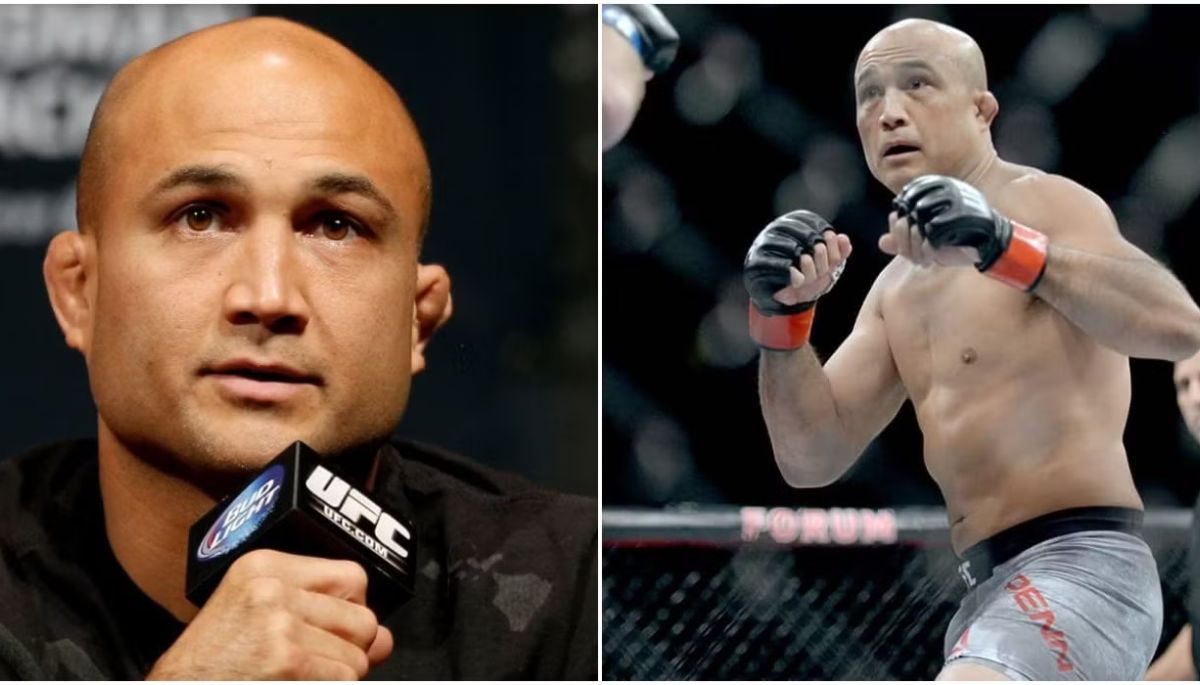
While many fighters enter combat sports out of sheer financial desperation, Penn’s background stood in stark contrast. His family possessed substantial financial backing long before BJ ever strapped on four-ounce gloves. Understanding how the Penn family amassed, preserved, and multiplied their fortune reveals a timeless lesson in business diversification, local monopolization, and generational wealth planning.
The Cold Storage Foundation: Industrial Ice in Hawaii
The bedrock of the Penn family fortune was not built in the boardrooms of Wall Street or under the bright lights of Las Vegas; it began with cold, heavy blocks of frozen water on the Big Island of Hawaii. Decades ago, BJ Penn’s father, Jay Dee Penn, alongside family members, identified a fundamental, non-negotiable need within the local island economy: commercial ice and cold storage.
In a tropical archipelago located thousands of miles from the mainland, ice is not a luxury—it is an essential operational utility. The Penn family established industrial ice operations that catered to several lucrative, high-volume sectors across the islands:
- Commercial Longline Fishing: Local fleets required metric tons of crushed and block ice daily to preserve high-grade ahi and offshore catches before reaching harbor markets.
- Hospitality and Tourism: Hotels, resorts, and restaurants demanded a consistent, unbreakable supply chain of clean commercial ice.
- Retail and Convenience Distribution: Packaged ice distribution across grocery chains and local convenience stores provided steady, high-margin, recession-resistant cash flow.
This industrial refrigeration venture provided the Penns with what venture capitalists call a “cash cow”—a business with high barriers to entry, limited local competition due to steep capital equipment costs, and steady, predictable daily cash inflows.
From Ice to Cash: The BJ Penn Family’s Path to Stellar Wealth
Generating high cash flow from an industrial business is only the first step in building a family dynasty. The critical turning point came when the family aggressively pivoted surplus earnings into hard assets. As raw cash accumulated from the ice business, the Penns channeled capital directly into commercial and residential real estate throughout Hawaii, primarily centering on the Big Island and Oahu.
Hawaii has historically featured some of the most competitive, supply-constrained real estate markets on the planet. By acquiring land, industrial warehouses, commercial parcels, and residential properties throughout the late 20th century, the family positioned themselves directly in front of Hawaii’s massive real estate appreciation wave. Warehouses that once merely housed refrigeration units became high-value commercial leases. Parcels of land acquired at modest baseline valuations appreciated into multi-million-dollar holdings.
This dual-engine model—consistent operational cash flow from utilities coupled with long-term real estate equity—effectively insulated the Penn family from economic downturns and established a safety net that would alter the trajectory of their children’s lives.
Funding “The Prodigy”: Capital Meets Athletic Genius
In combat sports, talent is ubiquitous, but the financial runway required to develop that talent without distraction is exceedingly rare. Most martial artists juggle secondary jobs, work graveyard security shifts, or struggle with medical bills during their developmental years. BJ Penn, however, possessed a crucial structural advantage: his family’s financial backing allowed him to treat martial arts as a full-time, round-the-clock profession.
When Penn discovered Brazilian Jiu-Jitsu in his late teens, his family financed elite-level training. He traveled directly to California to train under Ralph Gracie and later journeyed to Rio de Janeiro, Brazil, to immerse himself with the legendary Nova União camp. Penn didn’t have to worry about rent, gear, or travel logistics; he simply trained multiple times a day alongside the best practitioners in the world.

The result was unprecedented in grappling history. In 2000, just three years after first stepping on the mats, Penn became the first non-Brazilian to win the World Jiu-Jitsu Championship (Mundials) at the black belt level. That historic achievement launched him directly into the UFC, setting up an athletic career that would yield two divisional titles (Lightweight and Welterweight) and lucrative pay-per-view payouts.
Modern Brand Monetization and Digital Real Estate
Once BJ Penn achieved international superstardom, the family did not simply collect fight purses; they systematically built an ecosystem around his personal brand to generate new, self-sustaining revenue streams.
1. UFC Gym Franchising and Fitness Centers
Capitalizing on his Hall-of-Fame status, Penn partnered with New Evolution Ventures and the UFC to launch signature “UFC Gym BJ Penn” locations. In Hawaii, these facilities became flagship destinations, combining high-end fitness amenities with combat training. Instead of trading sweat for a single night’s purse, the Penn brand captured ongoing recurring monthly membership fees.
2. Digital Media Dominance
During the early explosion of web-based sports media, the family backed the creation and growth of BJPENN.com. Rather than relying on third-party journalists to cover his career, Penn launched his own digital publication. The platform grew into one of the highest-trafficked mixed martial arts news sites in the world, generating significant digital advertising revenue and sponsorship inventory for years.
3. Apparel and Endorsements
Penn formed a groundbreaking partnership with action-sports and lifestyle brand RVCA. The iconic black-belt-waistband shorts became a worldwide staple in MMA culture. The licensing deals, signature clothing lines, and long-term royalties ensured that fight merchandise produced financial windfalls long after his retirement from active competition.
Key Financial Lessons from the Penn Family Model
The Penn family’s journey offers several actionable takeaways for entrepreneurs and investors looking to construct enduring wealth:
- Own Unsexy, Indispensable Utilities: The Penns didn’t chase trendy fads early on. They invested in commercial ice manufacturing—a gritty, operationally demanding industry that provides an indispensable service to local commerce.
- Convert Cash Flow into Hard Assets: High income means little without capital preservation. Funneling operational profits into prime real estate locked in generational appreciation and equity.
- Subsidize High-Upside Talents: Foundational wealth gives family members the freedom to take calculated, high-upside risks in creative, athletic, or entrepreneurial fields without catastrophic downside exposure.
- Monetize Brand Equity via Licensing: Moving from active athlete to licensing partner (via gyms, merchandise, and digital portals) created diversified revenue independent of physical athletic output.
Conclusion
The story of the Penn family illustrates that athletic glory is often only the most visible branch of a much deeper, well-rooted tree. While BJ Penn etched his legacy in combat sports history as an electrifying two-division UFC world champion, it was his family’s pragmatic transition from industrial ice manufacturing to strategic real estate and brand licensing that made their success permanent. By pairing raw island grit with intelligent capital allocation, the Penns secured a legacy that stands strong both inside the cage and across the commercial landscape of Hawaii.


