From Music Notes to Millions: Keith Richards’ $300 Million Legacy Revealed!
Few rock icons have defied both mortal odds and financial convention quite like the legendary Rolling Stones guitarist. In this detailed exploration of rock-and-roll economics, From Music Notes to Millions: Keith Richards’ $300 Million Legacy Revealed! explores how decades of genre-defining guitar riffs, fiercely protected publishing rights, and record-shattering stadium tours converged to build one of the music industry's most enduring empires.

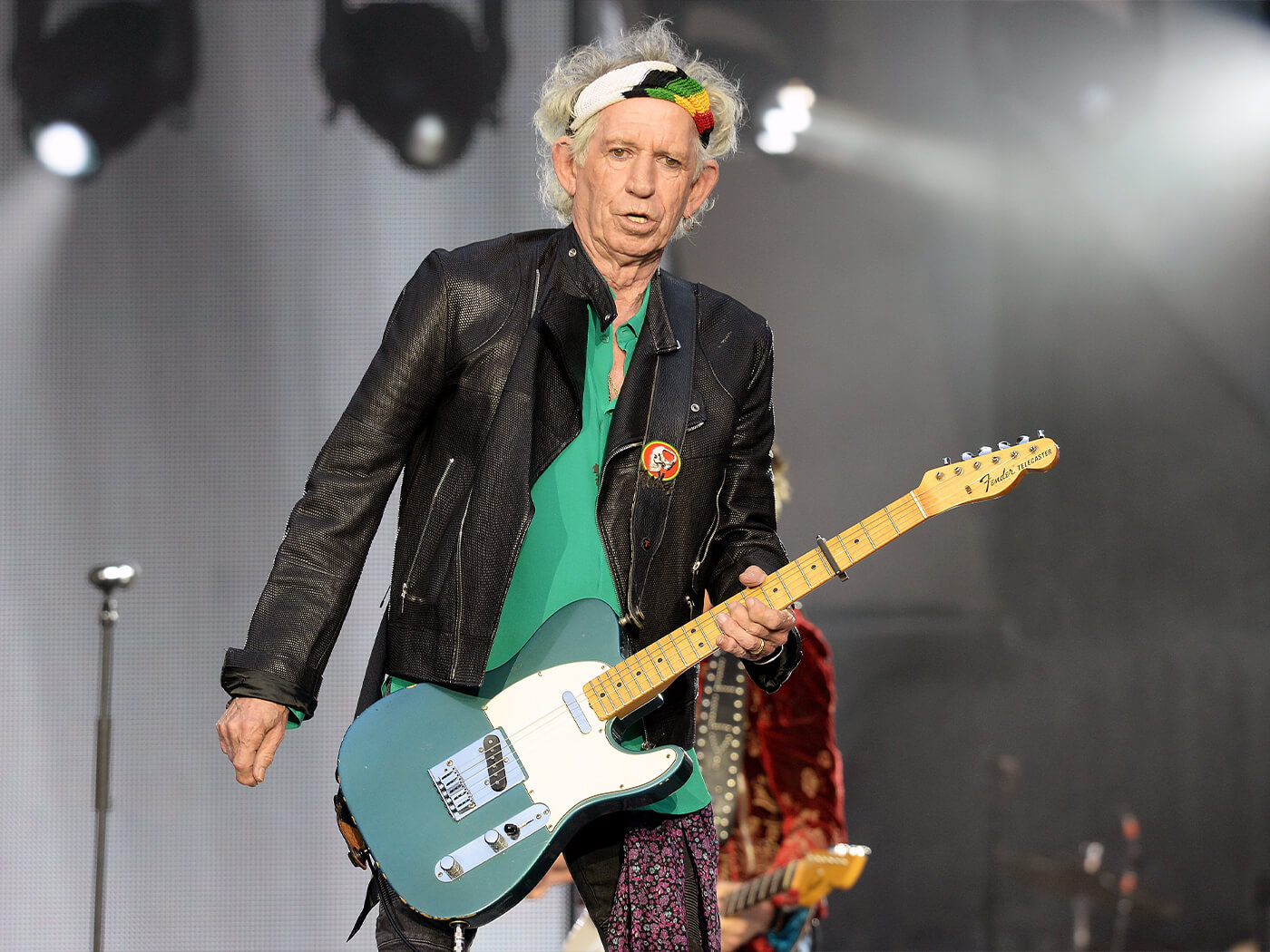
While Keith Richards cultivates the persona of an effortless, pirate-like guitar outlaw who lives purely for the groove, behind the tattered scarves and five-string open-G Telecasters lies a sophisticated, multi-decade commercial machine. Today, Richards boasts an estimated net worth of $300 million. Understanding how he accumulated and preserved that wealth offers a masterclass in modern creative enterprise.
The Jagger-Richards Songwriting Powerhouse
The foundation of Keith Richards’ financial empire was poured in the mid-1960s when Rolling Stones manager Andrew Loog Oldham reportedly locked Richards and frontman Mick Jagger in a kitchen and told them not to come out without an original song. The result was the beginning of the "Jagger-Richards" songwriting partnership—a credit line as lucrative in rock history as Lennon-McCartney.

Video: Salt of the earth
Richards composed the immortal opening riff to "(I Can't Get No) Satisfaction" in a Florida hotel room while half-asleep, capturing it on a portable cassette recorder before dozing off. That single riff transformed the band from a London blues-cover outfit into global hitmakers. Over the next six decades, the duo penned dozens of classic anthems, including:
- "Paint It Black"
- "Jumpin' Jack Flash"
- "Gimme Shelter"
- "Sympathy for the Devil"
- "Brown Sugar"
- "Start Me Up"
Unlike session players or backing band members who rely solely on performance fees, primary songwriters earn mechanical royalties, performance royalties, and synchronization licensing fees every single time a track streams on Spotify, spins on classic rock radio, or scores a Hollywood film trailer. For Richards, these passive income streams generate an estimated $10 million to $15 million annually without him ever picking up an instrument.