Fuel Filter Suppressor: Everything You Need to Know
When exploring the aftermarket automotive and firearm accessory markets, you may occasionally encounter the term fuel filter suppressor. While the name implies an automotive application designed to trap particulate matter in a fuel line, these devices often exist in a legal and functional gray area. Understanding what these items are, how they are marketed, and the strict laws surrounding their modification is essential for any consumer.

What is a Fuel Filter Suppressor?
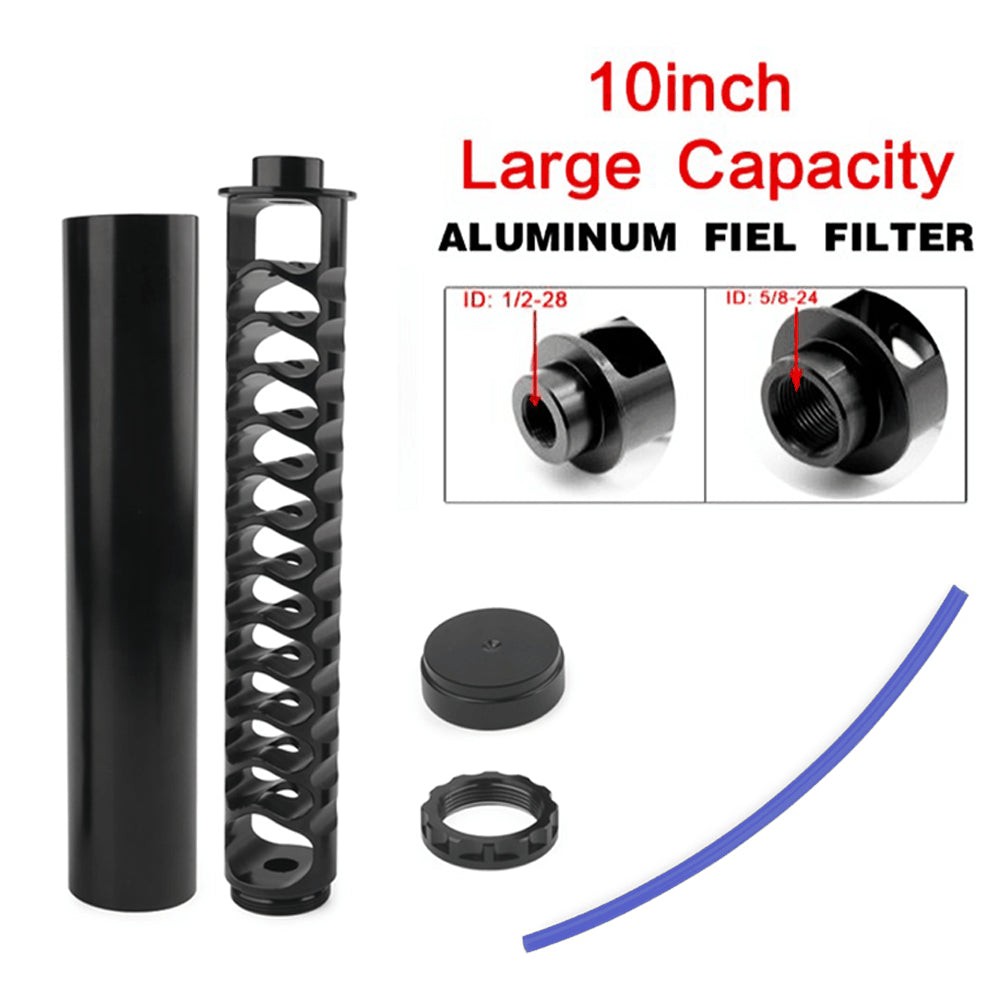
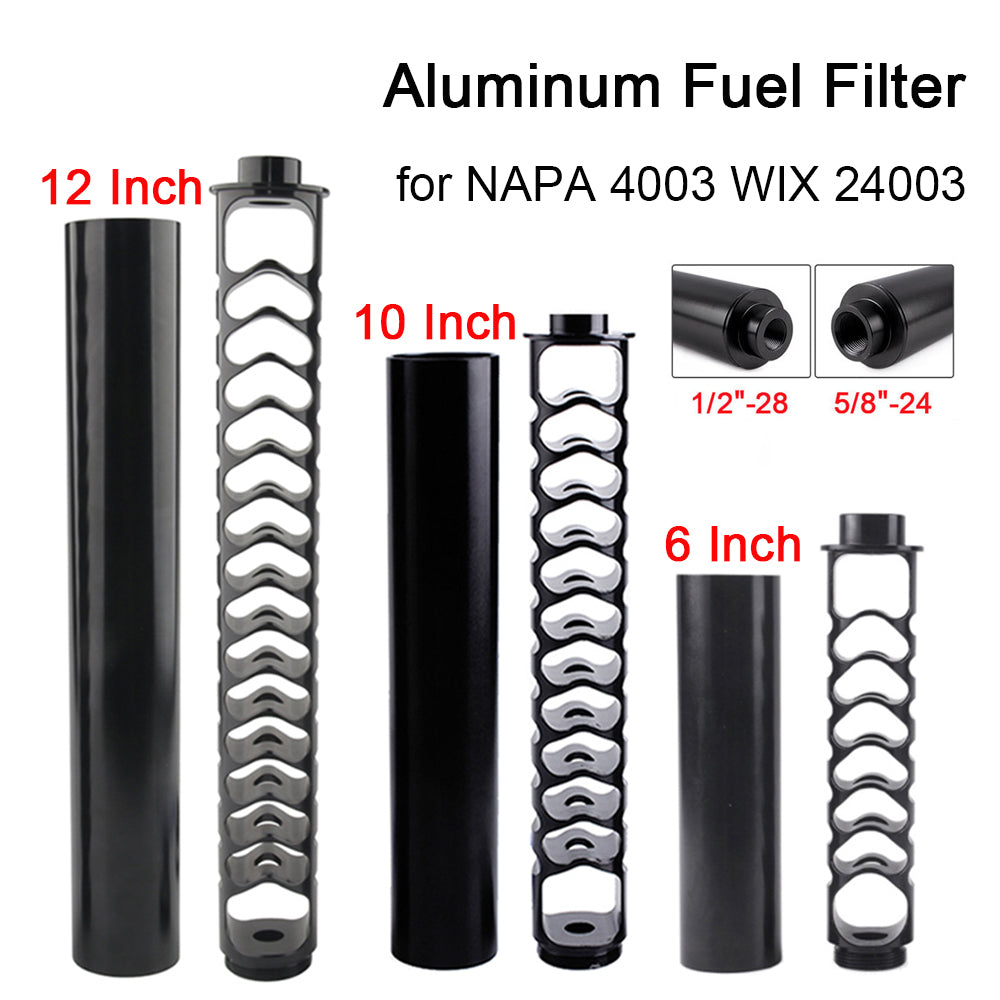
At its core, a standard fuel filter is designed to remove debris, rust, and contaminants from automotive fuel before it reaches the engine's combustion chamber. In contrast, a device marketed as a fuel filter suppressor typically features a heavy-duty, threaded metal tube—often made from aluminum, titanium, or stainless steel—housing internal baffles or cups.
While sold under the guise of an oversized, heavy-duty fuel or solvent filter, the physical architecture of these devices is often identical to the body of a firearm silencer. This duality in design has led to significant regulatory scrutiny from law enforcement agencies worldwide.
Intended Automotive Uses vs. Alternative Uses
In legitimate automotive contexts, high-performance filtration systems are used in racing applications or heavy machinery to catch fine debris. However, standard automotive fuel systems operate under high pressure and require specific micron ratings to maintain proper fuel flow. A heavy, baffled metal tube is rarely, if ever, practical or necessary for standard automotive fuel filtration.
Instead, many of these units are purchased as "solvent traps"—devices meant to catch cleaning solvents when cleaning a firearm barrel. However, the line between a solvent trap and an unfinished suppressor component is thin, leading to specific legal definitions.
The Legal Status and ATF Regulations

The regulatory landscape surrounding any device that resembles or can be converted into a firearm suppressor is exceptionally strict, particularly in the United States under the Bureau of Alcohol, Tobacco, Firearms and Explosives (ATF).
- Constructive Intent: Owning a threaded tube along with internal cups, baffles, and end caps that can be easily assembled into a silencer can be viewed by the ATF as possession of an unregistered silencer.
- Federal Classification: Under the National Firearms Act (NFA), a suppressor is heavily regulated, requiring a tax stamp, background check, and months of waiting. Converting a non-NFA item into a suppressor without proper authorization is a felony.
- Import Restrictions: Many pre-threaded metal tubes imported from overseas markets are scrutinized at customs and seized if they lack legitimate automotive certification or are deemed firearm parts.
Risks of Purchasing and Modifying These Devices
For consumers browsing online marketplaces, purchasing a component labeled as a fuel filter suppressor carries substantial legal and financial risks. Law enforcement agencies actively monitor the sale of modular metal tubes and solvent traps.
- Severe Legal Penalties: Manufacturing or possessing an unregistered suppressor violates federal law, carrying penalties of up to 10 years in prison and heavy fines.
- Financial Loss: Customs seizures and law enforcement confiscations mean that money spent on unregulated kits is often permanently lost.
- Safety Hazards: If someone attempts to use an improper automotive filter modification on a firearm, the structural integrity may fail catastrophically, leading to severe injury.
How to Ensure Legal Compliance
If you are an automotive enthusiast looking to upgrade your fuel system, stick to certified, brand-name manufacturers that specialize in automotive parts, such as Wix, Bosch, or K&N. Avoid purchasing generic, unbranded metal tubes from questionable online storefronts that use vague terminology.
If you are a firearm owner looking for sound reduction equipment, always purchase through legitimate, licensed Class 3 dealers who can guide you through the proper NFA paperwork and background check process. Never attempt DIY modifications using automotive components.
Conclusion
The term fuel filter suppressor often masks the true nature of devices that skirt the boundaries of firearm regulations. While automotive filtration is a vital part of vehicle maintenance, devices sold under this specific hybrid title frequently attract unwanted legal scrutiny. By understanding the regulations, recognizing the risks, and sticking to certified automotive and firearm products, you can keep your projects safe, legal, and compliant.