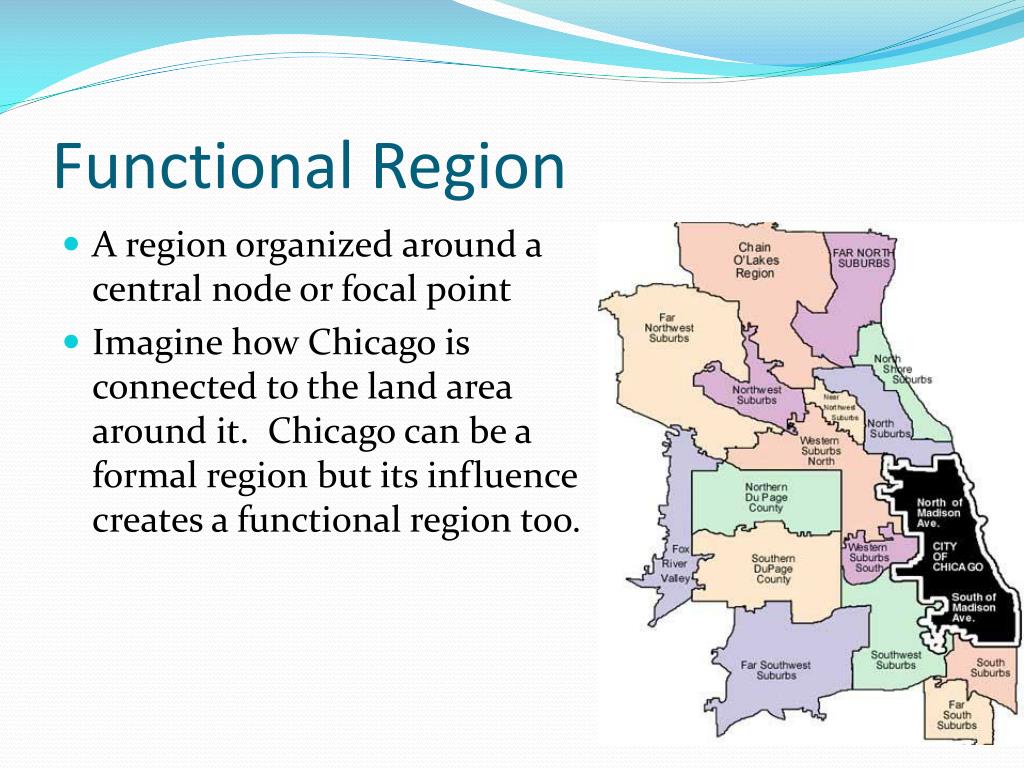
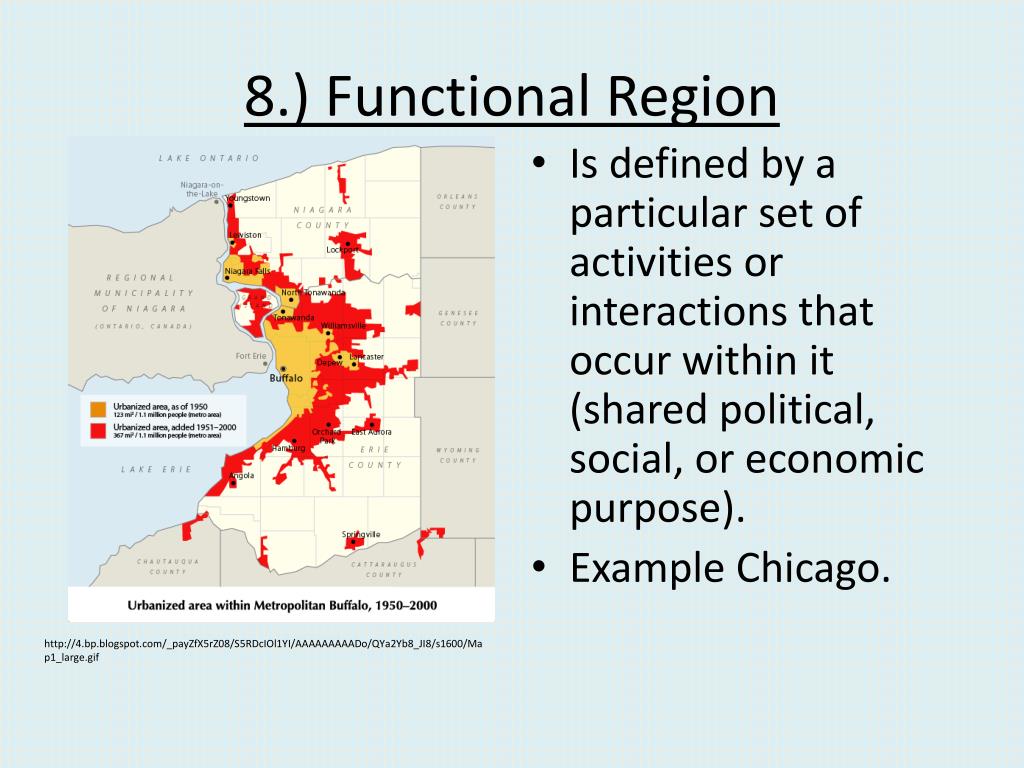
Functional Region AP Human Geography: Guide & Examples
When preparing for the exam, understanding how geographers divide and analyze spatial areas is essential. One of the most frequently tested concepts in Unit 1 is the functional region in AP Human Geography. Also referred to as a nodal region, this concept explains how human interactions, infrastructure, and economic activities bind geographic spaces together around a central point.
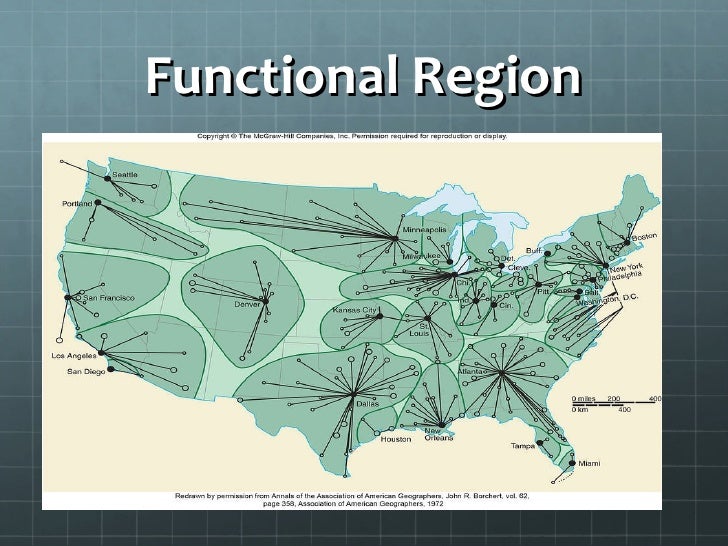
Unlike areas defined by homogeneous physical traits or shared cultural identities, a functional region exists because of connections and movement. This guide breaks down the core definition, key characteristics, real-world examples, and test-taking strategies you need to master this topic for your AP exam.
What Is a Functional Region?
In human geography, a functional region is an area organized around a focal point, known as a node. The defining characteristic of a functional region is spatial interaction: people, goods, services, information, or energy move between the central node and the surrounding periphery.
As you move farther away from the node, the strength of this interaction diminishes. This phenomenon illustrates distance decay, a fundamental geographic principle stating that the farther apart two things are, the less likely they are to interact. When the connection to the node drops off entirely, you have reached the boundary of that functional region.
Key Characteristics of a Functional Region
To identify a functional region on an AP Human Geography multiple-choice question or free-response question (FRQ), look for three critical elements:
- The Node (Focal Point): The central origin or hub of activity. This could be a downtown commercial district, a television transmission tower, a shipping port, or a corporate headquarters.
- Spatial Flows and Linkages: The pathways connecting the node to outlying areas. These include roads, commuter train lines, delivery routes, fiber-optic networks, or broadcast radio frequencies.
- Fading Boundaries (Distance Decay): Unlike political borders, which are sharp and legally defined, the outer boundaries of a functional region are fluid. A resident who lives 40 miles outside a metropolitan center interacts far less with the city core than someone living five miles away.
Real-World Examples for AP Human Geography
The College Board often tests your ability to recognize functional regions using contemporary and historical scenarios. Here are the most common examples tested on the AP exam:
1. Metropolitan Transit and Commuter Zones
Consider the New York City subway system or the Washington, D.C. Metro. The urban core acts as the central node where hundreds of thousands of jobs are concentrated. The functional region consists of the surrounding suburbs and commuter towns connected to the city by rail and bus lines. Outside the transit network's reach, daily commuting to the central core drops off significantly, marking the end of that functional region.
2. Retail Trade Areas and Delivery Radii
A neighborhood pizza parlor or department store establishes a functional region through customer reach and delivery zones. For example, a restaurant that delivers within a five-mile radius creates an operational functional region. Customers within that five-mile zone interact directly with the restaurant through food deliveries, while those six miles away fall outside its functional sphere.

3. Media Broadcast Markets
Local television and radio stations broadcast signals from a physical tower (the node). The area where households can reliably tune in to that local news broadcast constitutes the station's functional region (often designated as a Designated Market Area, or DMA). As terrain obstacles or distance weaken the signal, the region dissipates.
4. Major Hub-and-Spoke Logistics Networks
Global logistics companies like FedEx and UPS rely on hub-and-spoke networks. FedEx's primary global air hub in Memphis, Tennessee, serves as the node. Airplanes depart Memphis to regional airports, which then distribute packages along local trucking routes. The spatial reach of these distribution routes creates distinct functional operational regions.
Comparing the Three Types of Regions
One of the most reliable ways to secure points on the AP exam is to quickly distinguish between the three primary categories of regions: formal, functional, and vernacular.
- Formal Region (Uniform Region): Defined by one or more shared, measurable characteristics across the entire area. Examples include political jurisdictions (the State of Texas), climate zones (the Sahara Desert), or linguistic regions (the French-speaking province of Quebec). Everyone within a formal region shares that defined trait.
- Functional Region (Nodal Region): Defined by social, political, or economic interactions organized around a central hub. Examples include the distribution area of the Chicago Tribune, an airport's direct flight network, or a local utility grid.
- Vernacular Region (Perceptual Region): Defined by people's subjective cultural feelings, stereotypes, or informal perceptions rather than objective boundaries or nodes. Examples include "The American South," "The Midwest," or the "Middle East." Boundaries vary depending on who you ask.
Quick Comparison Table
| Region Type | Alternative Name | Defining Principle | Example |
|---|---|---|---|
| Formal | Uniform Region | Shared characteristic throughout | State of California, Corn Belt |
| Functional | Nodal Region | Circulation around a central hub | Subway network, Local TV broadcast |
| Vernacular | Perceptual Region | Cultural identity and perception | The American Sunbelt, Silicon Valley |
How Technology Is Changing Functional Regions
Functional regions are not static. Advancements in telecommunications, online shopping, and remote work continuously redraw their borders. This process relates directly to time-space compression, the reduction in time it takes for something to reach another place due to technological innovation.
For instance, traditional banking previously relied on local brick-and-mortar branches as nodes, creating localized functional banking regions. Today, mobile banking platforms allow a single financial node to serve millions of users across the globe instantly. Conversely, the rise of e-commerce has led to the proliferation of localized fulfillment centers, creating thousands of micro-functional regions designed to facilitate same-day delivery.
Exam Strategies: Mastering Functional Regions on the AP Test
To maximize your score on the AP Human Geography exam, keep these application strategies in mind when analyzing multiple-choice stimuli or writing FRQs:
- Look for verbs indicating movement: If a prompt describes people commuting, goods being shipped, signals being broadcast, or utilities being distributed, it is almost certainly referring to a functional region.
- Identify the node first: Whenever a stimulus presents a map with arrows or concentric flow lines, locate the central point where the activity originates or converges. Identifying the node immediately clarifies the spatial relationship.
- Watch out for administrative border traps: The College Board frequently tests whether students confuse formal political units with functional zones. A city boundary is a formal region; the metropolitan commuter zone that extends beyond those city limits is a functional region.
- Connect to Unit 1 vocabulary: When explaining functional regions in an FRQ, elevate your response by integrating terms such as friction of distance, spatial interaction, distance decay, and connectivity. Demonstrating command of these interconnected principles signals deep geographic thinking to AP readers.