Furnished Finders for Travel Nurses: Complete Guide
Securing comfortable, budget-friendly housing on a 13-week contract is often the most stressful part of an assignment. While vacation rental platforms tack on hefty service fees and hotels quickly drain monthly stipends, mid-term rental marketplaces have transformed the process. Navigating furnished finders for travel nurses requires an understanding of how mid-term leasing works, how to vet landlords, and how to protect your earnings while maintaining a safe, quiet living space.
Why Furnished Finders for Travel Nurses Remain the Top Choice
Unlike short-term vacation rental sites designed for weekend tourists, Furnished Finder focuses exclusively on stays of 30 days or longer. This focus fundamentally changes the financial model and community expectations for traveling healthcare professionals.
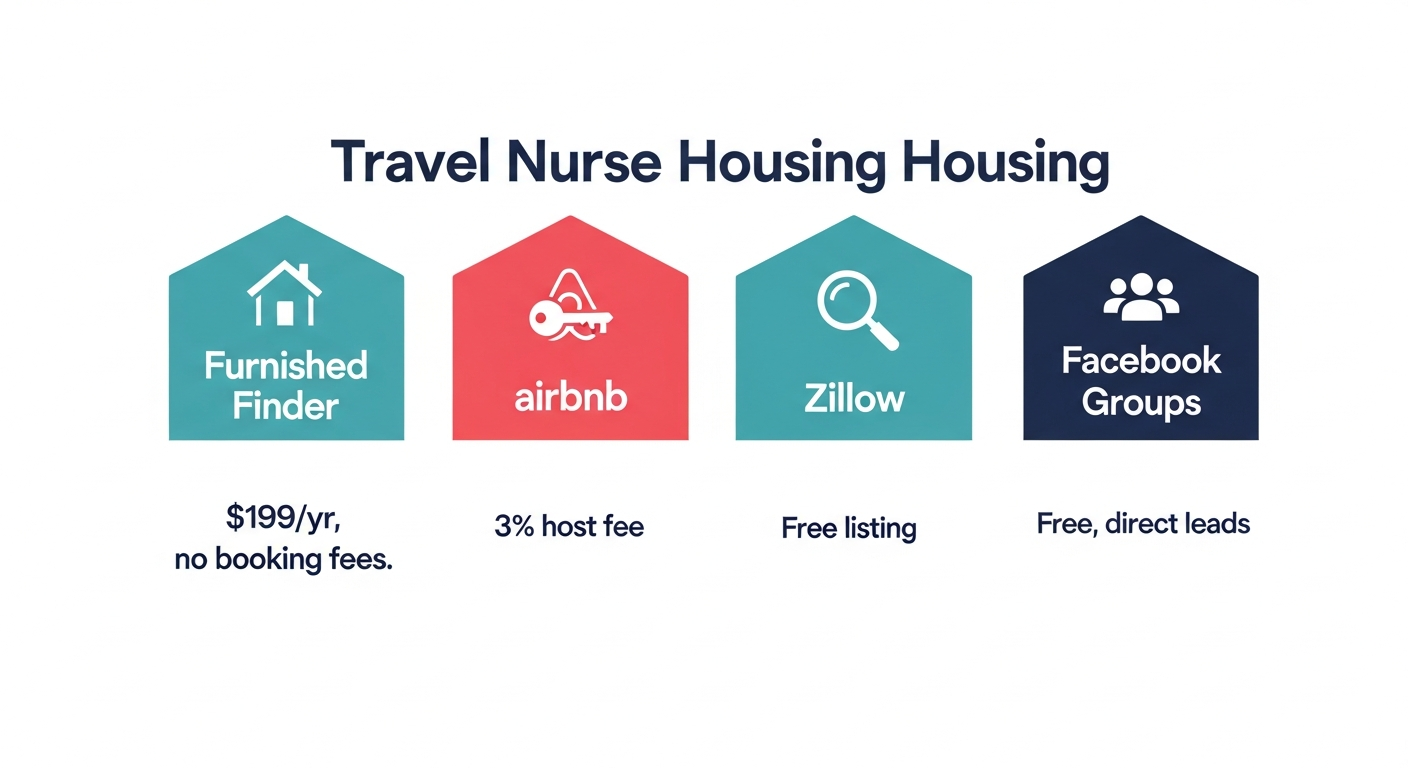
- Zero Booking Fees: Vacation platforms typically charge travelers service fees ranging from 10% to 20% on top of rent. Furnished Finder charges travelers nothing; property owners pay an annual subscription fee to list their spaces.
- Stipend-Friendly Pricing: Because owners are targeting reliable, professional tenants for multi-month blocks, monthly rates generally mirror fair market residential rents rather than inflated nightly vacation rates.
- Direct Landlord Communication: You speak, message, and negotiate directly with property owners rather than through a customer service barrier or automated property management interface.
How the Platform Operates
The platform connects property owners offering fully furnished rooms, basements, accessory dwelling units (ADUs), and standalone homes with professionals needing temporary housing. Stays are structured around a standard residential lease rather than a transient hotel receipt.
Direct Search vs. The Housing Request Feature
You can search listings directly via an interactive map, filtering by budget, property type, pet friendliness, and distance to your designated facility. Once you spot a viable listing, you submit an inquiry directly to the landlord.
Alternatively, the platform offers a "Housing Request" feature. By inputting your target location, budget, shift schedule, move-in date, and contract length, your request is broadcast to verified hosts within that radius. Landlords with matching vacancies will reach out directly to you. This is particularly effective in high-demand, low-inventory rural or seasonal travel nursing markets.
Budgeting: Deposits, Utilities, and Background Checks
Understanding the standard financial layout helps you budget your travel stipend accurately before your contract start date:
- Security Deposits: Most hosts require a refundable deposit, typically ranging from $500 to a full month's rent. Always ask whether this deposit is held in an escrow account.
- Utilities and Wi-Fi: Stays generally include electricity, water, gas, trash, and high-speed internet in the flat monthly rate. Always confirm if there is an energy cap (common in areas with extreme heating or AC demands) to avoid surprise end-of-month utility bills.
- Screening Fees via KeyCheck: Furnished Finder integrates with KeyCheck, a screening tool that runs background, credit, and eviction checks. You will typically pay a one-time screening fee (usually around $40-$45). The report is shared securely with the landlord without damaging your credit score.
Step-by-Step Guide to Securing Your Unit
1. Begin Searching 2 to 4 Weeks in Advance
In mid-term rentals, reaching out two months ahead often backfires. Most landlords do not know if their current tenant is extending until 30 days before checkout. The optimal window for securing a property is 14 to 30 days before your contract's start date.
Video: Renting for Travel Nurses: The Ultimate Guide for Landlords| My Experience Using Furnished Finders

2. Draft a Professional Initial Message
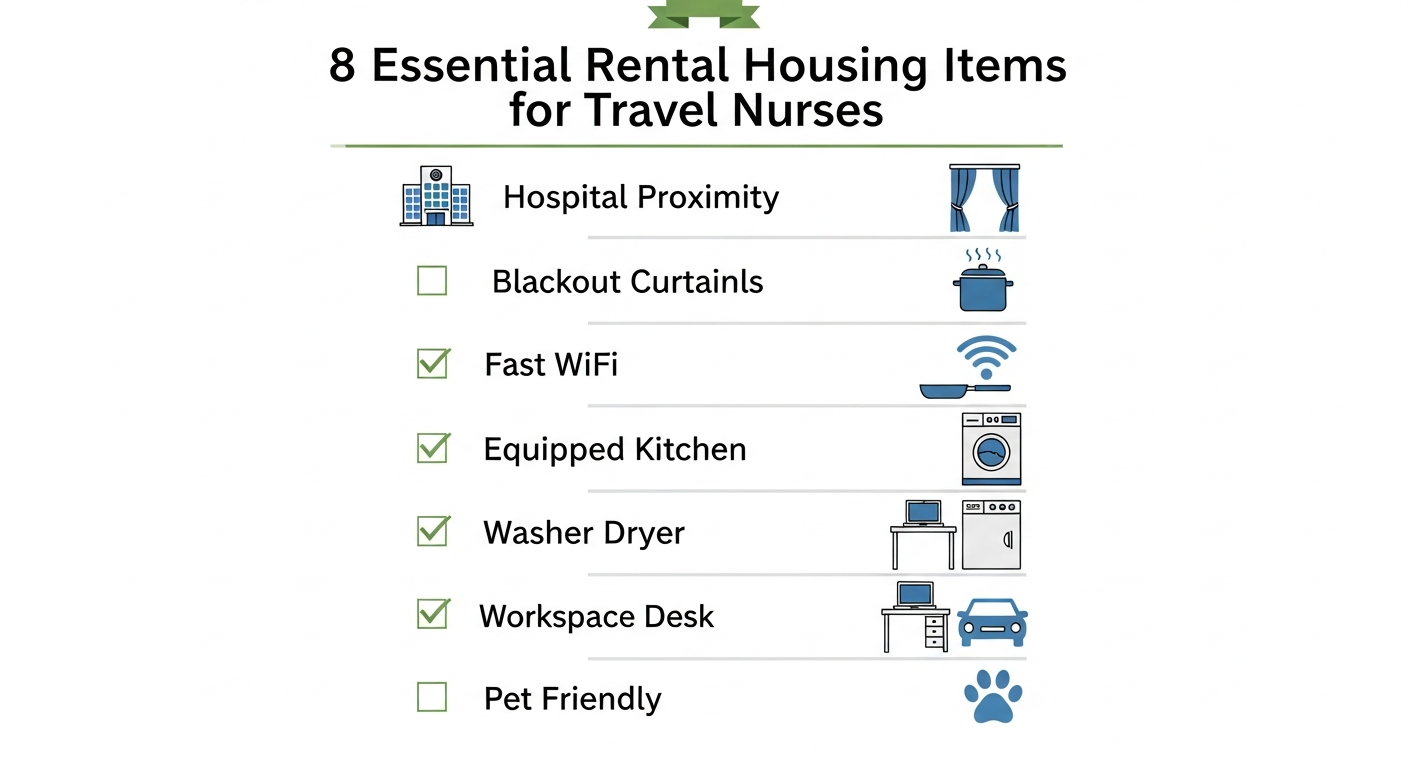
Landlords want dependable, responsible tenants. Make your profile stand out by treating your first message like a housing resume. Include your destination hospital, your unit/specialty, your shift schedule (day or night), whether you have pets, and your expected dates. If you work night shifts, mention it early so you can confirm the property has blackout curtains and low daytime ambient noise.
3. Request a Video Tour Before Transferring Money
Never rely solely on still photos, which can be years old or wide-angle distortions. Ask for a live FaceTime or video walk-through, or request that the host send an unedited video walking through the space from the street to the interior. Pay close attention to parking proximity, entry lighting, and laundry access.
4. Negotiate a Travel Nurse Clause in the Lease
Contracts can be canceled by hospitals with little warning. Never sign a standard long-term residential lease without protecting yourself against contract cancellations or shifts in your hospital start date.
Ask the landlord to include an early termination or "Travel Nurse Addendum." A typical fair clause allows you to break the lease with a 14-day written notice and a copy of your agency's contract cancellation confirmation, without forfeiting your full security deposit or remaining months of rent.
Avoiding Rental Scams and Red Flags
While Furnished Finder verifies property owners through public real estate records before approving listings, bad actors can still attempt off-platform scams. Stay vigilant with these precautions:
- Never Wire Cash or Use Non-Traceable Apps: Avoid sending funds via wire transfer, Western Union, or prepaid gift cards. Use KeyCheck, secure bank transfers, or credit card portals that provide fraud recourse.
- Cross-Reference the Property Address: Check local county tax assessor records online to ensure the name on your lease matches the registered deed owner of the property. If dealing with a co-host or property manager, verify their relationship with the owner.
- Be Cautious of Unusually Low Prices: If a luxury two-bedroom apartment near a major metro medical center is listed at half the market rate, exercise extreme caution. Scammers often post hijacked photos to bait hurried travelers.
Furnished Finder vs. Alternative Housing Options
To determine the best fit for your lifestyle and travel budget, compare how Furnished Finder stacks up against alternative accommodations:
- Airbnb / VRBO: Offers seamless one-click booking and platform guarantees, but the accumulated service fees, high cleaning charges, and transient occupancy taxes often make it 30% to 50% more expensive per month.
- Extended Stay Hotels: Provide total flexibility and maid service, but lack full home amenities, private yards, and residential comfort. Long stays in tight studio hotel rooms often lead to travel burnout.
- Agency-Placed Housing: The staffing agency handles all logistics, but they take a significant portion of your total pay package to cover it. Taking the housing stipend and arranging your own rental through mid-term sites almost always yields higher net income.
Final Thoughts
Securing private mid-term housing doesn't have to be a gamble. By starting your search during the sweet spot of three weeks out, communicating professionally, confirming landlord identities, and insisting on a flexible healthcare cancellation addendum, you can secure safe, comfortable, and affordable housing that feels like home throughout your entire contract.