Furniture Upholstery Near Me: How to Choose & Save
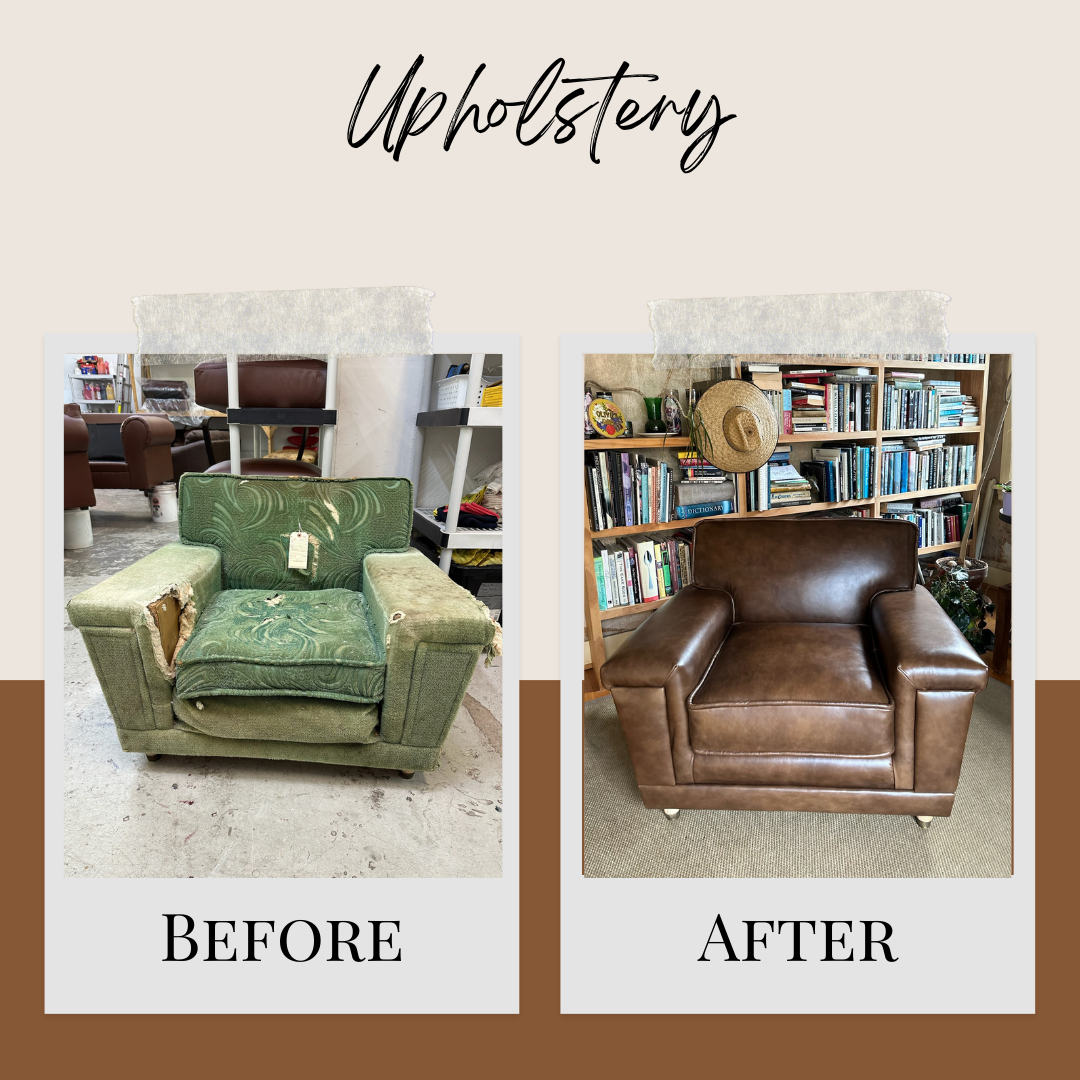
When a favorite armchair starts sagging or a vintage dining set shows years of fabric wear, searching for furniture upholstery near me is usually the first instinct. Reupholstering allows you to preserve well-built frames, customize fabrics to match your exact interior style, and avoid sending bulky items to the landfill. However, finding the right local shop and knowing what to expect in terms of pricing and craftsmanship can feel overwhelming.

Reupholster vs. Replace: How to Decide
Before calling local upholstery shops, it helps to determine whether your piece is a worthy candidate for reupholstery. Not every piece of furniture justifies the investment, as skilled labor and quality materials command a fair price.
Signs Your Furniture Is Worth Reupholstering
- Solid hardwood frame: If the frame is made of kiln-dried oak, maple, or walnut, and joined with dowels or corner blocks (rather than staples and glue), it is substantially better built than most modern mass-market furniture.
- Sentimental or antique value: Family heirlooms and mid-century classics frequently appreciate or retain value that justifies restoration.
- Perfect fit: If the piece fits an unusual architectural nook, custom layout, or matches your ergonomic needs perfectly, finding a direct replacement is often harder than refreshing the fabric.
- High-end original construction: Features such as eight-way hand-tied coil springs, horsehair padding, or solid brass casters indicate a high level of craftsmanship worth saving.
When Buying New Makes More Sense
If the item was purchased inexpensively from a flat-pack or fast-furniture retailer, the internal structure is likely made of engineered wood or particle board. In these instances, the labor cost to strip and recover the item will comfortably exceed the original price of the furniture, making a new purchase the more practical economic route.
How to Find the Best Furniture Upholstery Near Me
Upholstery is a tactile, highly specialized trade. While online directories provide a quick list of names, finding an artisan who respects your piece requires a bit of research.
1. Inspect Portfolios Closely
A reputable professional will have an extensive portfolio of before-and-after work. Look specifically for pieces similar to yours. If you have a chesterfield sofa, check their deep-button tufting. If you have mid-century chairs, look for clean, tight seams and precise fabric tension along curved edges.
2. Check Sourcing and Fabric Accounts
Established upholstery shops have trade accounts with reputable textile houses such as Kravet, Sunbrella, Maharam, or Robert Allen. Even if you bring your own material (COM – Customers' Own Material), a shop with established trade relationships is generally more experienced and plugged into industry standards.
3. Ask Local Interior Designers and Antique Dealers
High-end interior designers and antique dealers rely heavily on local upholsterers. Calling a local boutique design firm or antique shop and asking who they trust for benchwork is one of the most reliable ways to discover hidden local master craftspeople.

What Does Furniture Upholstery Cost?
Upholstery pricing generally splits into two categories: labor (including structural repairs and cushion replacement) and fabric yardage.
- Dining Chair Seats: $50 to $120 per chair (labor only); requires 0.75 to 1 yard of fabric per pair.
- Standard Armchair or Club Chair: $400 to $900; requires 5 to 8 yards of fabric.
- Three-Cushion Sofa: $900 to $2,000+; requires 14 to 20 yards of fabric depending on pattern repeat.
- Sectionals: $2,000 to $4,500+ depending on the number of modules and custom details.
Remember that pattern matching (such as plaids, stripes, or large floral motifs) requires extra yardage so the upholsterer can align the design seamlessly across cushions and backrests.
Key Questions to Ask a Local Upholstery Shop
Before dropping off your piece or paying a deposit, ask these direct questions to avoid surprises:
- Does the estimate include internal repairs? Stripping old fabric often reveals broken webbing, tired springs, or crumbling foam. Ensure you know what they charge if internal rehabilitation is required.
- What density of foam do you use? For seat cushions, insist on high-resiliency (HR) foam with a minimum density of 2.0 to 2.5 lbs. Low-density foam (1.5 lbs or less) will flatten within two years.
- Do you charge a COM fee? Some shops charge an additional cut fee (typically $10–$20 per yard) if you supply your own fabric rather than ordering through their books.
- What is your current turnaround time? Depending on local demand, backlogs can range from two weeks to three months. Confirm timelines upfront.
- Do you offer pickup and delivery? Large sofas require a truck and two people; check if the shop includes this service or partners with a local courier.
Choosing the Right Upholstery Fabric
Your choice of fabric dictates how long the new upholstery will last. Beyond color and texture, examine these practical performance metrics:
The Rub Count (Double Rubs)
Durability is measured via the Wyzenbeek or Martindale test, which counts how many abrasive rubs a fabric can withstand before wearing through:
- Delicate / Decorative (under 9,000 double rubs): Suitable only for occasional accent pieces or decorative pillows.
- Medium Duty (9,000 to 15,000 double rubs): Good for formal living rooms or pieces used intermittently.
- Heavy Duty (15,000 to 30,000 double rubs): Ideal for everyday family living rooms.
- Commercial / Performance (30,000+ double rubs): Essential for homes with active pets, children, or high-traffic commercial spaces.
Fabric Composition
Natural fibers like cotton and linen look classic and breathe well, but they absorb spills and wrinkle easily. Performance synthetic blends (such as solution-dyed acrylics or crypton fabrics) resist stains, moisture, and UV fading, making them the gold standard for high-use modern households.
Preparing Your Piece for the Shop
Once you select an upholsterer, take clear photos of your piece from all angles and note any specific comfort preferences (e.g., wanting a firmer seat or down-wrapped cushion). Measure your doorways and hallways to ensure the piece can be safely transported out of and back into your home. With the right local professional, you can transform a tired, dated piece into a durable centerpiece built to last another generation.