Gallia County Records: Underground Railroad Untold
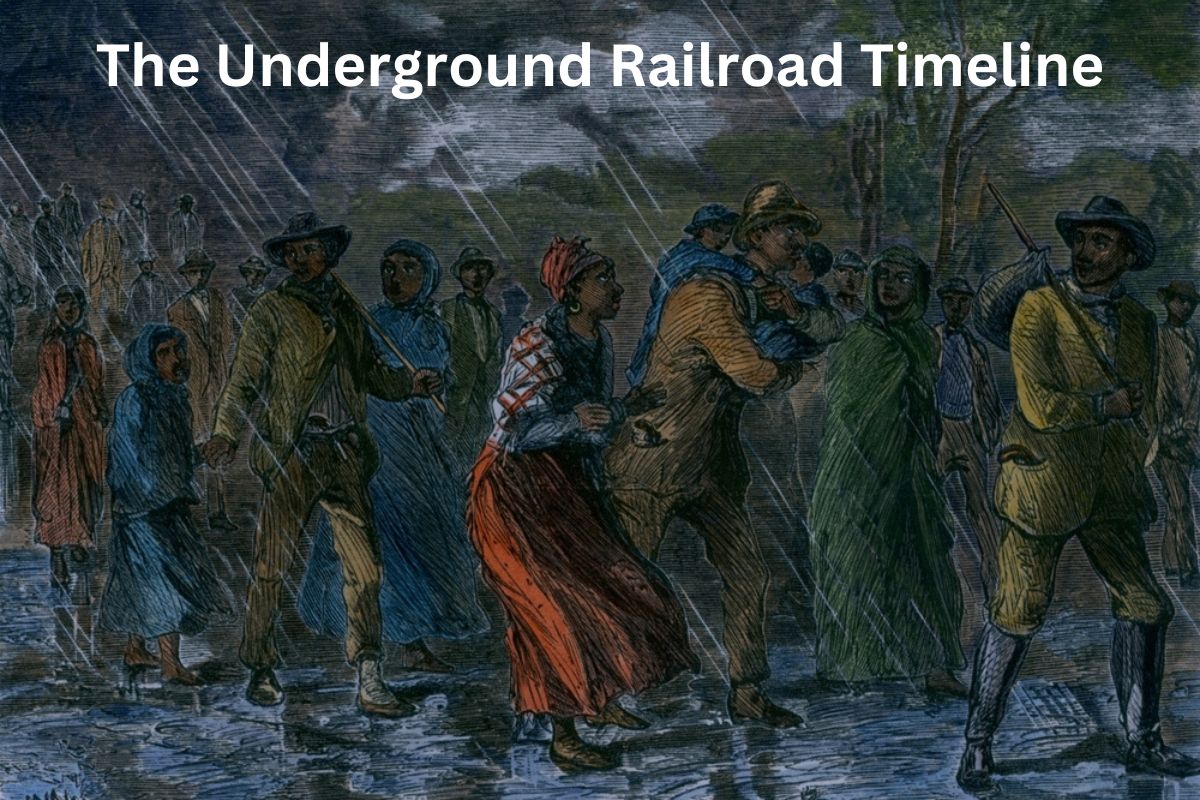
Along the winding banks of the southern Ohio River, freedom was once measured in strokes of an oar. Directly across the water from Mason County, Virginia (now West Virginia), Gallia County stood as a beacon of liberty in the antebellum era. For decades, traditional narratives overlooked southern Ohio's rural border communities in favor of well-documented northern hubs like Oberlin or Cleveland. However, modern historical research and preserved archival documents tell a different tale. Examining Gallia County records: the untold story of the Underground Railroad in Gallia reveals a brave, grassroots resistance network organized by free Black families, sympathetic rivermen, and steadfast abolitionists.
The Strategic Geography of Gallipolis and the Ohio River
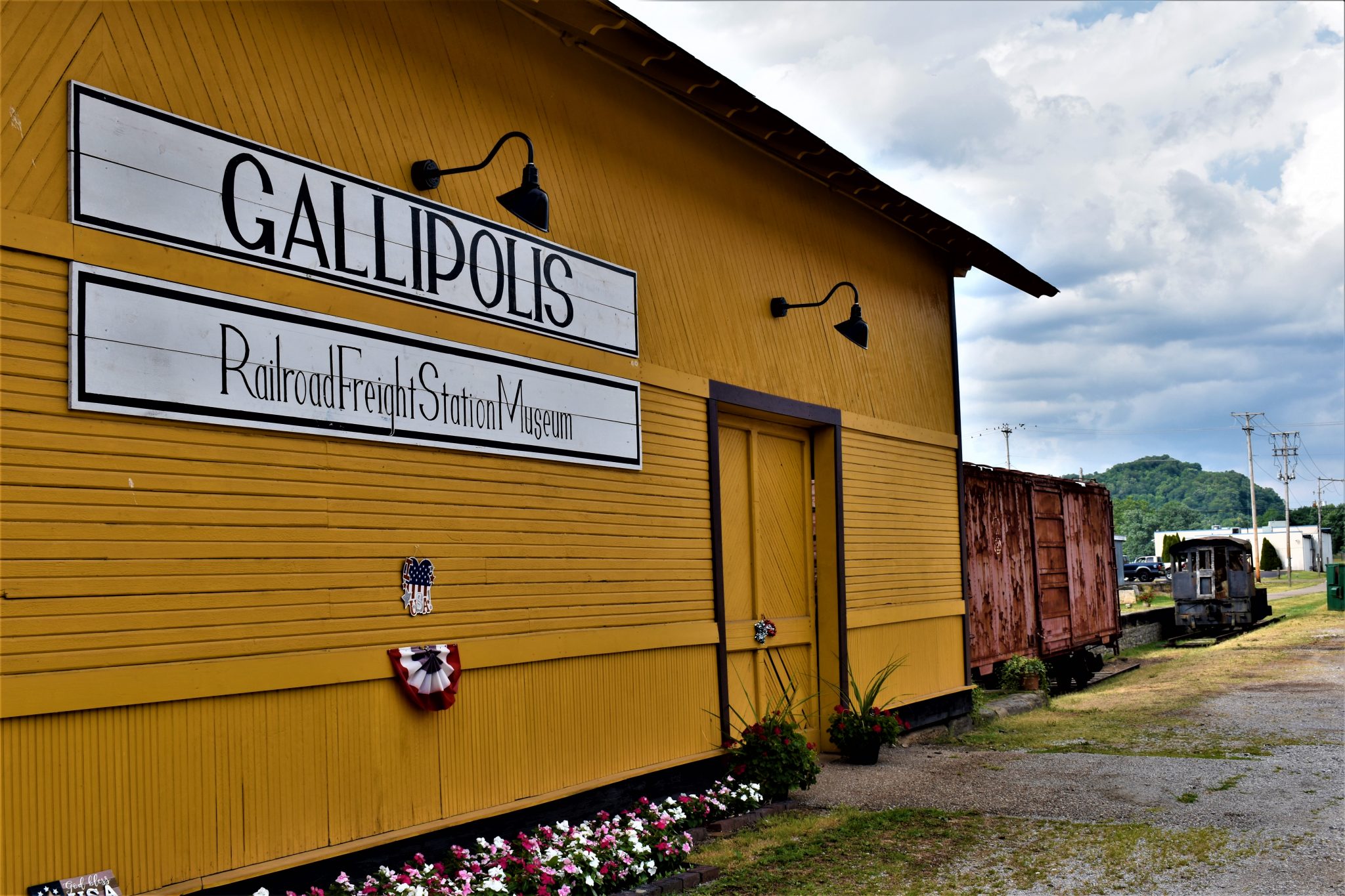
To understand why Gallia County became a critical corridor for freedom seekers, one must look at the geography of the Appalachian river valleys. The Great Kanawha River in Virginia carved a natural highway out of the slave-holding interior, funneling enslaved laborers toward Point Pleasant. At Point Pleasant, the Kanawha empties directly into the Ohio River—right across from Gallipolis, the seat of Gallia County.
Enslaved people escaping plantations in the New River and Kanawha valleys followed the river currents northwest. When they reached the broad Ohio, reaching Gallia County meant touching free soil. Yet crossing this border was fraught with danger. Slave catchers routinely patrolled the Virginia shoreline, while bounty hunters combed the river landings of Ohio, eager to enforce federal fugitive recovery laws.
Gallia County Records: The Untold Story of the Underground Railroad in Gallia
Unlike northern abolitionist organizations that kept meticulous diaries, operatives in Gallia County worked under intense surveillance and left few deliberate paper trails. However, public archives hold evidence hidden in plain sight. Deeds, court dockets, estate inventories, and jail registers reconstruct how this covert pipeline functioned.
Court Dockets and Fugitive Slave Inquests
Gallia County common pleas court minutes from the 1840s and 1850s show how local authorities interacted with the Fugitive Slave Acts of 1793 and 1850. While some local officials were bound by law or political sympathy to aid Virginia slave catchers, others employed procedural stalling tactics. Legal filings reveal instances where Black residents were arrested on suspicion of being escaped slaves, only for local allies to challenge the claimants' affidavits on technical grounds, giving freedom seekers time to slip north toward Jackson or Athens counties.
Deed Books and Secret Land Holdings
Deed books in the Gallia County Recorder's Office document the establishment of isolated settlements inland from the river. Free people of color purchased small, rugged parcels in areas like Walnut and Greenfield townships. These secluded enclaves served as natural sanctuaries. Because these properties were legally owned by free Black citizens, conductors could harbor passengers in barns, ravines, and root cellars without attracting the immediate attention of pro-slavery patrols in town.

The Vital Role of Free Black Communities
White abolitionists often received the bulk of historical credit, but county records demonstrate that African Americans were the primary architects of freedom in Gallia County. The most effective safe houses were sustained by free Black homesteaders who put their land, livelihoods, and personal freedom at risk every night.
- The John Gee Legacy: John Gee, a prominent free Black resident, donated land in Gallipolis in the early 19th century to establish an African Methodist Episcopal (AME) congregation. The John Gee AME Church became a pillar of mutual aid and a documented gathering point where freedom seekers received food, clothing, and routing directions.
- The Poke Patch and Blackfork: Stretching across the borders of Gallia, Lawrence, and Jackson counties, the Poke Patch was a rugged settlement founded by free African Americans and Native American descendants. County census returns from 1850 and 1860 document shifting populations in these hills, where sudden fluctuations in household sizes often mirrored spikes in border crossings.
- Black Rivermen and Ferry Operators: Skiffs, coal barges, and small packet boats were essential to the river crossing. County licenses and commercial records indicate that free Black rivermen worked the waters between Point Pleasant and Gallipolis, quietly shuttling freedom seekers across under the cover of dense river fog.
Dangers Along the Border: The Impact of 1850
The passage of the Compromise of 1850 and its stringent Fugitive Slave Law transformed Gallia County into a volatile battleground. The law penalized any citizen who aided an escaping slave and empowered federal marshals to force local bystanders into posse service.
Newspaper accounts and local correspondence from the 1850s illustrate an atmosphere of acute tension. Slaveholders crossed freely from Mason County, posting handbills offering steep rewards throughout Gallipolis taverns. In response, Gallia’s Underground Railroad network adapted:
- Conductors shifted crossing points away from the public docks of Gallipolis toward isolated sandbars upstream and downstream.
- Routes inland bypassed main turnpikes in favor of heavily wooded ridges through Perry and Raccoon townships.
- Vigilance committees established relay networks that transferred passengers to safehouses in Albany, Rio Grande, and abolitionist strongholds in Morgan and Muskingum counties within twenty-four hours of their arrival.
Preserving and Researching Gallia’s Abolitionist Heritage
Today, historians and family researchers are re-evaluating the historical materials preserved in Gallipolis. The Gallia County Historical and Genealogical Society, along with the John Gee Black Historical Center, actively work to digitize and preserve records that shed light on these 19th-century operations.
For those researching antebellum ancestry or regional Underground Railroad routes, several primary record sets offer valuable insight:
- Federal Census Records (1830–1860): Pay close attention to Free Inhabitants schedules listing occupations, literacy rates, and neighboring Black landholders.
- Gallia County Manumission and Emancipation Records: Located within probate records, these entries detail formal legal protections filed on behalf of formerly enslaved people who settled locally.
- Church Minute Books: Denominational records from Baptist and AME churches in the county frequently preserve veiled references to charity given to "strangers passing through."
A Lasting Testament to Courage
The Underground Railroad in Gallia County was not a singular, orchestrated organization; it was a resilient tapestry of improvised decisions made in dark river waters and dense Appalachian timber. By reading between the lines of dusty tax records, court filings, and land grants, historians continue to uncover the true scope of Gallia’s contribution to American freedom. These records stand as permanent testimony to ordinary men and women who risked everything to ensure that the Ohio River served not as a permanent barrier to justice, but as a gateway to human liberty.