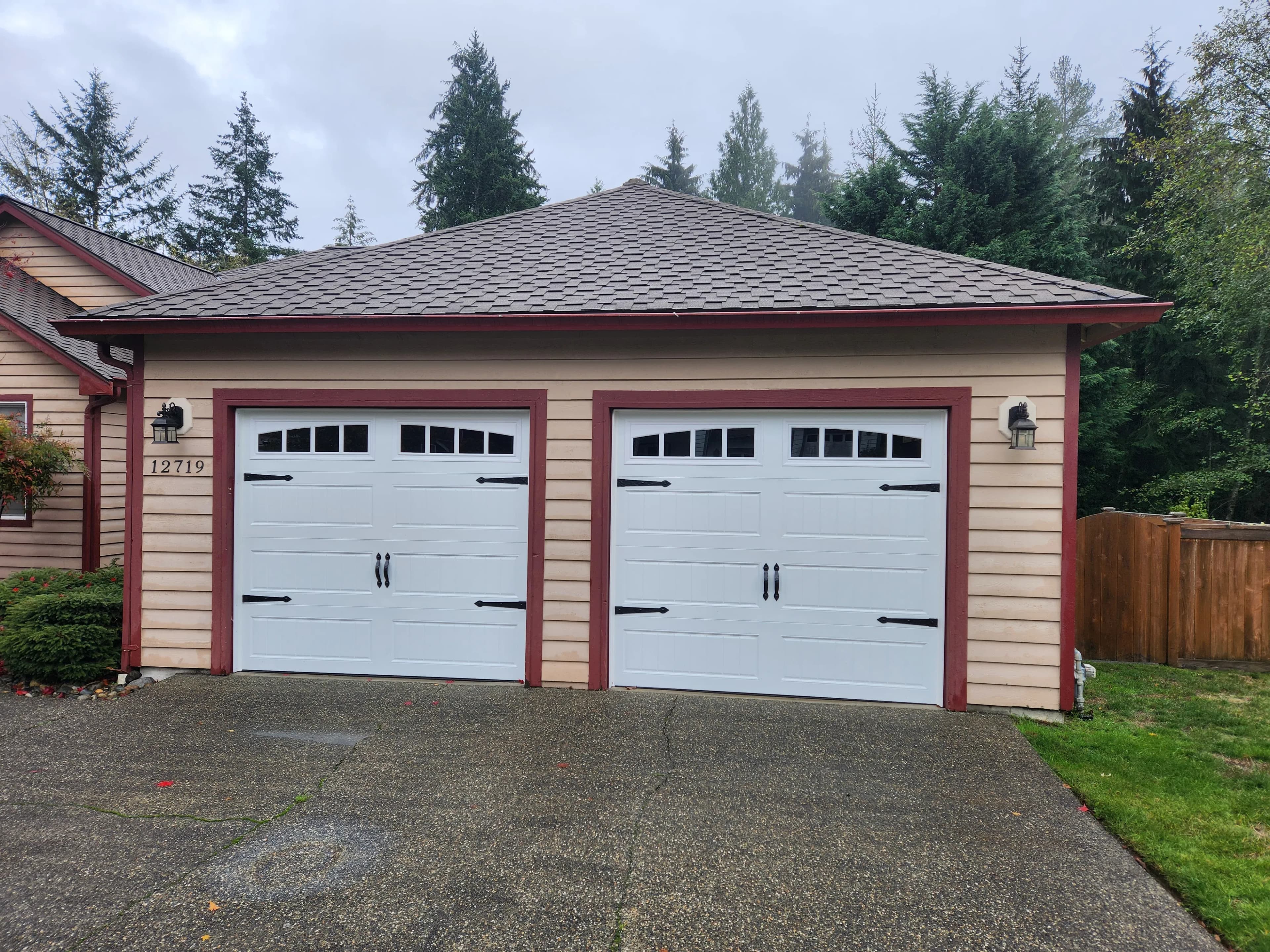
Garage Door Repairs Silverdale: Fast, Local Service
A functioning overhead garage door is something most homeowners take for granted until the morning it refuses to open. Whether your car is trapped inside before your morning commute down Highway 3 or the door is hanging precariously off its tracks, dealing with sudden mechanical failures is both stressful and hazardous. When searching for reliable garage door repairs silverdale residents need practical solutions that balance safety, durability, and cost-effectiveness.

Silverdale’s unique Puget Sound climate—marked by damp winters, morning coastal mists, and fluctuating humidity—places distinct demands on garage hardware. In this guide, we break down common failure points, address when to attempt simple troubleshooting versus calling an expert, outline realistic repair costs, and share how to protect your investment for years to come.
Common Garage Door Failures in Silverdale Homes
An overhead door system involves dozens of moving parts operating under significant tension. When one component fails, the entire balance collapses. Here are the most frequent issues local technicians encounter:
1. Snapped or Fatigued Torsion Springs
Torsion springs (mounted horizontally above the door opening) and extension springs (mounted along the upper tracks) do the heavy lifting. Standard residential springs are rated for 10,000 cycles—one cycle being an open-and-close sequence. For an average family using the door four times a day, springs typically fatigue after seven to nine years. When a spring snaps, it often produces a sound resembling a gunshot, and the opener will struggle or fail entirely to lift the dead weight of the door.
2. Frayed or Thrown Lifting Cables
Aircraft-grade steel cables connect the bottom corners of the door to the spring assembly. Over time, friction, rust, or uneven tension can cause these cables to fray. If a cable snaps or slips off the winding drum, the door will pull unevenly, frequently binding or jamming at an awkward angle within the tracks.
3. Misaligned or Defective Photo-Eye Sensors
Federal safety regulations require all automated doors to include infrared safety eyes located near the floor on either side of the track. If your door begins to close, suddenly stops, and reverses with the opener light flashing, the sensors are usually the culprit. Dust, cobwebs, loose mounting brackets, or direct sunlight can disrupt the invisible beam.
4. Warped, Rusted, or Misaligned Tracks
The steel tracks guide the rollers as the door glides overhead. If the track brackets loosen from the framing, or if someone accidentally bumps a track with a vehicle or trash bin, the rollers will bind. Furthermore, continuous exposure to coastal Pacific Northwest moisture accelerates oxidation on ungalvanized metal components.
5. Opener Motor and Drive Gear Degradation
Whether your operator uses a chain, belt, or direct-drive mechanism, internal gears can strip over time—especially if the door has been out of balance for months. If you hear the motor humming or whining, but the door refuses to move, an internal drive gear or logic board has likely failed.
When to Call a Pro for Garage Door Repairs in Silverdale

While homeowners can handle minor adjustments, certain repairs present severe safety hazards. Understanding where to draw the line protects both your family and your property.
What You Can Safely Check Yourself
- Clear the safety sensors: Wipe the lenses with a microfiber cloth and ensure both LED indicator lights glow solid (no flickering).
- Replace remote batteries: Weak batteries in remotes, keypads, or wall consoles cause intermittent responsiveness.
- Inspect the tracks: Look for visual obstructions, stones, or loose debris lodged in the track channels.
- Check the manual release: Pull the red emergency disconnect cord (only when the door is fully closed) to check if the door slides smoothly by hand.
Repairs That Demand Professional Intervention
Any repair involving the counter-balance system—specifically springs, bottom corner brackets, drums, and high-tension cables—carries immense energy. A slipping wrench or improperly secured spring can release hundreds of pounds of instantaneous torque, causing catastrophic injury. Professional technicians utilize specialized winding bars, heavy-duty locking clamps, and specific training to perform these repairs safely.
The Impact of the Pacific Northwest Climate on Garage Hardware
Silverdale’s proximity to Dyes Inlet and the wider Puget Sound basin creates environmental factors that inland communities rarely experience. Moisture management is critical for garage longevity.
Excess humidity fosters rust on unprotected steel components, accelerating the degradation of torsion coils and nylon roller bearings. As rust forms between spring coils, it creates friction that leads to premature snapping. Additionally, wooden carriage-house doors absorb ambient moisture, expanding during wet autumns and contracting during dry summer spells. This shift adds dead weight to the assembly, straining both the motor and springs.
Investing in powder-coated or galvanized hardware, along with durable high-cycle springs, dramatically improves performance in coastal Washington environments.
Average Costs for Silverdale Garage Door Services
Repair costs vary depending on the severity of the damage, door dimensions, and the brand of hardware installed. Below are standard price ranges for common services in the Kitsap Peninsula area:
- Spring Replacement (Pair): $200 – $400 (Replacing both springs at once is standard industry practice, as both have endured the same number of cycles).
- Cable Replacement: $150 – $250.
- Roller Replacement (Full Set): $130 – $220, depending on whether you choose standard steel or quiet nylon rollers.
- Track Realignment: $125 – $225.
- Garage Door Opener Repair: $150 – $350 (Full opener replacements typically range from $400 to $700 including installation).
- Comprehensive Safety Inspection & Tune-Up: $75 – $150.
How to Choose a Reliable Silverdale Technician
The garage door industry occasionally suffers from lead-generation scams—companies that operate under generic names, quote suspiciously low service fees over the phone, and subsequently demand inflated prices once hardware is disassembled. Protect yourself by vetting contractors thoroughly:
- Verify Washington L&I Registration: Confirm that the contractor is registered, bonded, and insured through the Washington State Department of Labor & Industries database.
- Demand Transparent Estimates: Reputable technicians evaluate the entire door assembly and supply a written, itemized quote before starting work.
- Check Local Reviews: Look for genuine feedback from homeowners in Silverdale, Poulsbo, Bremerton, and surrounding Kitsap County neighborhoods.
- Inquire About Warranties: A trustworthy technician will stand behind their craft with at least a 1-year labor warranty and multi-year warranties on replacement springs and parts.
Preventive Maintenance to Avoid Costly Breakdowns
A few minutes of periodic maintenance every six months can add years of life to your garage door system:
- Lubricate Moving Parts: Apply a dedicated silicone or white lithium garage door spray to springs, hinges, and steel roller bearings. Avoid WD-40, which acts as a solvent and degreaser rather than a durable lubricant.
- Tighten Hardware: Overhead doors cycle thousands of times a year, causing mounting bolts and hinge brackets to vibrate loose. Check and tighten them with a socket wrench.
- Test Balance: Disconnect the opener with the door closed, then lift the door manually to waist height. A properly balanced door will remain in place supported by the springs. If it crashes down or shoots upward, the spring tension needs professional adjustment.
- Inspect Weatherstripping: Replace cracked or brittle bottom rubber seals to keep rainwater, leaves, and coastal rodents out of your garage.
Taking care of minor squeaks, balances, and alignments now ensures your garage door operates smoothly, safely, and quietly through every season.