Garth Brooks Wealth: Inside His $400M Empire
When discussing country music royalty, few names carry the commercial weight of Troyal Garth Brooks. With nine RIAA-certified Diamond albums—surpassing even The Beatles—the Oklahoma-born megastar redefined the financial possibilities of the genre. Today, estimates place Garth Brooks wealth at approximately $400 million, a figure shared in substantial part with his wife and fellow country artist, Trisha Yearwood.
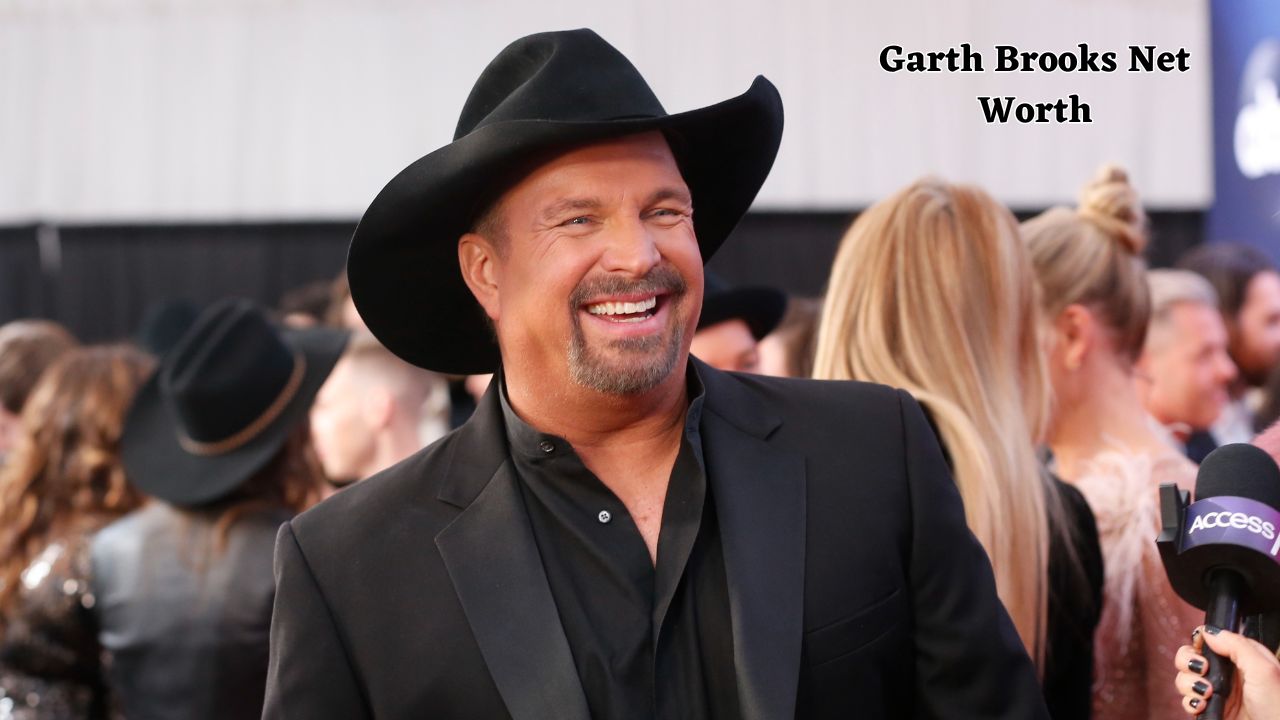
Yet, understanding Garth Brooks wealth requires looking far beyond standard artist royalty checks. Brooks did not amass his fortune simply by riding the wave of 1990s country commercialism; he built it through deliberate, cutthroat business acumen, an unprecedented live-touring philosophy, and fierce protection of his intellectual property.
The Breakdown: Estimating Garth Brooks' Net Worth
Most financial analysts and industry insiders evaluate Brooks' standalone net worth at roughly $350 million to $400 million. When combined with Trisha Yearwood—herself an accomplished singer, television host, author, and lifestyle entrepreneur with an estimated $100 million net worth—the couple's combined household empire comfortably approaches the half-billion-dollar mark.
His wealth streams can be categorized into four primary pillars:
- Recorded Music Sales: Massive historical physical album royalties.
- Live Touring Revenue: Groundbreaking stadium and arena tours built on high volume.
- Las Vegas Residencies: Highly lucrative, guaranteed-payout contracts.
- Commercial Assets & Real Estate: Entertainment venues, production footprints, and multi-state property holdings.
Record-Breaking Music Sales and RIAA Milestones
Brooks' rise during the early 1990s coincided with the absolute peak of the physical CD market. Unlike modern artists who rely on fractions of a cent per digital stream, Brooks moved unprecedented quantities of high-margin physical media.
To date, Brooks has sold over 157 million certified album units in the United States alone. That places him second only to The Beatles in total domestic album sales, outranking iconic acts like Elvis Presley, Led Zeppelin, and Michael Jackson. Brooks is the only artist in music history to achieve nine Diamond-certified albums (representing 10 million units sold each), including classics like No Fences, Ropin' the Wind, and The Hits.
During the apex of CD sales, major recording artists routinely negotiated royalties between $1.50 and $2.50 per unit sold. Given his stratospheric sales figures, his early recording career reliably generated tens of millions of dollars before touring guarantees and merchandise were even tallied.
Catalog Ownership: How Retaining Masters Built Garth Brooks Wealth
Perhaps the smartest financial decision Brooks ever made occurred during a contract renegotiation with his early label, Capitol Records. While most recording artists sign away their master recording rights in exchange for advances and marketing support, Brooks fought relentlessly to reclaim ownership of his masters.
Owning his masters meant that Brooks retained complete control over licensing, re-releases, boxed sets, and distribution channels. Instead of splitting profits with a corporate conglomerate, Brooks could license his catalog on his own terms or press physical copies through his own label, Pearl Records.
The Amazon Streaming Strategy
For decades, Brooks famously refused to make his catalog available on digital services like iTunes, arguing that digital stores forced artists to unbundle albums into individual singles, diminishing the thematic value of an LP. He resisted Spotify and Apple Music for similar revenue-distribution reasons.
In 2016, Brooks broke his digital embargo by signing an exclusive streaming distribution agreement with Amazon Music. While the exact financial terms remain undisclosed, industry insiders estimated the multi-year deal reached the tens of millions of dollars. The partnership allowed Brooks to introduce his music to modern streaming audiences on his own terms while maintaining his lucrative physical sales model.
The Touring Juggernaut: Volume Over High Prices

While most modern arena and stadium headliners monetize live performance through dynamic ticket pricing and sky-high VIP packages, Brooks flipped the model upside down. His live touring philosophy is grounded in affordability and saturation.
During his multi-year world tours and recent Stadium Tour, Brooks famously capped ticket prices—often around $75 to $85, inclusive of all taxes and fees—with no tiered pricing for standard seats. To offset the lower price point, he leaned entirely on massive volume:
- Multiple Nights in Single Markets: Instead of playing one night in a major city, Brooks routinely played five, six, or even eight shows in the same venue across a single week.
- Low Production Overhead per Show: By setting up his stage once and performing multiple consecutive dates, he dramatically slashed travel, logistics, and crew expenses.
- Merchandise Saturation: High ticket sales directly correlated to high-volume concessions and merchandise sales, where profit margins are exceptionally high.
The 2014–2017 Garth Brooks World Tour with Trisha Yearwood sold over 6.3 million tickets across roughly 390 shows, grossing upwards of $360 million. His subsequent Stadium Tour routinely drew crowds exceeding 70,000 to 80,000 attendees per city, making Brooks one of the most profitable touring musicians in history.
Las Vegas Residencies: Minimum Travel, Maximum Pay
Brooks transitioned into the lucrative Las Vegas residency market early. From 2009 to 2014, he performed an intimate acoustic residency, Garth at Wynn, at the Encore Theater. The residency offered him total schedule flexibility and guaranteed pay without the logistical fatigue of national tours.
In 2023, Brooks launched Garth Brooks/Plus ONE at The Colosseum at Caesars Palace. The high-demand, high-ticket residency consistently sold out within minutes of public sale, commanding multi-million-dollar guarantees that continue to fortify his passive earning power late into his career.
Real Estate and Business Ventures
Brooks has consistently channeled his entertainment earnings into tangible assets, particularly commercial developments and private land holdings across North America.
Nashville's Lower Broadway: Friends in Low Places
In early 2024, Brooks opened his multi-story entertainment complex, the Friends in Low Places Bar & Honky-Tonk, on Nashville's historic Lower Broadway. Prime commercial real estate along this strip commands tens of millions of dollars. The venue spans four floors and over 54,000 square feet, positioning Brooks directly alongside other successful celebrity-backed venues while capturing steady tourist revenue in music city.
Property Holdings
Brooks and Yearwood maintain a low-profile yet substantial real estate portfolio:
- Owasso, Oklahoma: Brooks previously spent years living on a private 400-acre estate in Oklahoma while raising his daughters during his semi-retirement from music.
- Goodlettsville, Tennessee: The couple resides primarily on an expansive, gated estate outside Nashville featuring custom recording facilities and private acreage.
- Malibu, California: Brooks and Yearwood historically maintained high-value coastal property in Southern California, which they later offloaded for sizable market gains.
The Financial Blueprint of a Country Giant
Garth Brooks' financial longevity serves as a masterclass in independent control. By refusing to follow conventional recording-contract structures, prioritizing ownership of his masters, and treating his fans as recurring high-volume customers rather than one-time premium buyers, he insulated his fortune from industry disruption.
With ongoing Las Vegas residency revenues, prime commercial real estate in Nashville, and an unassailable catalog that continues to generate royalties, Brooks remains one of the wealthiest and most commercially enduring figures in American music history.